
The Story
Why it exists.
The beginning
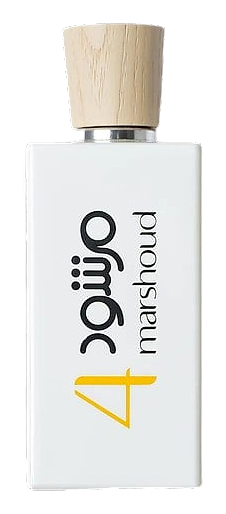
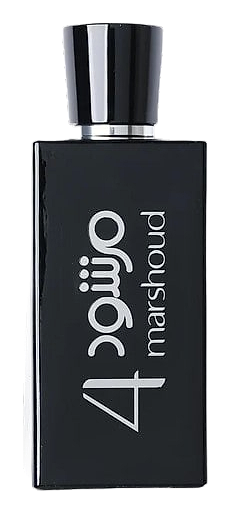
Marshoud 4 Black is Laura Vera's answer to a question she didn't need to ask: what happens when you don't overthink a classic? Rose, vanilla, white musk. Three notes that have anchored countless florals because they work. Vera's approach was to trust the combination and let each material do what it does naturally. The result is a fragrance that feels both intimate and polished, built for the person who knows exactly what they want from a scent and doesn't need it to shout.
What makes this composition interesting is the restraint. Rose often arrives loud and stays loud. Here, the vanilla rounds it out, adding creaminess that softens the petals without drowning them. The white musk doesn't add complexity so much as it adds presence, a quiet persistence that makes the whole thing linger longer than expected. It's the kind of structure that works on skin because it doesn't try to work too hard.
The evolution
The opening announces rose clearly, without preamble. Within minutes, the vanilla arrives, warm, almost edible, but restrained enough to stay elegant. The white musk settles beneath both, creating a powdery softness that builds as the top notes fade. By the mid-drydown, the rose has quieted and the vanilla-musks blend takes over, close to the skin and intimate. On fabric, it can last into the next day as a faint, sweet warmth.
Cultural impact
The Gulf fragrance market has long been defined by oud and amber, but compositions like Marshoud 4 Black signal a quiet shift in regional taste. Atyab Al Marshoud, founded in 1925 in Kuwait, stands as the Gulf's first perfume house, nearly a century of family ownership shaping how they approach modern compositions. Their Marshoud 4 Black bridges regional heritage with international appeal, using rose-vanilla-musk instead of traditional Gulf accords. This approach reflects how Middle Eastern houses are adapting to younger consumers who want globally recognizable notes without sacrificing elegance.