
The Story
Why it exists.
The beginning
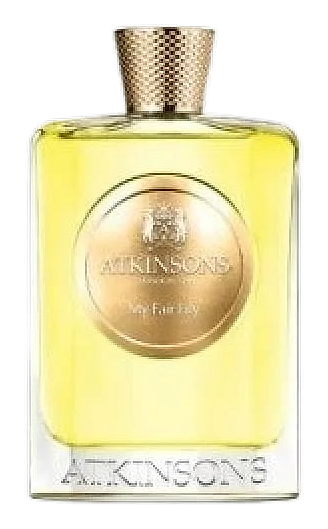
Atkinsons has been British fragrance royalty since 1799. Royal appointments, bear mascots, the whole story. When the house relaunched in 2013, it brought that eccentric heritage into the modern era, not by softening it, but by trusting it. My Fair Lily is what happens when a house with that kind of history takes on the lily. It doesn't play it safe. The name alone carries that Shakespearean wit, that British sense of humor about beauty and transformation. But the fragrance itself is the statement. Casablanca lily is a bold choice. It's not the demure muguet of a thousand spring florals. It's large, dramatic, with heavy petals and a scent that fills a room. Atkinsons put it at the center of the composition and let it be exactly what it is, not a metaphor, not a whisper, but the thing itself.
What makes My Fair Lily work is that Atkinsons used the real thing. Most fragrances built around lily lean on synthetic approximations, chemicals that smell like the idea of lily without the weight. The Casablanca lily is an actual flower with actual presence. That distinction matters. The heart of this fragrance is a material that has genuine amplitude, and the house built the rest of the composition around honoring it rather than containing it. The vetiver and patchouli in the base serve a specific purpose. They ground the sweetness before it becomes cloying. They keep the lily from floating away into something airless and one-dimensional.
The evolution
The opening is a study in cool. Chamomile, rhubarb, and aquatic notes arrive together in a kind of green hush, the smell of a garden in the hour before the clouds break. The rhubarb adds a tartness that cuts through any sweetness before it has a chance to settle. This is the cool part. It lasts for a while. Then the Casablanca lily announces itself. Not gradually. It takes over. For the next few hours, this is a white floral with real conviction, creamy, slightly indolic, the kind of lily that makes you notice it's there. The aquatic notes in the top accord shift into something more like moisture on petals. The green from the opening doesn't disappear entirely, but it recedes. The drydown is where vetiver and patchouli earn their place. They ground the sweetness before it becomes cloying. They keep the lily from floating away into something airless and one-dimensional. The result is a fragrance that feels composed rather than concentrated, present without overwhelming, lasting without trying too hard.
Cultural impact
My Fair Lily sits in a curious position in the white floral landscape. The lily accord is unusual enough to feel distinctive in a category crowded with rose, jasmine, and muguet, yet the cool, green, aquatic framing keeps it from the overtly romantic register that puts some wearers off traditional florals. The chamomile in the opening is the divisive element, herbal and slightly bitter, it reads as medicinal to some noses and refreshingly cool to others. Among those who seek it out, the fragrance has built a reputation as a lily that actually smells like a lily, which sounds simple but is rarer than it should be.