
The Story
Why it exists.
The beginning
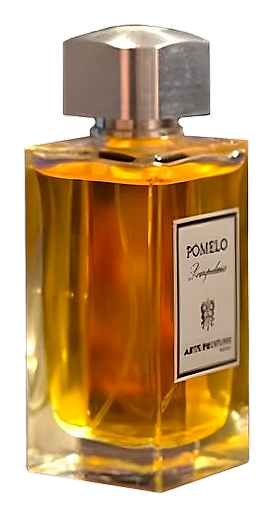
Arte Profumi named this fragrance after the pomelo, a citrus fruit with an unmistakable character that sets the tone for everything the juice and zest bring to skin. The name signals exactly what the founders were after: something botanical and specific, not a generic bright splash. That choice places the fruit itself at the center, and the orange blossom trees often pictured growing around pomelo groves become part of the story the fragrance tells. The word itself carries weight, a direct nod to the fruit as it's been known and eaten in Southeast Asian markets for centuries. Pomelo doesn't try to dazzle.
What makes Pomelo structurally interesting is the lack of a traditional base. There is no listed vetiver, no sandalwood, no amber anchoring the composition. Instead, the moss accord and green notes do double duty as both foundation and texture, giving the white florals something mossy to lean against rather than something woody. The animalic main accord, unusual for something this citrus-forward, comes from the combination of indolic orange blossom and that slightly dirty green-orange note. Most citrus fragrances lean clean and synthetic. Pomelo lets the fruit breathe next to something alive.
The evolution
The opening belongs almost entirely to grapefruit, sharp and pithy, with green-orange threading through like the smell of peeling zest with your fingers. Orange blossom arrives soon after, soft and indolic, slightly soapy in the way neroli-adjacent florals can be. The white blossoms broaden the heart into something warmer, less aggressive, and the transition feels organic, as if the florals were always waiting just behind the citrus. As the grapefruit recedes over the first stretch of wear, the green notes become the spine of the composition, pulling the florals down into something earthy and almost humid. The greenery isn't a single identifiable plant but rather a collective impression of crushed stems and leafy coolness that grounds the sweeter elements.
Cultural impact
Pomelo wears like a personal scent rather than a public one, the kind of fragrance that reads as an extension of the person rather than a statement aimed outward. It doesn't announce itself across a room, and it doesn't need to. The people who reach for it tend to be the ones who want their fragrance to feel like a good version of their own skin, warmer and more considered, rather than a costume they put on for the day. There's an ease to it that suits casual settings and warm afternoons, and it carries the kind of natural indolic edge that comes from real orange blossom rather than a sanitized reconstruction.