The Story
Why it exists.
The beginning
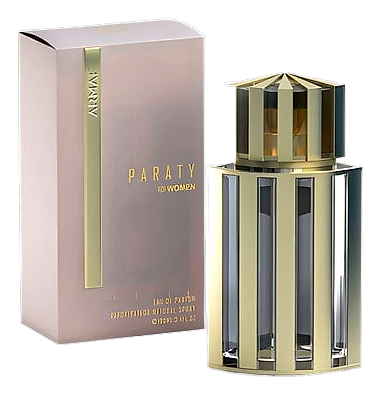
Armaf has always operated on a simple conviction: luxury is a feeling, not a price tag. Paraty Women emerged from that philosophy, an oriental floral built for someone who wants tropical richness without the tropical price. The name itself suggests somewhere warm, a coastal energy that the composition wears honestly. It's gardenia and jasmine given room to breathe, without the dilution that often comes from mass-market positioning.
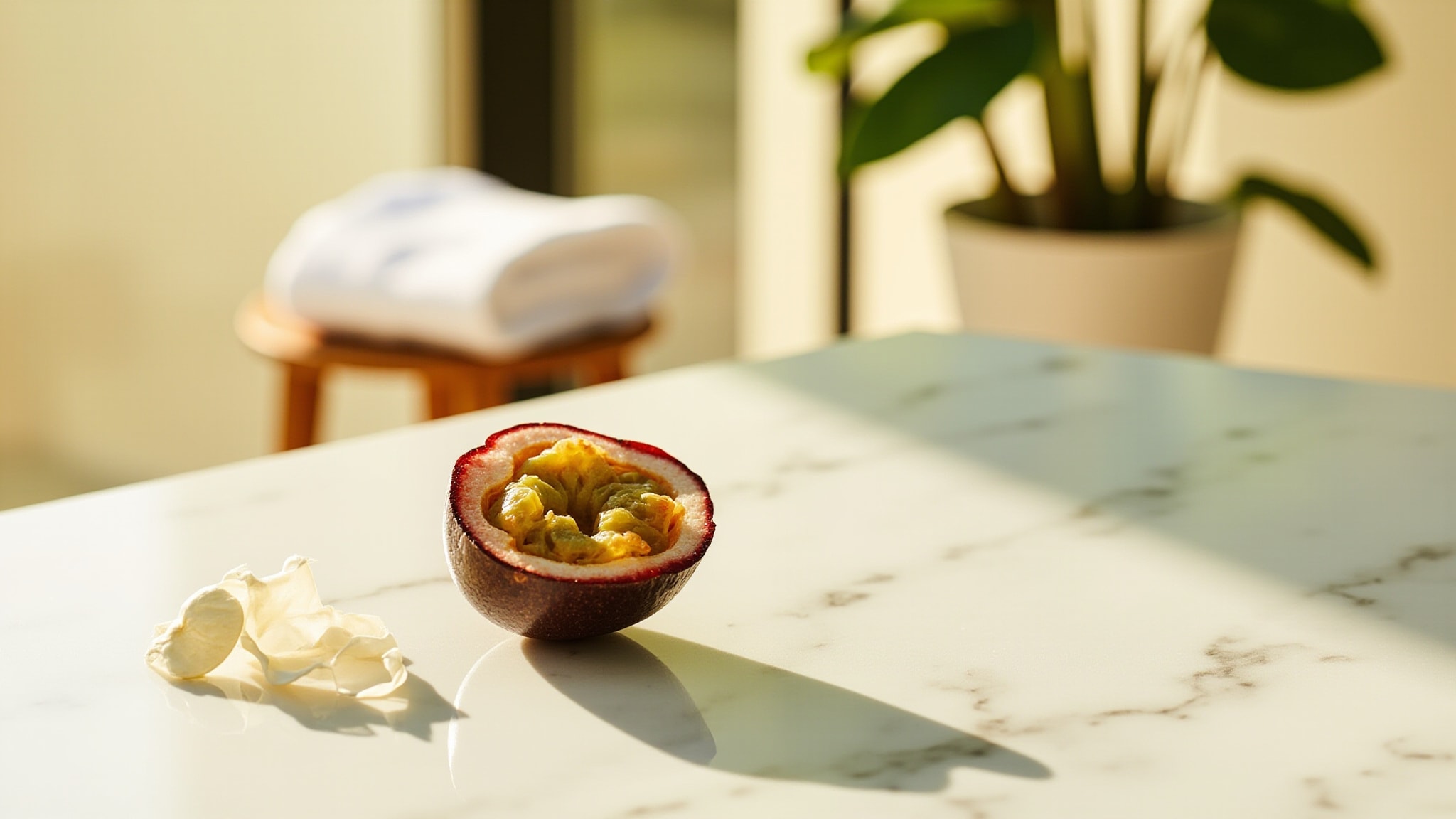
What makes Paraty Women interesting is its structural tension: tropical fruit opening giving way to creamy white florals, then grounded by sandalwood and tonka bean. The passion fruit doesn't linger, it's the spark that ignites, then steps aside for the real show. Tuberose gets space here, not buried under a wall of patchouli or overpowered by citrus. For a house known for its bold, assertive fragrances, this one breathes differently, generous rather than aggressive, expressive rather than projecting.
The evolution
The opening arrives quickly, passion fruit's tropical tartness cuts through, bright and slightly acidic. Within minutes the gardenia and jasmine take over, the tuberose asserting itself as the dominant voice. The heart phase is where this fragrance earns its reputation: creamy, heady, almost sensual in its floral density. Then the drydown settles into warm sandalwood and tonka bean, the vanilla emerging softly as the florals begin to recede. By hour six, it's skin-close and intimate, a warm whisper rather than a statement. On fabric, expect it to last longer, up to twelve hours on clothing, a pleasant surprise for an EDP at this price point.
Cultural impact
Paraty Women arrived during a pivotal shift in the affordable luxury fragrance market, when consumers began demanding higher-quality compositions at accessible price points. As part of Armaf's strategic expansion following their 2015 international breakthrough with Club de Nuit Intense Man, this scent represented the brand's commitment to capturing the tropical-floral segment previously dominated by premium houses. The fragrance democratized the passion fruit and white floral combination that had previously appeared only in niche and high-end releases, making an exotic olfactory experience available to a broader audience. Its moderate sillage and professional versatility set a precedent for workplace-appropriate tropical scents in the under-$30 category.