The Story
Why it exists.
The beginning
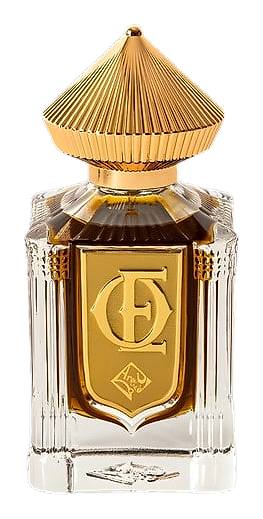
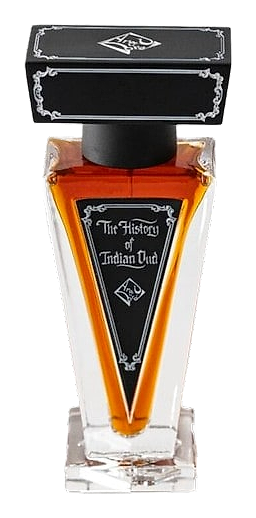
The History of Indian Oud arrived in 2023 as part of Areej Le Doré's 'History of Oud' collection. Russian Adam, whose name is attached to the house and who is credited as the fragrance's nose, built the composition around a note list that places Indian oud and Manipur oud at its center. Each of those woods carries a regional identity that any oud lover can pick out from across a room, and the fragrance sets them side by side rather than tucking one behind the other. The Manipur component is where the composition earns its edge. Oud from that region of northeastern India carries a sharper, more animalic profile than many Southeast Asian distillates. It doesn't get tamed through polite blending. It gets paired.
What makes this release interesting isn't the oud itself. It's the way the Manipur has been handled. Instead of diluting its rougher edges into a more accessible profile, the composition puts both woods front and center and lets the conversation between them carry the fragrance. There's no smoothing layer, no obvious bridge note working overtime to soften the animalic edges of the Manipur into something palatable for a general audience. The pairing does the heavy lifting, and the wearer decides how loud each voice gets.
The evolution
The opening is confrontational, the kind of entry that makes itself known before you've even lifted your wrist to your nose. A sharp, animalic edge hits first, immediate and unapologetic, carrying the barnyard-adjacent character that traditional Hindi oud is known for. For anyone unfamiliar with uncut oud, this phase can feel like a warning label come to life. The Manipur note at the front carries that sharp, almost fecal quality that's sometimes described as cheesy or barnyard-like in traditional oud terminology, and nothing about the opening tries to soften the introduction. It's a handshake that comes with a grip test. As the first phase passes, the composition begins to find its footing. The sharpness doesn't disappear so much as it gets leavened by something deeper.
Cultural impact
This sits firmly in the territory of serious oud appreciation, where the Hindi profile, the one traditional collectors associate with barnyard, leather, and unapologetic animalic character, is treated as a feature rather than a flaw. The composition doesn't sand down those qualities for accessibility. It puts them in the room and leaves them there. For anyone who has spent time in the traditional oud community, that honesty reads as a kind of respect for the material. The fragrance behaves like something assembled by someone who knows what uncut agarwood is supposed to smell like and doesn't see that as a problem to solve.
The House
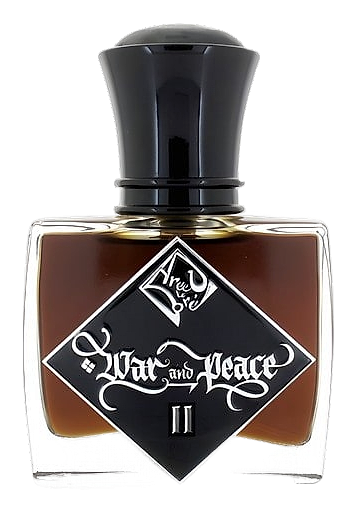
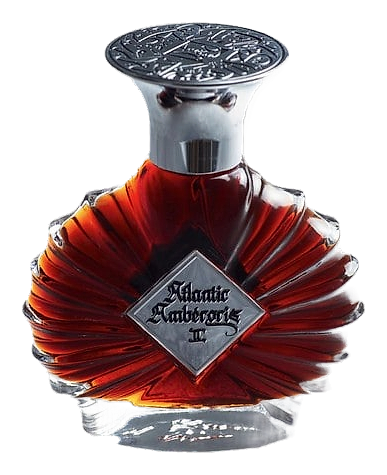
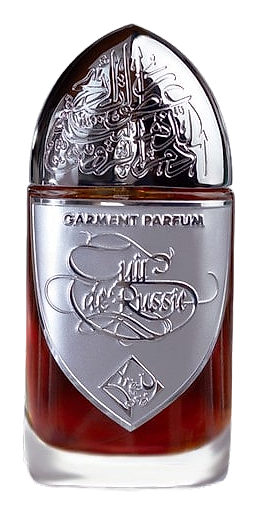
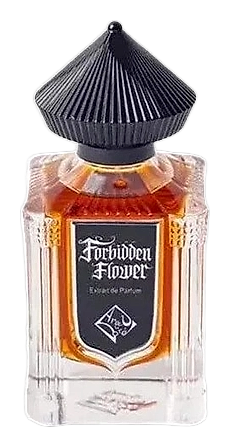
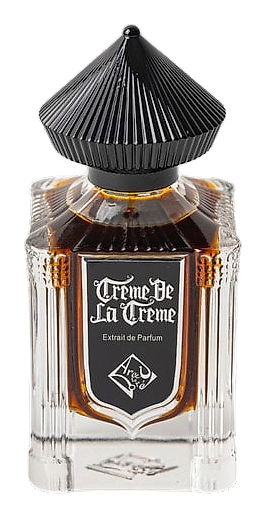
Areej Le DoréAreej Le Doré is an artisanal perfume house that concentrates on pure oud and sandalwood essences. Founded by the distiller known as Russian Adam, the brand offers a line of attars that emphasize natural raw materials and meticulous extraction. Its catalogue includes limited‑edition releases such as War and Peace III Attar (2025) and Ottoman Empire III (2021), each presented in a restrained bottle that lets the scent speak for itself. The house operates out of Indonesia but sources ingredients from across Southeast Asia and the Russian taiga, positioning the brand as a bridge between traditional raw‑material craftsmanship and contemporary niche fragrance culture.
The Creator
Russian AdamAdam favors raw, unrefined materials. He often starts with a base of hand‑distilled oud, then layers spices such as black pepper, saffron, or cardamom to add heat.