
The Story
Why it exists.
The beginning
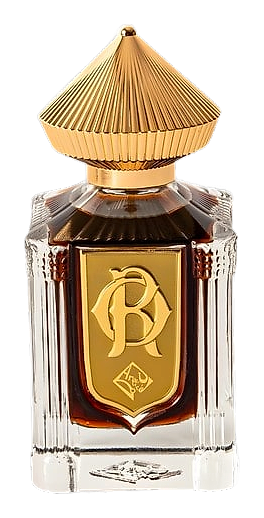
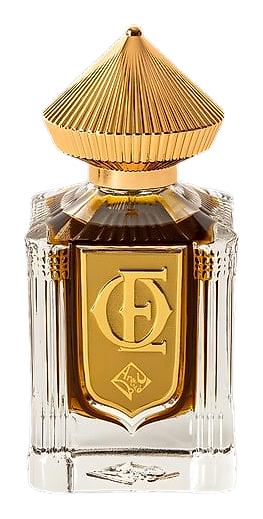
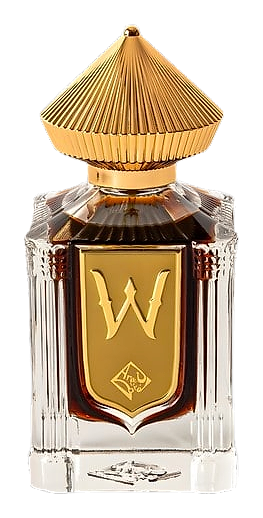
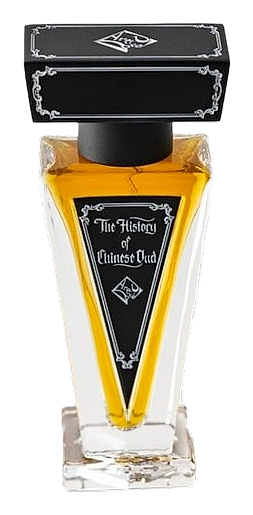
The History of Chinese Oud arrived in 2023 as a focused examination of Chinese agarwood oil aged nineteen years before bottling. Chinese agarwood carries a reputation as one of the rarer sources of this material, and the aged oil at the heart of this composition brings a depth that only time can coax from resinous wood. The fragrance strips away the usual softening touches, presenting the agarwood in a form that feels closer to the raw material than to a blended composition. There's nothing mediating between the oil and the wearer, no citrus brightening, no florals rounding the edges, just the dense, leathery weight of wood that has spent nearly two decades settling into itself.
Chinese oud sits apart from the more familiar varieties most wearers encounter, carrying a colder, smokier profile with sharper animalic edges that set it apart in any lineup. Aging the oil for nineteen years doesn't diminish that intensity so much as transform it, folding the sharper facets into something denser and more contemplative. The oil deepens, the resinous sweetness rounds, and the barny undertones become richer without losing their essential bite.
The evolution
The opening hits before the bottle cap is fully off, a dense cloud of smoke and something unmistakably alive, leathery and faintly fecal in the way only real aged agarwood can be. Within fifteen minutes, the smoke settles and the resin architecture becomes visible: thick, almost tar-like, with a dark sweetness underneath that reads more like burnt sugar than anything floral. The animalic edge softens gradually as the hours pass, moving from confrontational barnyard musk into something warmer and closer to skin. The middle hours are where the wood itself emerges, dry and meditative, with a faint medicinal coolness suggesting camphor without ever naming it. What remains on skin hours later is a close, woody warmth, still recognizably oud but stripped to its bones. On fabric the next morning, the resin lingers longer, darker, more like the smell of old church wood than any living tree.
Cultural impact
The History of Chinese Oud occupies a specific place in the world of agarwood-focused perfumery, where single-origin oils are given room to speak for themselves. Rather than blending the oud into a softer, more accessible composition, the fragrance lets the raw material carry the full weight of the scent, smoky, leathery, and dense from the first spray. It's not designed to ease a newcomer into the genre, nor does it soften the material's more challenging edges for broader appeal.