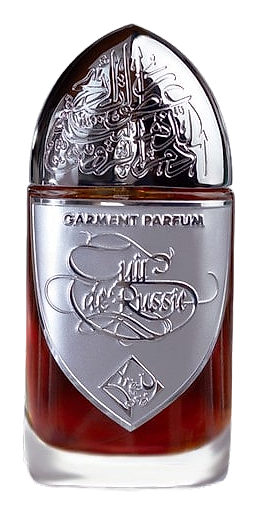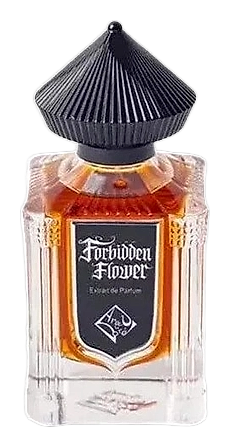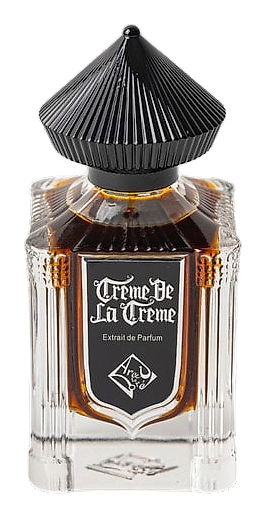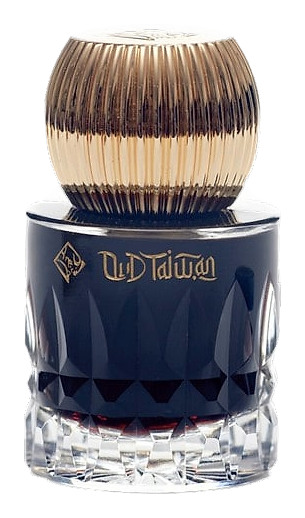
The Story
Why it exists.
The beginning
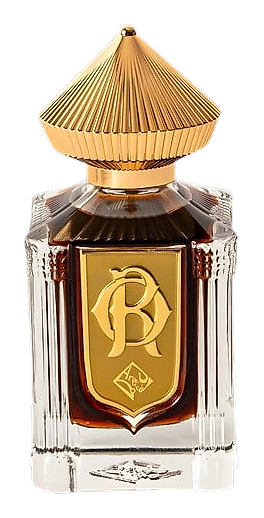
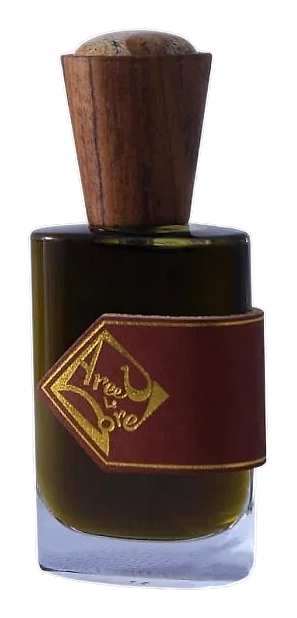
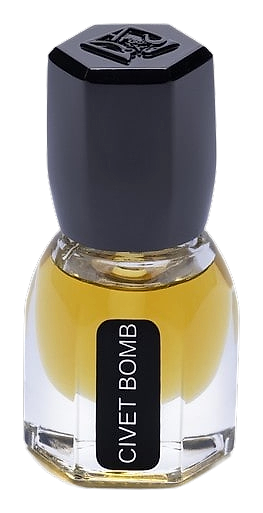
Civet Bomb arrived in 2022 from Russian Adam, the perfumer behind Areej Le Doré. Its name points straight to the material that makes the composition impossible to ignore: civet, rendered here as Ethiopian civet rather than a generic animalic effect. The idea is compact and deliberate. Rose water brings a polished floral register, while Mysore sandalwood supplies the creamy, woody structure underneath. Nothing about the fragrance is trying to be polite. It sits in the tension between cultivated sandalwood and the darker, more instinctive character of civet.
That pairing is what gives Civet Bomb its peculiar charge. Mysore sandalwood makes the center feel creamy and close to skin, giving the composition a soft, almost powdered surface. Ethiopian civet cuts through that comfort with its unmistakable animalic warmth. Rose water keeps the contrast from becoming blunt. It behaves less like a bouquet and more like a polished surface with a wild pulse underneath, a study in texture, temperature, and controlled provocation.
The evolution
The opening begins with the idea of rose water and civet meeting before the composition has settled into a single identity. That first impression can feel cool, clean, and almost polished, with the rose providing a bright, watery edge. As the scent develops, the sandalwood gains weight. Its creamy woodiness softens the sharper animalic quality, creating a powdery contrast that feels almost tactile, like smooth fabric warmed by a hand. In the later hours, civet remains the most distinctive thread. It does not disappear politely; it gives the drydown a smoky, intimate depth. What lingers is the memory of rose water over warm sandalwood, with civet providing the edge that keeps the whole thing from becoming polite. On fabric, the effect stays close and textured, a compact trail rather than a loud one.
Cultural impact
Civet Bomb invites attention to the materials that shape its character: the depth of oud, the warmth of sandalwood, and the textured presence of civet. Their interaction creates a composition that feels polished yet primal, balancing composed elegance with instinct. As the fragrance wears, the woody notes provide a steady foundation while the civet accent remains distinctive, encouraging repeated exploration of how each layer settles, shifts, and reveals its character over time.
The House
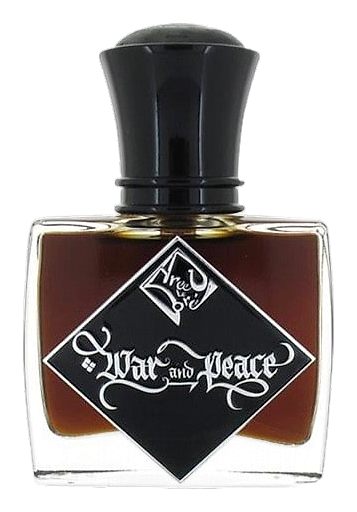
Areej Le DoréAreej Le Doré is an artisanal perfume house that concentrates on pure oud and sandalwood essences. Founded by the distiller known as Russian Adam, the brand offers a line of attars that emphasize natural raw materials and meticulous extraction. Its catalogue includes limited‑edition releases such as War and Peace III Attar (2025) and Ottoman Empire III (2021), each presented in a restrained bottle that lets the scent speak for itself. The house operates out of Indonesia but sources ingredients from across Southeast Asia and the Russian taiga, positioning the brand as a bridge between traditional raw‑material craftsmanship and contemporary niche fragrance culture.
The Creator
Russian AdamAdam favors raw, unrefined materials. He often starts with a base of hand‑distilled oud, then layers spices such as black pepper, saffron, or cardamom to add heat.