The Story
Why it exists.
The beginning
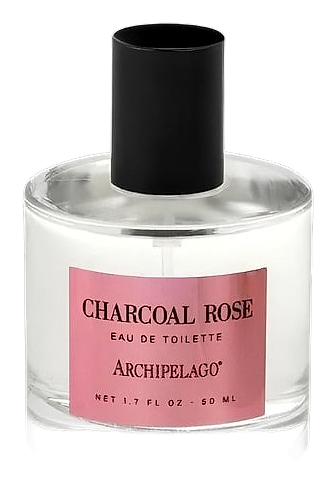
Charcoal Rose reads like a deliberate study in contrast, a floral composition that refuses to stay in the expected lanes of the rose category. At its core, the fragrance pairs the lush softness of fresh rose with the dry, mineral edge of charcoal, and neither element overwhelms the other. It's a wearable composition, the kind of scent that says something without raising its voice, and the balance between organic floral and burnt, ashy mineral is what gives it its particular character. Archipelago's approach stays consistent across their line, and this one pushes that philosophy into more atmospheric territory.
What makes this composition stand out is the way it pairs recognizable florals with notes that pull the entire structure in an unexpected direction. Rose, geranium, peony, and clary sage form a traditional floral-herbal heart, but charcoal and coal notes drag the whole thing into territory most rose fragrances never visit. The patchouli underneath adds an earthy depth that keeps the rose from reading as pretty or clean, while white musk smooths the edges. The accord profile, aromatic, mineral, soft spicy, woody, smoky, tells you this isn't a spring garden.
The evolution
The first minutes are almost confrontational: coal and charred wood, sharp and slightly bitter, the way a match head smells just after striking. Underneath that, clary sage and geranium leaf push through with a green, herbal coolness, like brushing against herb beds in the cool part of the evening. The mandarin orange is subtle here, a flicker of brightness that keeps the opening from feeling entirely mineral. Within the first half hour, the smoke settles and the rose arrives, but not the sweet, dewy rose of a typical floral. This rose is darker, wrapped in charcoal dust, with a peppery edge from the geranium that makes it feel more like a dried botanical than a fresh-cut stem. Peony adds a soft fullness without tipping into powder.
Cultural impact
Charcoal Rose is one of those compositions that earns attention simply by doing something the rest of the rose category tends to avoid. Rather than building on the polished, honeyed florals that dominate mainstream launches, it introduces coal and charcoal notes into the heart of a rose-forward scent, and that choice alone sets it apart from most of what surrounds it on the shelf. The mineral-smoke direction gives the fragrance a distinctive identity, the kind of profile that registers as unusual even to wearers who haven't been actively seeking out smoky florals.