
The Story
Why it exists.
The beginning
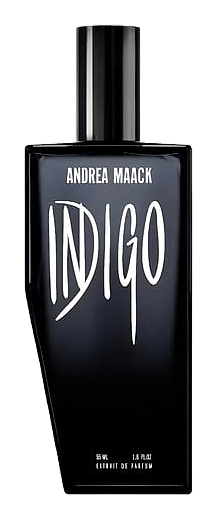
Spyros Drosopoulos built Indigo from a neuroscientist's question: what does a scent have to do with memory? The answer, for him, was a kind of spiritual cleanse. Picture a rooftop maisonette overlooking a city skyline on a late summer afternoon. Sunlight cascading through large windows. Alone, tranquil, detached from the noise below. That's the moment this fragrance reaches for. Not escape as a concept, but the specific feeling of finding it.
The Greek mastic from Chios is the structural anchor here. It's the note that makes Indigo what it is, not just another woody fragrance, but something with a very particular geographic identity. Mastic tastes like resin, smells like a Mediterranean forest at dawn: coniferous, green, dewy. Paired with Omani frankincense, it creates a specific tension. The smoke stays clean. The resin stays meditative, not heavy. Sandalwood provides warmth in the base, but mastic is what makes this Greek rather than generic.
The evolution
Mastic asserts itself immediately. That beautiful earthy, smoky pine of a Mediterranean forest at dawn. The coniferous quality rises clean and bright, hyacinth threading through with subtle vegetal undertones. As it settles, the rose barely registers, more breath than presence. Frankincense and oud take over in the heart, layering clean smoke over resinous depth. The drydown brings sandalwood and amber into focus, creating a woody warmth that anchors the entire composition and extends through an 8-10 hour day.
Cultural impact
Indigo stands as a defining work within the Greek niche fragrance movement, helping to establish the island of Chios and its mastic resin as a legitimate aromatic territory in perfumery. When launched in 2015, it arrived alongside Chai as Baruti's second fragrance, establishing a Mediterranean identity that distinguished the brand from other niche houses. The fragrance captures a specific moment in the evolution of indie perfumery when perfumers began exploring regional botanicals and traditional materials as alternatives to conventional Western perfume compositions. Spyros Drosopoulos, with his background in neuroscience, brought an analytical rigor to the craft that resonated with a growing audience interested in understanding fragrance construction.