







Heritage
A house, in its own words
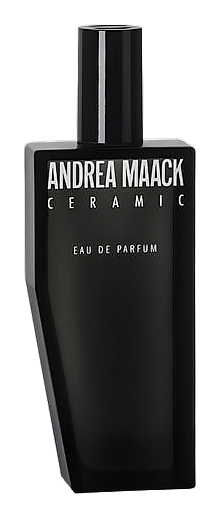
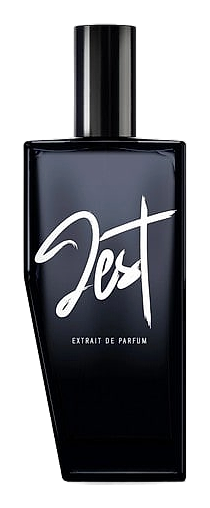
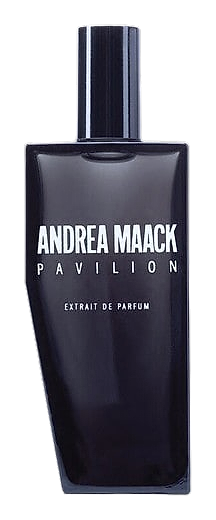
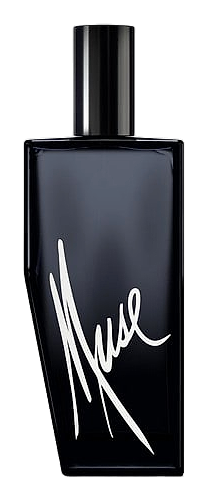
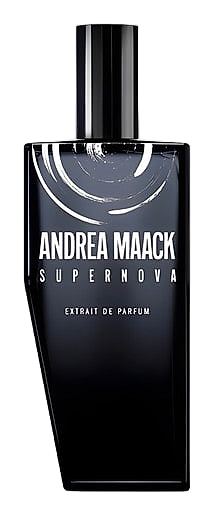
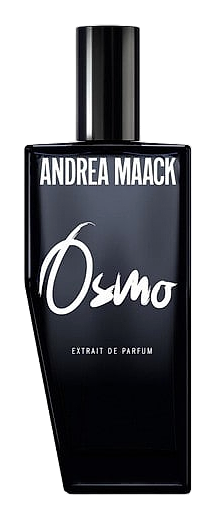
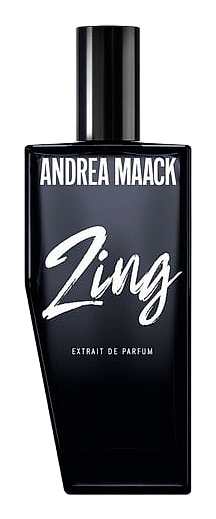
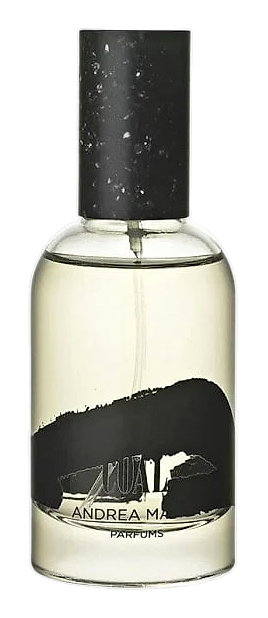
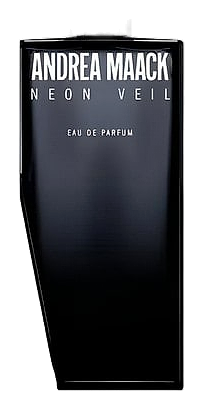
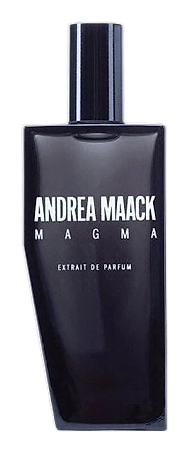
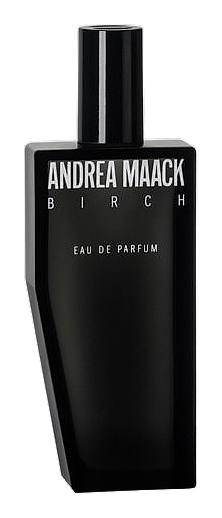
Andrea Maack began her career as a visual artist, exhibiting installations that explored light, texture and space. In 2009 she turned a gallery piece into a scented object, launching the first Andrea Maack perfume as an art work rather than a commercial product. Early press noted the unconventional debut, describing the scent as a bridge between the visual and the aromatic. The brand remained rooted in Reykjavík, using the city’s creative community as a laboratory for new ideas. In 2012 the house released Coal, a dark, mineral‑rich fragrance that referenced volcanic ash and quickly became a reference point for the label’s willingness to explore raw, elemental materials. Soft Tension followed in 2016, pairing airy florals with a subtle metallic edge, while Dual the same year introduced a dual‑layered structure that could be experienced in two distinct phases. Coven arrived in 2017, inspired by Icelandic folklore and featuring smoky resins that evoked ancient rites. Lightsource (2020) and Ceramic (2021) marked a shift toward brighter, more luminous compositions, each presented in clear glass bottles that highlighted the perfume’s transparency. Recent releases such as Zing (2024), Jest (2024), Neon Veil (2025) and Muse (2025) demonstrate a continued dialogue between experimental form and accessible wearability. Throughout its evolution the house has kept production small, collaborating with independent labs and sourcing ingredients from both local Nordic farms and established Mediterranean growers. The brand’s history reflects a steady expansion from a single artistic experiment to a recognized niche label that maintains a strong commitment to the original concept of scent as an artistic medium. The core of Andrea Maack’s philosophy is the belief that fragrance can function as a visual material, capable of shaping space as readily as paint or sculpture. Andrea Maack describes her work as an attempt to translate the tactile qualities of Icelandic terrain—glacial light, volcanic rock, wind‑carved basalt—into olfactory form. The house prioritises authenticity over trend, selecting raw ingredients that carry a clear provenance and allowing their natural character to guide the composition. Sustainability is approached pragmatically; the brand prefers suppliers who practice responsible harvesting and who can provide traceable documentation. Each perfume is conceived as a limited‑edition object, encouraging collectors to treat the bottle as a piece of art rather than a disposable commodity. The label also values the personal narrative that emerges when a scent is experienced, encouraging wearers to interpret the fragrance in relation to their own memories and surroundings. This user‑centered perspective aligns with the broader Scandinavian design ethos of function, clarity and quiet elegance.