The Story
Why it exists.
The beginning
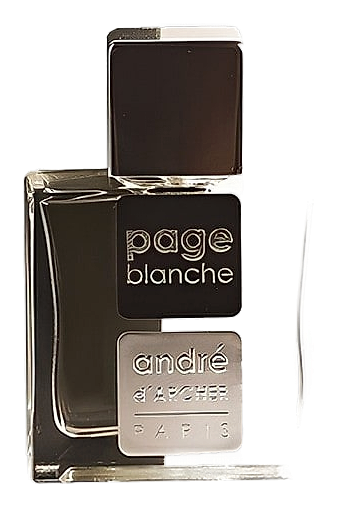
Page Blanche arrived in 2012 from André d'Archer, the perfumer credited with composing the fragrance. Its title is suggestive of something unfinished and open, and the note list carries that character: bergamot, fig, grapefruit, lemon, and orange sit at the centre of the composition, with mandarin orange and further accords broadening the palette beyond a single citrus idea. There is little public record of the brief behind it, so the clearest expression of its intent comes from the title and the scent itself. Page Blanche reads like a first line, uncomplicated and open, with citrus brightness in front and fruit giving the composition a quietly tactile centre.
What makes Page Blanche interesting is the overlap between its citrus and fruit notes. Bergamot, lemon, and orange establish a familiar citrus register, while grapefruit adds another citrus dimension to that same family of notes. Fig then introduces something different altogether, moving the composition away from citrus alone and into a fruit accord with its own weight and texture. Mandarin orange appears among the listed notes as well, and the broader accords add sweet, spicy, and aromatic character to the overall structure.
The evolution
The first impression is all clipped brightness: bergamot, lemon, grapefruit, and orange arrive together, with the energy of citrus peel under bright light. Mandarin orange and fig sit within that framework, the latter giving the composition a creamy fruitiness that feels less sparkling and more tactile. As the fragrance settles, the citrus and fruit material continues to register, while the sweet, spicy, and aromatic accords add depth to the overall effect. What remains is a composition that stays recognizably fresh, with enough fruit and spice to keep the citrus from feeling like a simple splash of cologne.
Cultural impact
Page Blanche sits within the citrus-and-fruit tradition that occupies a familiar place in fragrance culture. Its note list combines several kinds of citrus with fig and mandarin orange, then broadens the composition with sweet, spicy, and aromatic accords. That balance gives the fragrance an identity that reaches past a single-note citrus profile, and makes it worth approaching for anyone who enjoys citrus fragrances with additional fruit and spice depth to explore.
The House
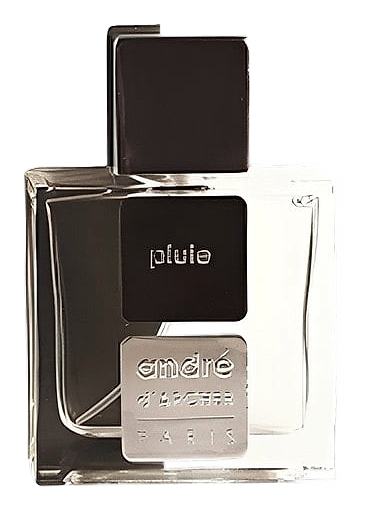
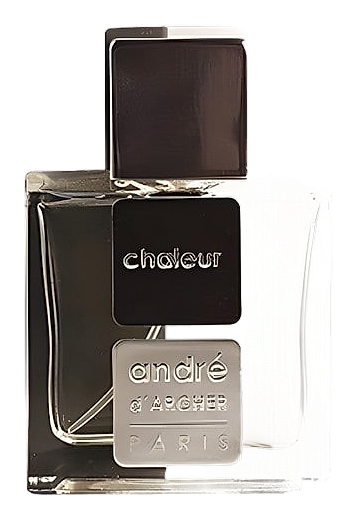
Andre d'ArcherAndré d'Archer is a fragrance name attached to a compact collection of three perfumes: Pluie, Chaleur, and Page Blanche. All three appear in independent fragrance databases with 2012 launch dates, presenting a small, tightly defined release rather than a broad catalogue. The names point toward a clear conceptual thread. Pluie suggests rain, Chaleur evokes heat, and Page Blanche recalls a blank page, giving the range a mood driven by atmosphere and imagery. Fragrance listings credit André d'Archer himself as the nose behind each composition. There is little publicly available information about the house, its founder, or its production methods, so its character emerges through the titles, the shared launch year, and the interpretive language they invite. It is a discreet name in fragrance, documented by specialist catalogues but not surrounded by the kind of public narrative that usually accompanies larger perfume houses.
The Creator
Andre d'ArcherThe house style centers on leather rendered with depth and warmth, often described as creamy and boozy rather than sharply animalic. That approach favors supple suede tones, rich woods, and rounded spice, building a base that feels lived-in from the first hours of wear.