The Story
Why it exists.
The beginning
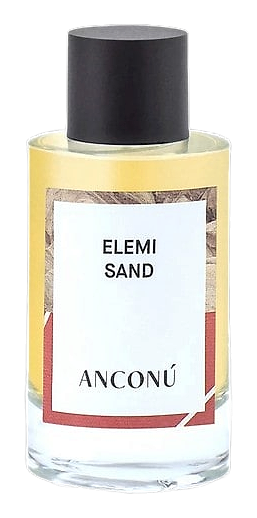
Elemi Sand carries the quiet authority of a single descriptor doing heavy lifting. The name itself does the work, pairing a recognizable resin note with a tactile suggestion of terrain, and the composition follows suit: amber, incense, myrrh, cinnamon and frankincense sit at the center, each one weighted, dry and slightly mineral. Warm spice opens with a low, immediate heat, the cinnamon reading more smoldering than sweet. As the first minutes pass, the resins take over, and incense lifts the scent into something smoky and grounded at once. There is no bright citrus to cut through, no floral to sweeten the edges, and the absence makes the texture feel closer to something you could almost hold.
The interesting part is how the materials divide the work. Cinnamon supplies a clear, edible heat. Incense and frankincense add dry smoke and structure. Myrrh deepens the composition with a bitter, medicinal edge, while amber turns everything warmer and more skin-like. Nothing here behaves like a simple sweet amber, because the resins keep pulling the scent toward ash, spice and mineral heat. That tension gives Elemi Sand its character: familiar enough to wear, distinctive enough to notice.
The evolution
The fragrance begins with a warm, spiced impression, as though cinnamon has been lit beside a dark piece of incense. That initial heat gives way to a resinous middle, where myrrh and frankincense make the air feel drier and more ceremonial. Amber remains the anchor, turning the sharper edges into something softer without losing their smoky outline. On skin, the composition settles into a close, warm trail rather than a loud one. As the hours pass, the spice recedes and the resins linger, leaving a balsamic, ambered trace that still feels present several hours later. It is the kind of scent that looks more convincing as evening settles in, when the drydown becomes less about announcing itself and more about leaving a lasting impression.
Cultural impact
Elemi Sand earns its place among incense-and-amber compositions by keeping the profile stripped down and elemental. The opening is warm spice lifted by cinnamon, dry rather than sweet, and it reads almost like embers at the edge of a fire. Incense soon folds in, bringing smoke without sharpness, the way a church or a quiet temple might settle across a room. As the hours pass, myrrh cools the blend just slightly, and frankincense adds a resinous, almost architectural depth. The amber base is steady rather than sweet, a low hum of warmth that stays close to the skin through the drydown.