Heritage
A house, in its own words
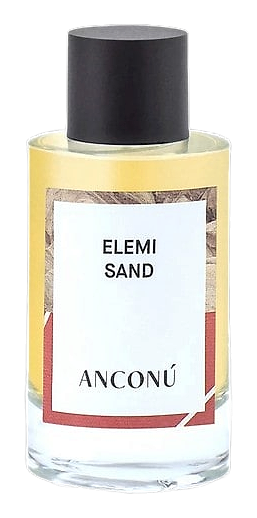
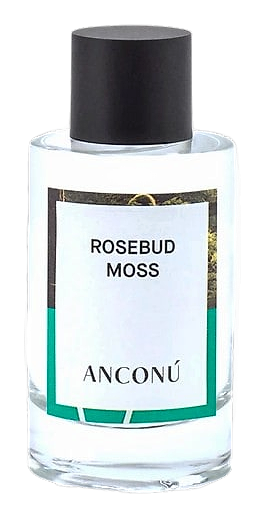
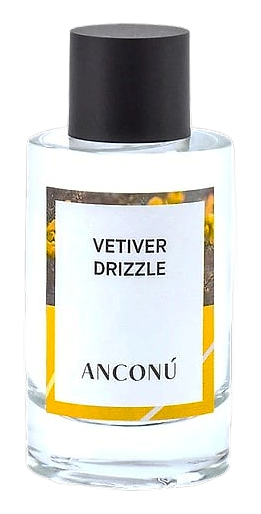
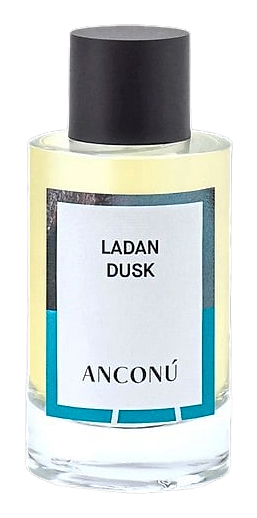
Anconú's history is recent, but its outlook draws together two places with a direct personal connection to Giménez. Independent fragrance coverage identifies her as Venezuelan and notes that she lives between Venezuela and Spain. That geographic link informs a brand story rooted in movement between cultures rather than a documented lineage of old perfume houses. The earliest firmly dated milestone in the available record is the release of four fragrances in 2021: Vetiver Drizzle, Rosebud Moss, Elemi Sand and Ladan Dusk. This collection established the vocabulary that still defines Anconú. Each title combines an ingredient-led reference with a visual or atmospheric detail, such as moss, sand, rain or dusk. There is no widely documented founding date, named perfumer or long production history to place before that launch, so Anconú is better understood through its working identity rather than through inherited tradition. Giménez's role as founder and designer provides continuity, while the four debut scents form a compact introduction to the house. Later discovery-set listings, including references to Vetiver Drizzle and Ladan Dusk, show how the original range has been presented to newcomers. The available sources do not confirm later release dates or further milestones, making 2021 the clearest established point in the brand's timeline. Anconú approaches perfumery through the expressive potential of materials and the images attached to them. Vetiver Drizzle, Rosebud Moss, Elemi Sand and Ladan Dusk are not neutral product names. They suggest damp earth, petals, mineral warmth and resin-rich evening light, allowing a fragrance to be imagined before it is worn. That naming pattern gives the house a recognizable editorial perspective, one that treats scent as an encounter with place and atmosphere. The collection's small scale also supports this approach. Rather than relying on a large catalogue or an elaborate public narrative, Anconú has built recognition around a focused group of compositions. Independent coverage notes that Giménez designed the brand and that she maintains connections to both Venezuela and Spain. The house's character can therefore be read as personal and cross-cultural, although the sources do not provide enough evidence to assign a formal creative manifesto to it. Its discovery sets reflect another measured philosophy, inviting comparison, curiosity and gradual selection. No perfumers are linked in the available brand record, so the clearest documented source of intent is Giménez's own design and naming sensibility. Anconú's creative vision appears to rest on making fragrance feel legible through texture, setting and mood while leaving room for the wearer's own interpretation.