
The Story
Why it exists.
The beginning
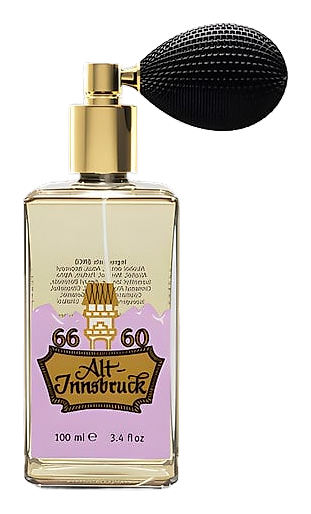
Franz Gatterer spent years as a master Austrian druggist perfecting one fragrance. Post-war Alpine workshops, pharmaceutical precision, sensory craft, he brought both to bear on a single vision. In 1953, that vision arrived as the Alt-Innsbruck Eau de Cologne: tobacco flower and menthol, nothing more, nothing less. This was not conceived as perfume for special occasions. It was built for the morning. For the ritual. For the barbershop chair where a man sharpens himself before the day begins.
Two notes. That's the entire composition, and yet the interplay between them is what keeps wearers coming back. The menthol doesn't simply sit alongside the tobacco, it modulates it, creating a physical coolness on the skin that makes the sweetness of the tobacco feel clean rather than heavy. Neither note overwhelms. The tobacco flower, specifically Virginia tobacco, carries a natural sweetness that reads as honeyed rather than smoky. Menthol adds that bracing, almost medicinal crispness. Together they create something that functions as both fragrance and grooming product, a rarity in modern perfumery, where sensory experience has largely replaced practical utility.
The evolution
The opening arrives sharp, menthol slicing through the air with that clean, physical coolness you feel before you smell anything. A minute or two, then the menthol recedes and the tobacco steps forward. Not smoke. Not leaves. Sweet tobacco flower, green at the edges, with a slight whisper of aromatics underneath. The drydown is where patience pays off. The tobacco softens, loses its initial brightness, and settles into something quieter, a faint whisper of that menthol coolness persisting underneath, keeping the whole thing clean and close to the skin. Six hours on, it's a memory of itself. Still tobacco. Still crisp. Still honest.
Cultural impact
The Alt-Innsbruck Eau de Cologne occupies a specific corner of fragrance culture, not as a statement piece but as a working tool. Menthol's cooling sensation made it a staple in Alpine barbershops, where function mattered more than fashion. What keeps it relevant today is exactly what made it notable in 1953: it does one thing and does it well. The tobacco-menthol pairing is direct enough to polarize, you know within seconds whether this is for you, which creates a loyalty that trend-driven fragrances rarely earn.