The Story
Why it exists.
The beginning
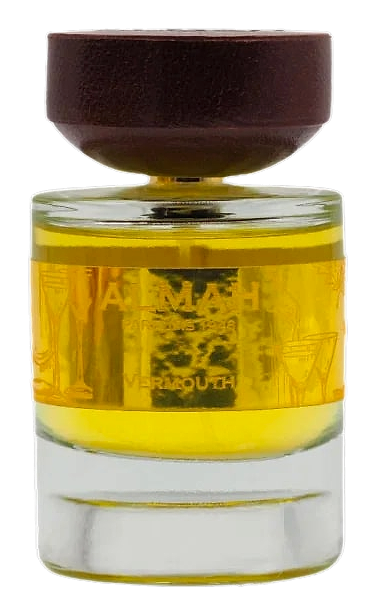
There is a Spanish ritual older than most perfume houses: the vermut hour. A glass of fortified wine, aromatized with wormwood and bark and citrus peel, served over ice with an olive. Almah Parfums 1948 built Vermouth as a translation of that custom, not a cocktail but a bottle that smells like the glass, the garnish, and the late-afternoon light that comes with it. The composition reads less like a single cocktail and more like the apothecary shelf behind the bar: fortified, bitter, cool, and faintly sweet all at once. The nose worked in 2025, and the result is a perfume that takes its cues from the drink itself rather than from the usual gourmand shortcuts.
What makes Vermouth structurally interesting is the layering inside a category most niche perfumery avoids. The fragrance is built on a fortified-wine premise, loaded with dozens of botanical infusions, wormwood being the famous one, but the composition itself is composed of lime, juniper, ginger, grapes, cognac, red fruits, and cider apple. That note list borrows from the intellectual premise of the drink: each ingredient plays the part of a botanical maceration, layered into something that smells less like a single material and more like a cabinet of them.
The evolution
The opening arrives bitter and cold, all liqueur snap and green astringency. That edge softens within the first few minutes as the fruit notes come through, the grapes and red fruits lending a bruised, almost wine-stained sweetness to the composition. The ginger underneath reads as warmth without weight, more suggestion than statement. By the second hour the perfume shifts to a quieter register. No single note leads. The base is more texture than material, dry and slightly sweet, the way wine leaves a film on the glass after the ice has melted and the last sip is gone. The drydown is where this one earns its quiet reputation. Over time, the cognac and cider apple recede into something skin-warm, a close-skin hum that barely projects past your collar. It does not fill rooms. It does not announce itself.
Cultural impact
Vermouth lands in a category of its own: a perfume built to translate a drink rather than a flower, a place, or a season. The Spanish vermut tradition informs the premise, a ritual glass of fortified wine, aromatized and served over ice, has long been a social anchor in late-afternoon culture, and this release bottles that hour into something wearable rather than pourable. Wearer profile tends toward the considered: someone drawn to apothecary-style compositions, to bitter-green fragrances, and to the kind of bottle that smells closer to a well-made cocktail than to a conventional perfume.