The Story
Why it exists.
The beginning
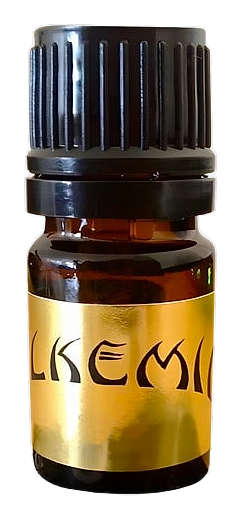
Wing of Bat draws from a tradition older than modern perfumery: the fougère-chypre lineage that built the vocabulary of mossy, green, slightly dangerous scent. Created by Sharra Lamoureaux for Alkemia Perfumes, the composition centers on oakmoss, patchouli, fern, ambergris, and a thread of leather, the notes that defined an earlier era of perfumery, stripped of pretense and rebuilt for a wearer who values atmosphere over recognition. The name evokes something nocturnal and instinctive, the flicker of movement in dim light, the whisper of wings. Not gothic for gothicism's sake, but for the particular pleasure of wearing something that smells like it was discovered rather than designed.
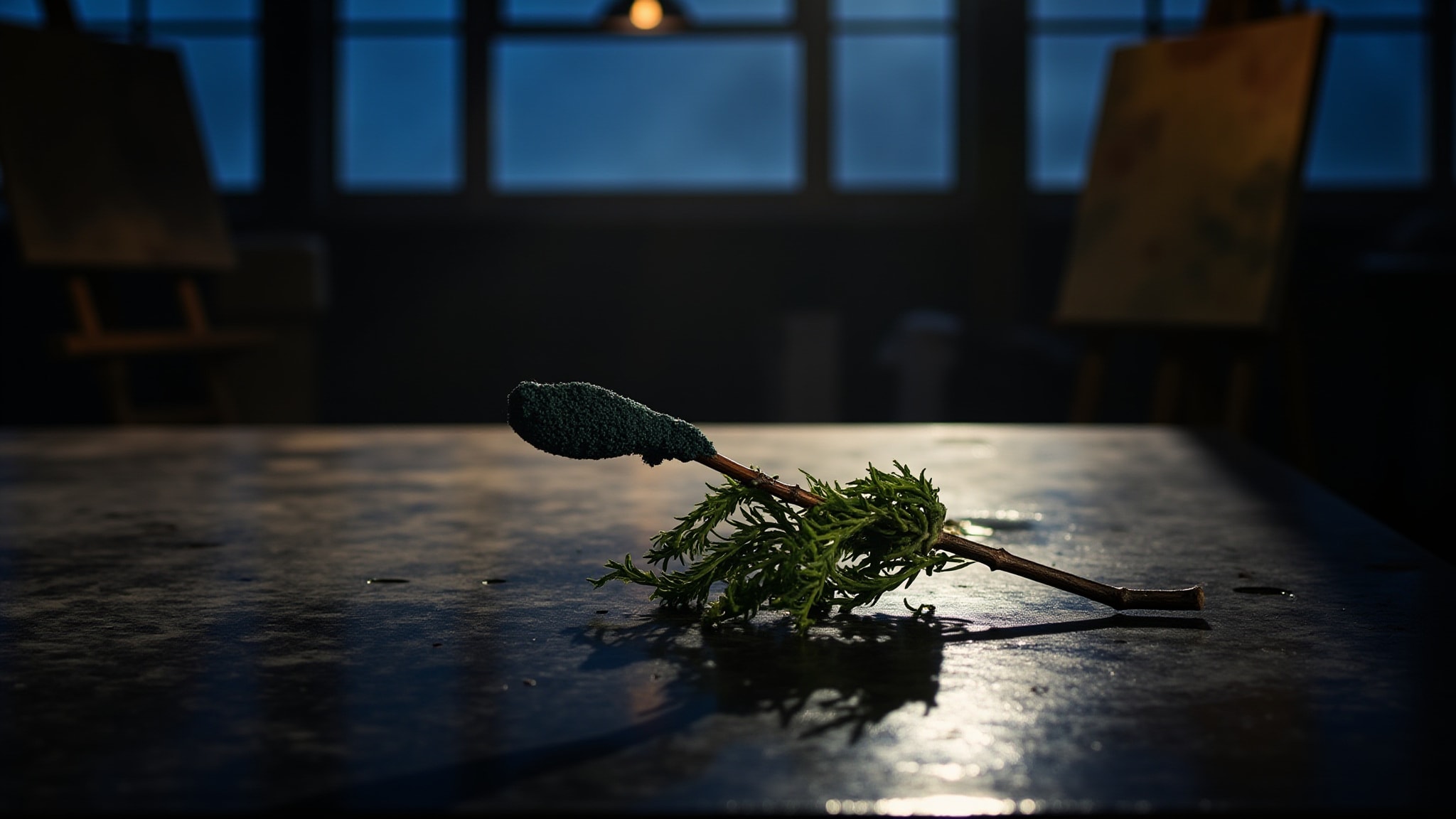
The fougère structure here is deconstructed and rebuilt with minimal florals. Wing of Bat skips the usual scaffolding and lets oakmoss and patchouli carry the architecture themselves. The fern accord adds a green, slightly bitter crunch, like fern fiddleheads just before they unfurl, that curling complexity between vegetative and mineral. Ambergris brings the animalic saltiness that ties it all to skin chemistry rather than the laboratory, giving the whole composition a warmth that feels biological.
The evolution
The opening hits with crushed fern and a bright slap of green oakmoss, almost medicinal in its clarity. Patchouli arrives within the first ten minutes, but not the sweet, rounded patchouli of hippie incense. This is green patchouli, sharp and sappy, the smell of a stem snapped between fingers, with that raw vegetal quality that recalls the plant itself rather than any finished product. Around the thirty-minute mark the ambergris surfaces, warming the composition, adding a salted-skin dimension that makes the scent feel less like a fragrance and more like something the body produced on its own. Leather emerges in the late heart as a faint suede note, more suggestion than statement, a tactile whisper rather than a declarative chord.
Cultural impact
The fragrance shares territory with classic chypres and fougères but arrives stripped of the sweet lavender scaffolding that modern versions often carry. The composition speaks to anyone drawn to mossy, animalic profiles that feel grounded in older traditions of European perfumery, where oakmoss and patchouli were the primary characters rather than supporting notes. The animalic undercurrent from ambergris gives it a sensual, lived-in quality that rewards close attention, the kind of scent that reveals different facets depending on the hour and the weather.