The Story
Why it exists.
The beginning
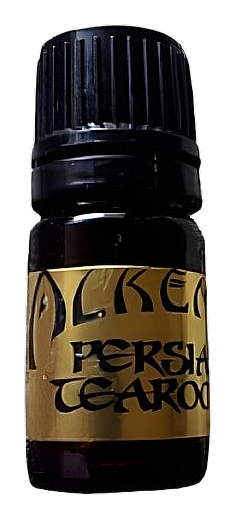
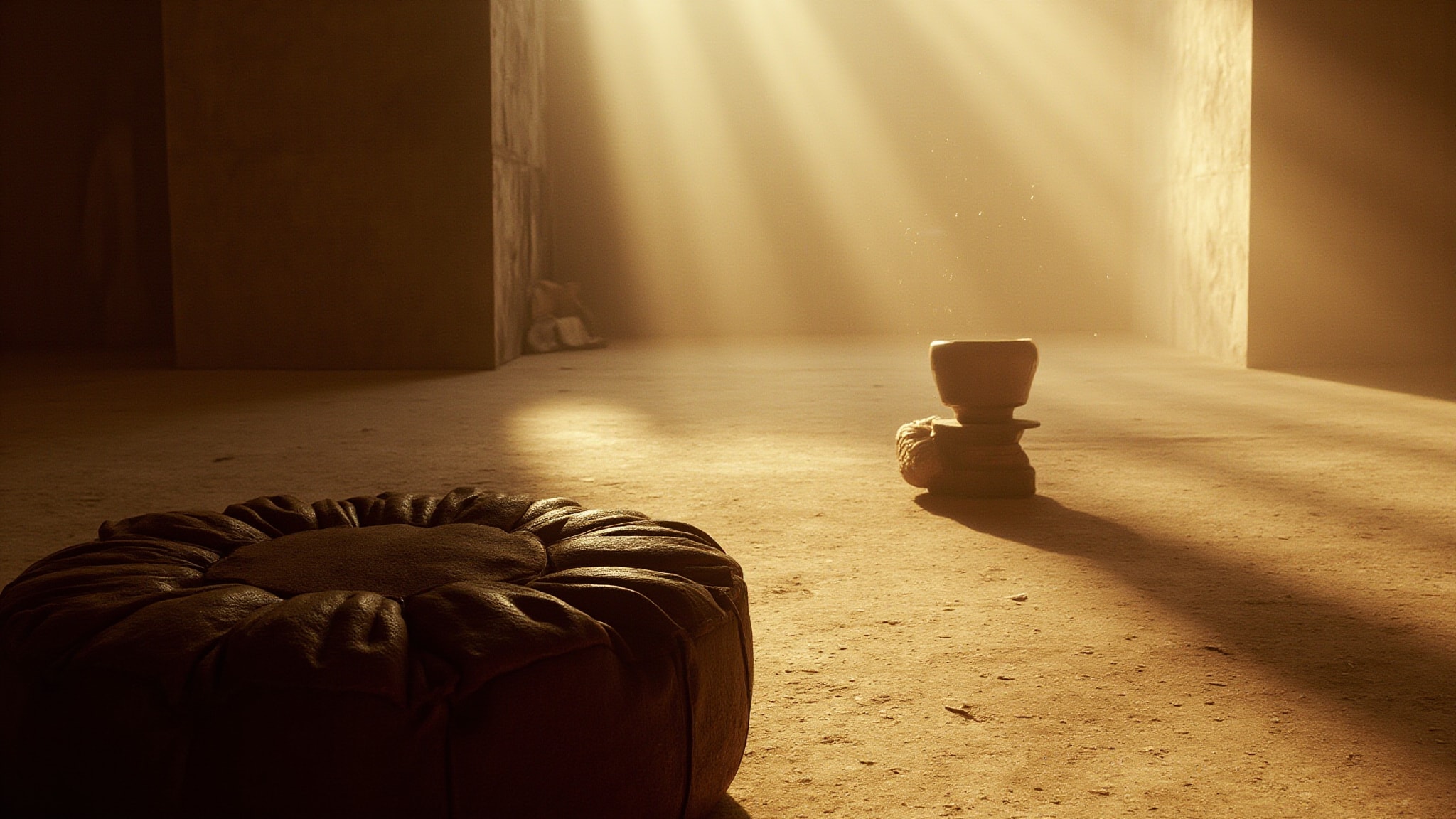
The name says Persian, but the spirit is Silk Road, trade routes, caravanserais, the meeting point of cultures. Perfumer Sharra Lamoureaux created Persian Tea Room as an exercise in atmosphere: what does it smell like to sit in a tea house, tea steaming in your hands, watching light move across ancient stone? The concept grew from the smell of black tea brewed strong, the mineral tang of desert air drifting through an open window, and underneath it all, the soft suggestion of worn leather. This wasn't about replicating a place. It was about capturing a feeling: the warmth of being somewhere that has been warm for a very long time. The interplay of steam and spice, the way light falls through latticed windows, the hush of conversation in a space built for lingering over cups.
What's unusual here is the restraint. Russian tea and spices could easily become heavy, orientalist pastiche. Instead, everything stays airy, the tea is suggestion rather than assertion, the leather wears thin like suede, the sand reads as mineral clarity. The oud appears only as a whisper at the base, not the dark heart of the composition. The musk is where this lives. Not sharp animalic musk, but something cleaner, skin-warm, intimate. This fragrance understands the difference between presence and projection. It wants to be discovered, not announced.
The evolution
The opening hits like heat shimmer off desert stone. Black tea, strong and mineral-bright, lifts with cardamom and a dry spice that doesn't burn, it shimmers. The sand is there from the start, lending that mineral clarity that keeps everything from getting heavy. Within twenty minutes, leather arrives. Not the sharp kind, worn suede, softened by years. It settles beside the tea without competing. Russian tea and suede begin their conversation, spices humming underneath. The heart deepens into leather and musk woven so tightly it reads as one accord, warm, intimate, second-skin. The sand fades but the mineral quality remains, grounding everything. The drydown is the slow exhale. Oud breathes once, quiet as a thought, then settles. What remains is suede-warm against skin, the ghost of tea, and that clean musk that doesn't project, it waits. On skin, the fragrance unfolds over many hours.
Cultural impact
Persian Tea Room offers an alternative to mainstream fragrance releases, presenting a composition that tells a story rather than simply smelling pleasant. Its focus on tea culture and Silk Road spice routes creates a narrative dimension that sets it apart. The fragrance demonstrates how indie perfumery can explore themes that larger houses often overlook, weaving cultural references into sensory experience. Its layered construction rewards those who attend to its development over time, rewarding patience with complexity that reveals itself gradually.