The Story
Why it exists.
The beginning
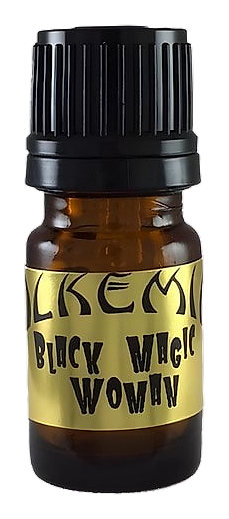
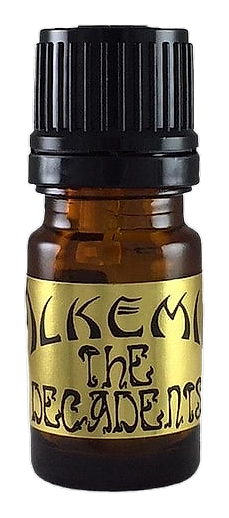
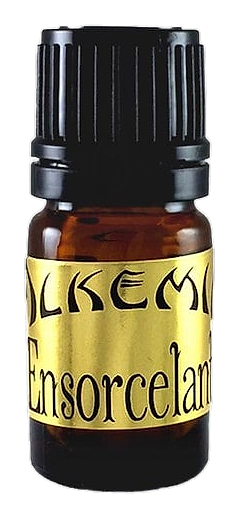
Ensorcelant arrived in 2016 from Sharra Lamoureaux at Alkemia Perfumes, emerging from a house known for incense-heavy, natural-leaning compositions. The name, French for bewitching or enchanting, sets the intention plainly: this scent is meant to hold attention, to pull someone closer. Lamoureaux built it around a tension between bright fruit and resinous smoke, two territories that don't usually share space comfortably. Here, they negotiate. The jasmine sambac serves as the bridge, white floral warmth thick enough to carry the sweetness forward without letting it float away, while the incense and patchouli anchor the whole thing to something darker underneath.
What makes this composition work is the sequencing. Raspberry and caramel arriving together is a risky move, too much of either and you're in dessert territory. The frankincense doesn't wait its turn politely; it pushes through the sweetness early, adding a resinous counterweight that keeps the opening from reading as purely gourmand. The jasmine sambac is the quiet decision-maker here, present but not announced, working the middle registers so the patchouli has somewhere warm to land in the drydown. Patchouli in this context isn't the earthy, hippie-association patchouli of the 1970s.
The evolution
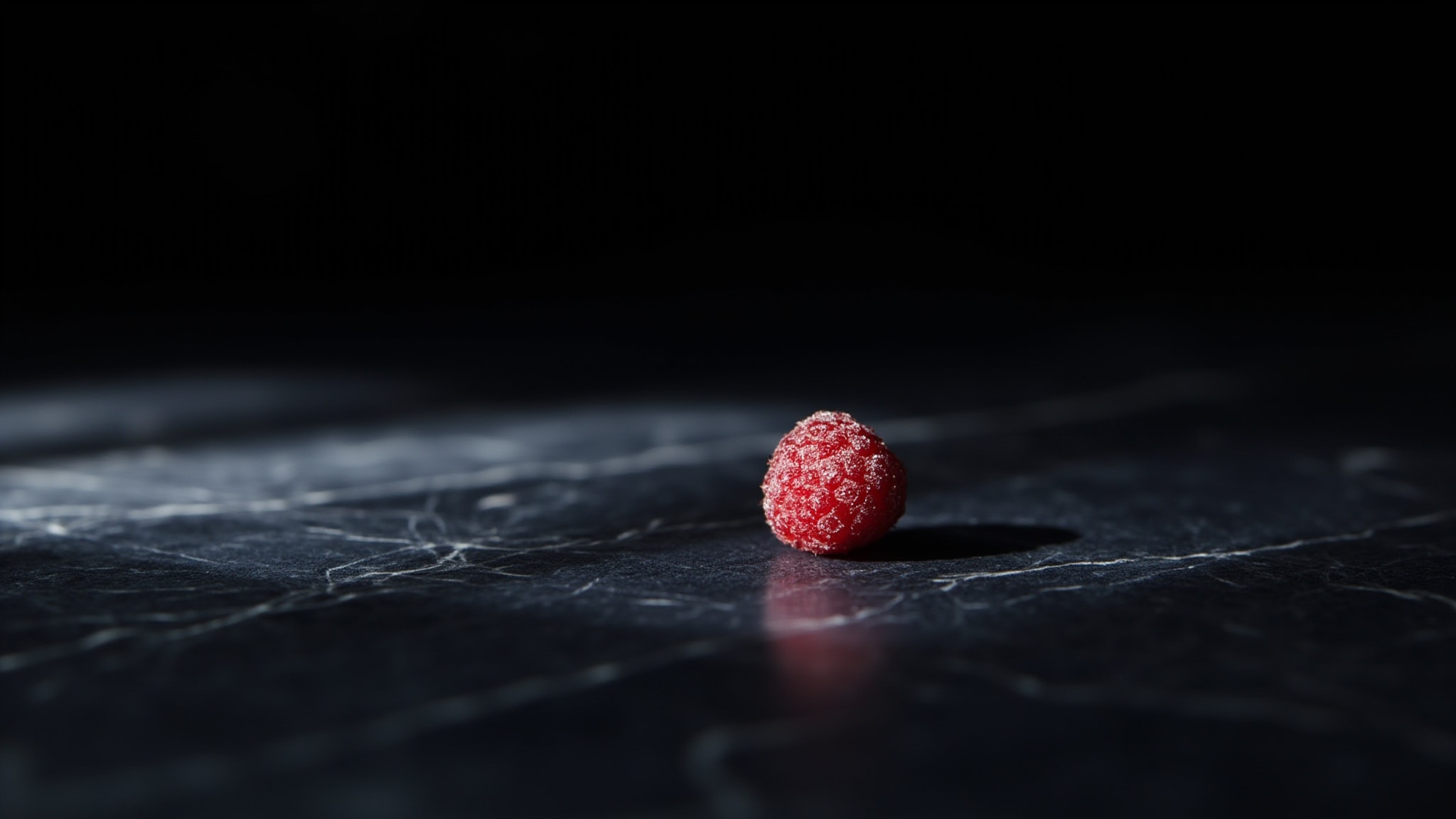
The first five minutes are all fruit, raspberry hitting bright and almost tart, caramel sliding in underneath with that slightly burnt edge that keeps it from reading as candy. Incense pushes through faster than expected, not the church-smoke kind but something warmer, resinous, like frankincense resin beads heated gently. At thirty minutes the jasmine sambac announces itself as a presence, not a whisper, white floral sweetness that thickens the air without becoming indolic or heavy. By the second hour the raspberry has softened into a memory, and what remains is caramel-warmed patchouli over a lingering frankincense base that sits close to skin but announces itself whenever you move. The drydown holds for four to six hours on most skin types, staying intimate rather than room-filling, this is a fragrance that requires proximity to be appreciated.
Cultural impact
The raspberry-caramel combination represents a significant evolution in modern perfumery's approach to gourmand aesthetics. This sweet, edible pairing emerged from the late 20th-century movement that reimagined fragrance as a form of wearable comfort food. While caramel notes have historical roots in classic orientals and chypres, the fresh-fruit-meets-buttery-sweet pairing reflects contemporary desires for accessible luxury and sensory pleasure. Indie houses like Alkemia have been instrumental in democratizing these experimental compositions, moving them beyond the domain of high-fashion houses into artisanal perfumery. The appeal speaks to nostalgia, self-care culture, and the human tendency to associate positive emotions with food-related memories.