The Story
Why it exists.
The beginning
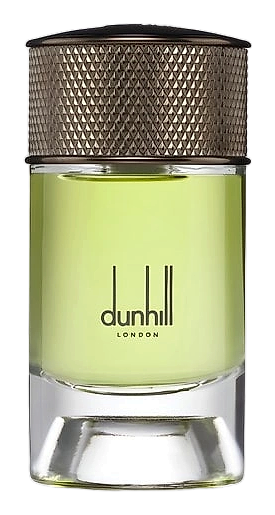
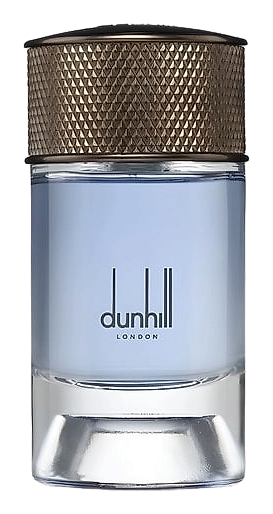
Alfred Dunhill's release named for that landscape takes the ingredient seriously: not as a background note or a nod to tradition, but as the composition's main event. Perfumer Jérôme Di Marino built the fragrance around that intention. Where most masculine fragrances use lavender as a bridge between citrus and wood, Valensole Lavender puts it first. The result is a fougère that feels both contemporary and rooted in something real, not the idea of lavender, but the actual material. The lavender arrives with a crisp, clean intensity that speaks to its authenticity, carrying the herb's natural camphorated quality alongside softer floral facets that keep it from feeling medicinal or harsh.
The fougère structure is the key. The opening throws saffron and lemon hard, saffron's slightly medicinal warmth against lemon's citrus lift, creating a sharp aromatic attack that clears the way for the lavender to arrive on its own terms. When it does, the heart fills with cool, camphorated herbal depth. Sage and cardamom layer in, adding green and spicy dimensions that keep the lavender from reading as flat or soapy.
The evolution
The opening salvo, saffron, lemon, a whisper of nutmeg, arrives like a charge. The saffron throws a slightly medicinal heat against the lemon's citrus brightness, creating an unexpected precision from the nutmeg. When the lavender finally arrives, it doesn't tiptoe in. It fills the space, cool and camphorated, letting its herbal depth take over as the supporting notes recede. The sage and cardamom fade to background texture while the lavender settles into its own oils, warming on the skin. The drydown is where this lives longest. Guaiac wood and amberwood create a warm, slightly smoky foundation, with vetiver adding an earthy, slightly tar-like finish that lingers close to the skin. Moderate sillage, the kind of presence that someone standing beside you will notice before the room does.
Cultural impact
Lavender in masculine perfumery had become almost invisible, overshadowed by oud, ambroxan, and aquatic accords. Valensole Lavender brought it back as a statement. The fougère structure is traditional, but the execution is contemporary: sharp, confident, unafraid of its own nature. It's the kind of fragrance that appeals to someone who knows what they want and doesn't need to announce it. The confidence here isn't loud or demanding; it's the quiet certainty of a composition that knows exactly what it is and refuses to apologize for taking a classic ingredient seriously in a market that had largely moved on.