The Story
Why it exists.
The beginning
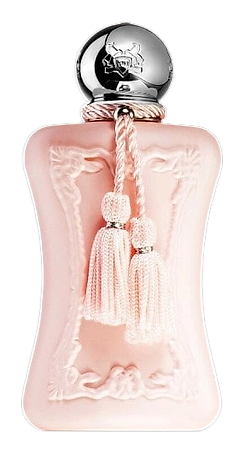
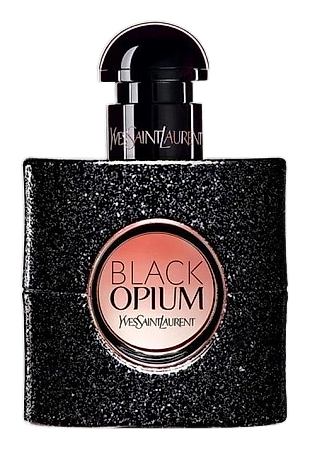
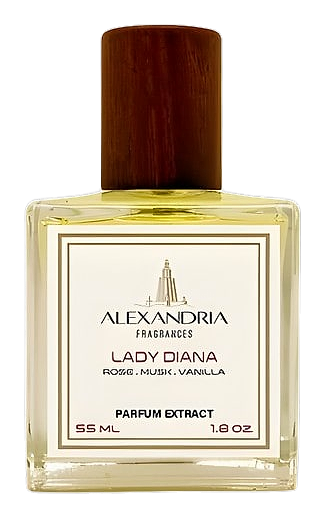
Lady Diana landed in 2018 as Alexandria Fragrances' interpretation of a now-iconic fruity-floral structure. The original it references redefined what a rose fragrance could be when it paired Turkish rose with lychee, a combination that felt both familiar and strange when it first arrived. Alexandria Fragrances, founded by Hany Hafez in Anaheim, California, built their house around the idea that laboratory precision could honor traditional perfume materials while making them more accessible. Lady Diana was the house's answer to a specific question: what if you could have that exact combination of lychee sweetness, tart rhubarb, and powdery Turkish rose without the luxury price attached? The name carries a different weight than the fragrance, named for a princess, but smelling like the kind of woman who knows exactly what she wants and reaches for it without hesitation.
What makes Lady Diana work is the way its heart notes resist easy categorization. Turkish rose provides the classic floral anchor, but Petalia adds an herbal, slightly green undertone that keeps the rose from going full powder. Litchi brings tropical sweetness without the watery quality that sometimes plagues lychee in fragrance. The rhubarb in the opening is the surprise, tart, almost sour, it creates an initial tension that makes the sweetness that follows feel earned rather than inevitable. Cashmeran contributes a soft, musky warmth that bridges the fruity opening and the woody base, while nutmeg and incense add a quiet spiciness that prevents the composition from settling into something too polite.
The evolution
The opening hits immediately: rhubarb's tart bite cuts through the lychee's tropical sweetness like citrus on the tongue. Thirty seconds in, you've forgotten it was ever there. The lychee takes over, bright, juicy, almost candied. This phase lasts roughly thirty minutes before the hand-off begins. Turkish rose enters the heart with presence. Not aggressive, but impossible to ignore. It doesn't supplant the lychee, it absorbs it, turning the sweetness into something more complex, more feminine in the classical sense. Peony softens the transition. As the rose settles, a powdery warmth builds from Cashmeran and vanilla. The drydown is where this fragrance earns its parfum classification. Cedar and Haitian vetiver arrive late, around the three-hour mark, adding a dry woody structure that keeps the sweetness from becoming cloying. Incense stays quiet throughout, a whisper in the background that adds intrigue without smoke. By the fifth hour, you're left with vanilla, musk, and wood. The sillage shifts from strong projection to intimate presence.
Cultural impact
Lady Diana exists because the fragrance that inspired it became a benchmark. The lychee-Turkish rose combination it references redefined what a modern rose fragrance could be. Lady Diana brings that same combination into a different register, less polished, more direct. What makes it notable isn't just the similarity to the original, but how confidently it executes it. The parfum concentration means it projects strongly and lasts, which is part of why it developed a following among people who wanted the effect without the investment.