The Story
Why it exists.
The beginning
Yaqoot presents a floral fragrance built around contrast: citrus and rose create an immediate impression, while salt pushes the familiar floral profile somewhere less predictable. The combination asks you to experience rose as something brighter and more tactile, not merely soft or romantic. No named perfumer or specific inspiration is documented, so the composition itself tells the story. Its salt-rose tension gives the scent a distinctive character, balancing freshness with a cooler, more mineral mood. As it settles, the fragrance moves from brightness into a quieter floral space, where texture and atmosphere matter as much as the opening impression. Yaqoot offers a clear idea of how a floral can feel both polished and unconventional.
The unusual point is the salt at the center. Rose often arrives with sweetness and citrus arrives with brightness, but salt introduces a cooler, mineral question mark between them. It can make the rose feel sunlit and windswept rather than lush, while preventing the citrus opening from becoming a simple burst of freshness. As the composition develops, the floral character remains the main thread, but its edges become more tactile and atmospheric. The scent carries a soft tension between brightness and restraint, giving the wearer a composition that feels personal rather than declarative.
The evolution
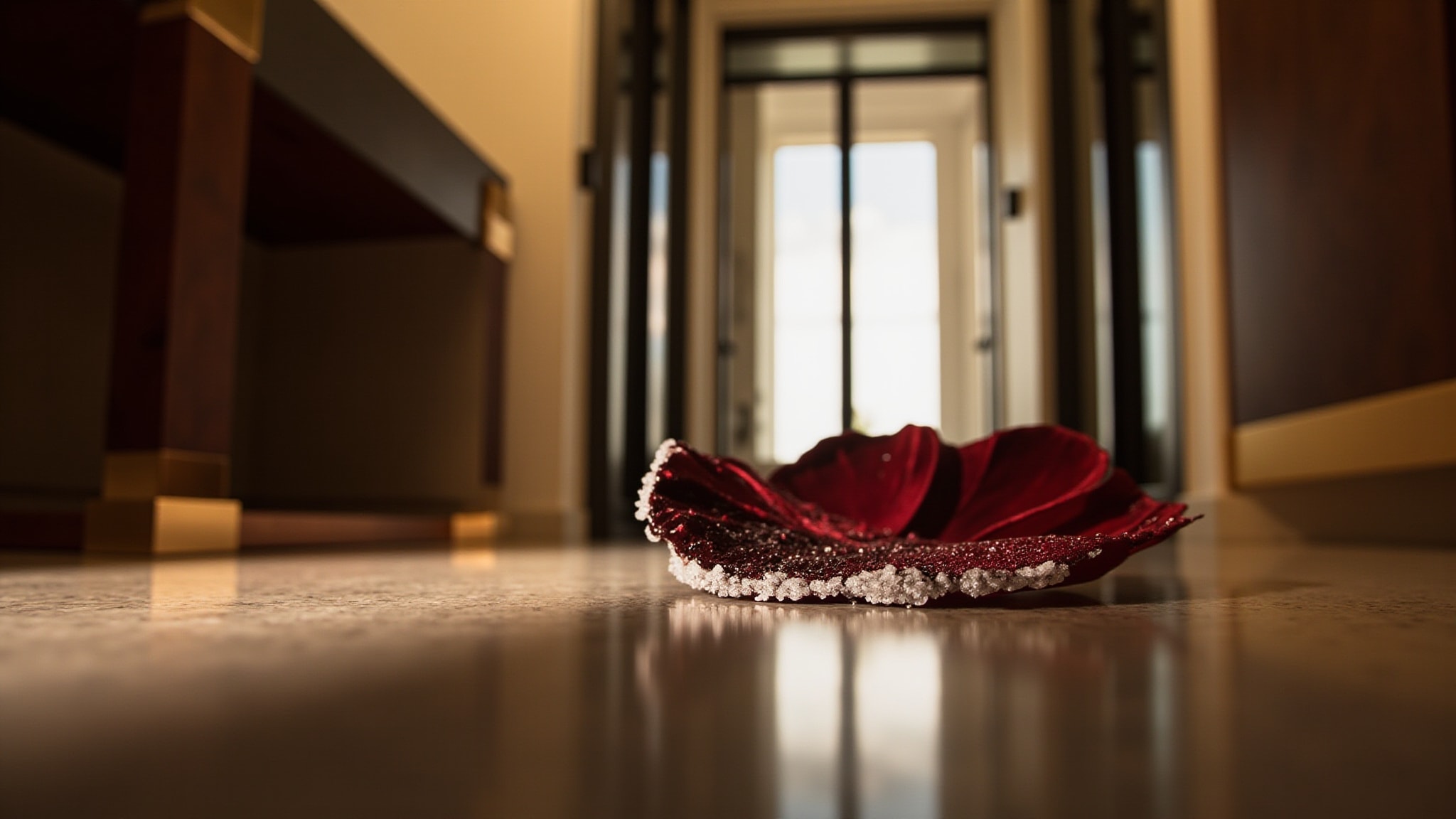
Yaqoot begins with citrus and rose lifted by salt. The opening has a clean, sparkling snap, but the salt quickly pulls it away from pure brightness and toward something more tactile, like rose petals after sea wind. As the heart settles, the composition becomes more intimate: the floral impression remains, yet a cool mineral edge gives it a salty, almost skin-like character. The drydown is where the structure finds its footing, with cashmere wood supplying a smooth, woven warmth and ambergris adding depth and a faint animalic richness. Across a typical 4-6 hour wear, the opening's lift gives way to a calmer woody floral trace. Moderate sillage keeps the whole arc close rather than turning it into a room-filling announcement.
Cultural impact
Yaqoot’s cultural position can be understood through its expressive approach to floral perfumery. Its mineral salt accent gives the composition a distinctive edge, placing brightness and tactile contrast at the center of the experience. Rather than following a strictly familiar floral format, it invites a more personal reading: floral notes become brighter, cooler, and more atmospheric as the scent evolves. The market response is still limited, so its cultural position is better read through its brand platform than through claims of broad reception.
The House
Al Shareef OudhAl Shareef Oudh is a Malaysian boutique house specializing in traditional Eastern perfumery, particularly oudhs, mukhallaats, and attars. Founded by a family with three generations of olfactory expertise, the house is guided by Al Shareef Jawed, who learned the craft from his father and grandfather. The house has built its reputation crafting custom fragrances for statesmen, drawing on wild natural ingredients and age-old methods of perfume creation. Al Shareef Oudh maintains a presence through Vivace boutiques in Dubai and Qatar, while continuing its focus on artisanal, handcrafted scents rooted in regional perfumery traditions.
The Creator
Al Shareef JawedJawed draws heavily from the oud-forward traditions of Eastern perfumery, where rich, resinous materials take center stage rather than playing supporting roles. His signature approach involves layering depth upon depth, building compositions that reveal new facets as they dry…