The Story
Why it exists.
The beginning
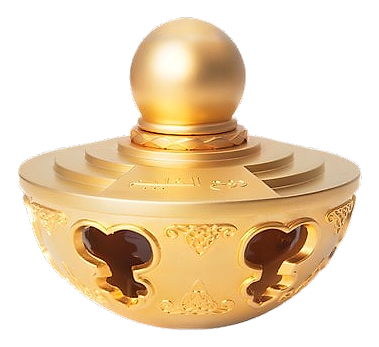
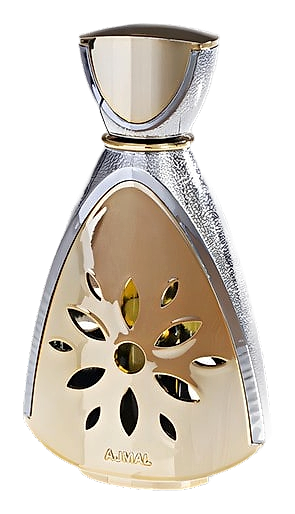
Najla was named for a star, the fourth in a lunar mansions system used for navigation across the Arabian Peninsula for centuries. In Arabic astronomical tradition, these weren't just points in the sky. They were markers. Guides. The kind of thing you trusted when the dark stretched longer than expected. Ajmal's perfumers built the fragrance around that idea. Not a literal translation of stargazing, something closer to the feeling of it. Direction found in unfamiliar territory. A light that arrives when you've already accepted the dark. The 2009 launch placed this oriental floral in a moment when the house was expanding its identity beyond oud-dominant compositions, testing how far rose and saffron could carry a fragrance without leaning into the familiar territory of heavier woods. The perfumer worked with a specific tension: warmth that doesn't overwhelm, presence that doesn't announce.
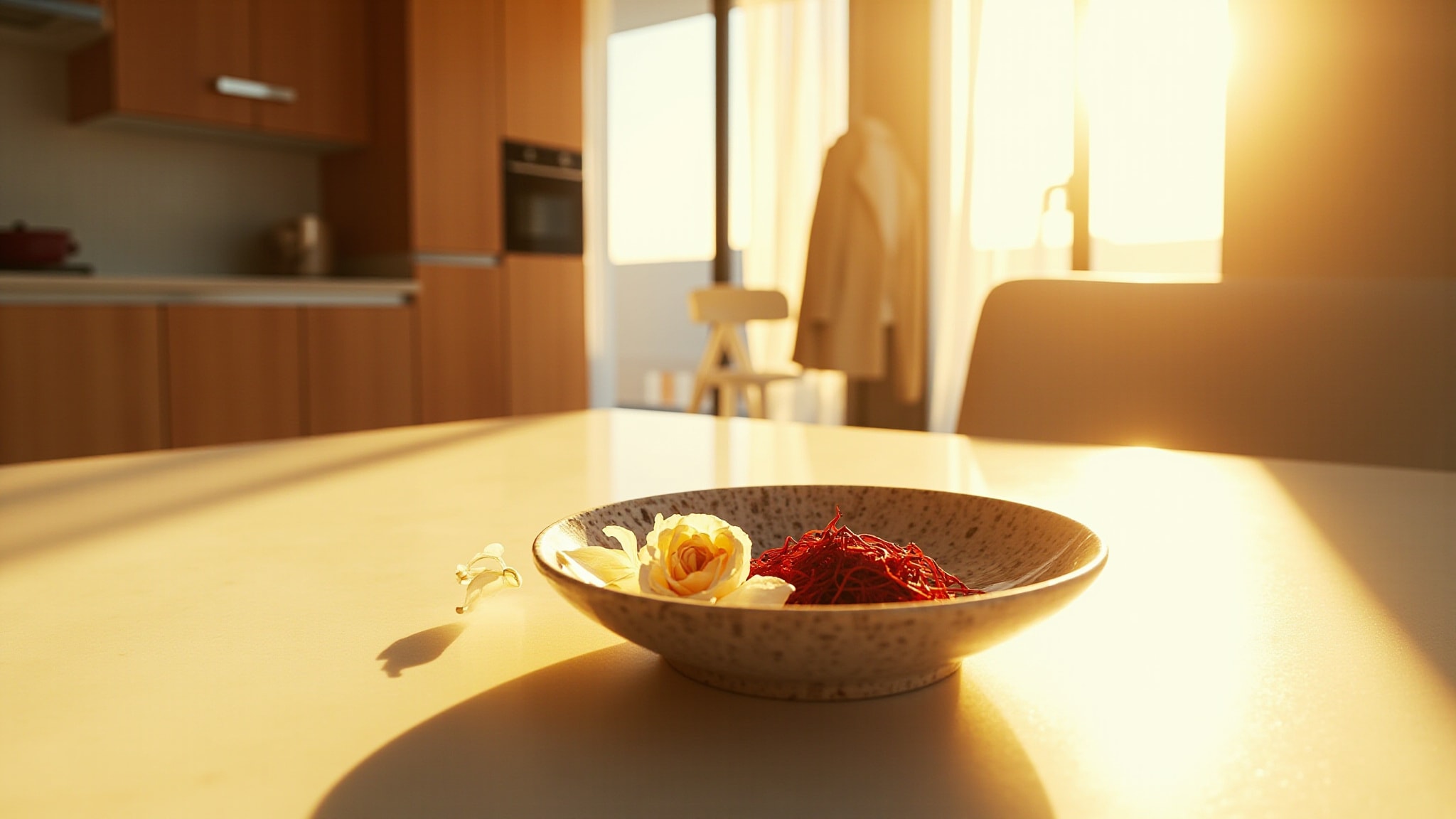
What makes the structure interesting is how the saffron operates. In many oriental compositions, saffron functions as a spice note, it pushes, it demands. Here, it behaves differently. The extraction or the blending seems to have pulled it toward its mineral quality rather than its sweetness. That metallic sheen in the opening isn't an accident, it's the architecture. Rose and jasmine together can easily produce something cloying if the base doesn't counterbalance. Ajmal chose cedar and sandalwood specifically to intercept that. The wood notes don't compete with the florals, they interrupt them at exactly the right moment, before the sweetness becomes syrupy.
The evolution
The opening announces itself immediately. Saffron's metallic brightness cuts through, sharp, almost astringent, like the smell of rain on warm stone rather than rain on cold pavement. This phase doesn't apologize for being present. It lasts maybe twenty to thirty minutes before jasmine begins to smooth the edges. Once jasmine arrives, the composition shifts. The metallic quality doesn't disappear, it recedes to a background hum, becoming structural rather than dominant. Rose enters quietly, neither the sharp Turkish type nor the heavy Damask variety. It reads softer, almost dewy, arriving without ceremony and without fanfare. This is the heart's job in Najla: to be present without demanding to be noticed. The drydown is where cedar and sandalwood take over. The cedar arrives first, dry, slightly austere, before sandalwood softens it. Musk doesn't announce itself so much as it integrates. By the final hours, the fragrance sits close to the skin, intimate rather than projecting. On fabric, it lasts longer. On skin, expect four to six hours depending on application.
Cultural impact
Najla arrived in 2009 as part of Ajmal's broader push beyond its oud-dominant identity, targeting an international audience seeking warmer, more approachable oriental florals. The fragrance reflects a transitional period for Middle Eastern perfume houses navigating how to honor traditional roots while appealing to a global market. Its saffron-forward opening signals quality ingredients and intentional composition, steering clear of the sweeter, more commercial fare flooding Western shelves at the time. The metallic quality of the opening is a deliberate choice, showcasing Ajmal's commitment to bold, distinctive character rather than safe appeal.