The Story
Why it exists.
The beginning
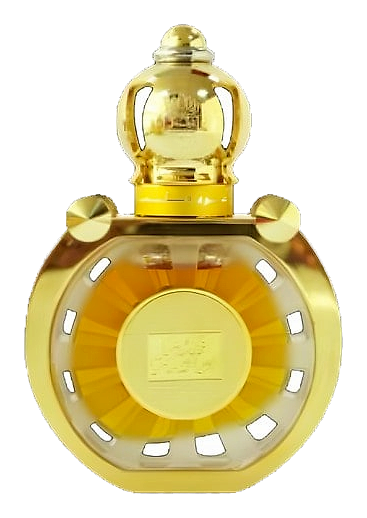
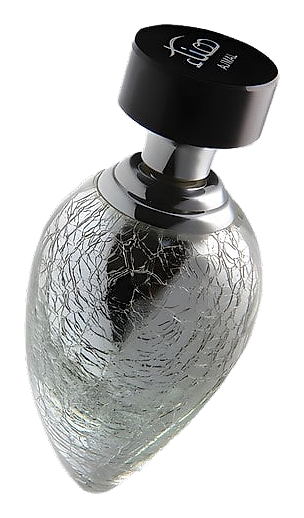
Hanaa means happiness in Arabic, a simple name with a precise intention. Nazir Ajmal built this fragrance around a single question: what does contentment smell like? The answer lives in the tension between floral delicacy and oriental depth, between saffron's sharp warmth and the pillowy softness of white musk. This is not a fragrance that announces itself. It waits for you to come close enough to notice.
The rose used here isn't the kind that arrives and departs in minutes. White musk amplifies and stretches it, giving the floral heart a persistence that feels intentional rather than accidental. The addition of saffron, warm, faintly animalic, bridges the gap between the delicate opening and the oud-driven base. That base is where Ajmal's expertise shows: agarwood handled with restraint, paired with sandalwood to soften rather than amplify. The result is orientalism without spectacle.
The evolution
Saffron opens sharp, almost medicinal in the first five minutes, a brief intensity that quickly softens as rose and white musk arrive together. The rose doesn't compete with the saffron; it coexists, each note tempering the other's extremes. Within thirty minutes, the composition shifts toward its heart: powdery, warm, floral without being sweet. The white musk is the connective tissue here, holding everything in place as amber and sandalwood begin to surface from below. By hour two, the oud announces itself, resinous, deep, grounded. Not smoke, not darkness. Just warmth that refuses to leave. The drydown lasts through evening, close to skin, intimate in a way that feels earned rather than accidental.
Cultural impact
Hanaa arrived at a moment when Middle Eastern fragrance houses were gaining global recognition, and Ajmal positioned it as a bridge between traditional Arabian perfumery and contemporary taste. The use of rose and white musk created a familiar floral vocabulary for international audiences while the oud base anchored it in regional heritage. This balance of accessibility and authenticity proved influential among newer niche brands that followed. Hanaa also contributed to the broader narrative of non-Western fragrance houses as serious creative forces rather than mere producers of orientals. The 2011 release predates the current wave of rose-oud mainstream popularity, making it a precursor rather than a follower of that trend.