The Story
Why it exists.
The beginning
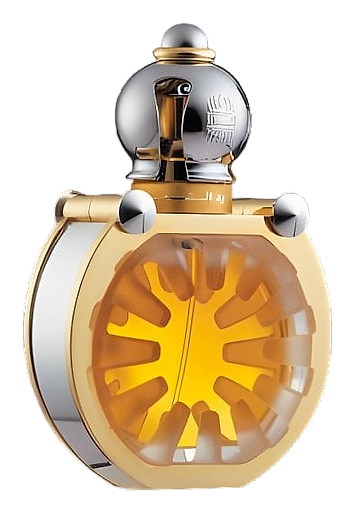
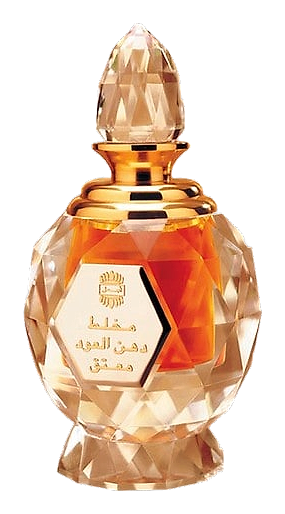
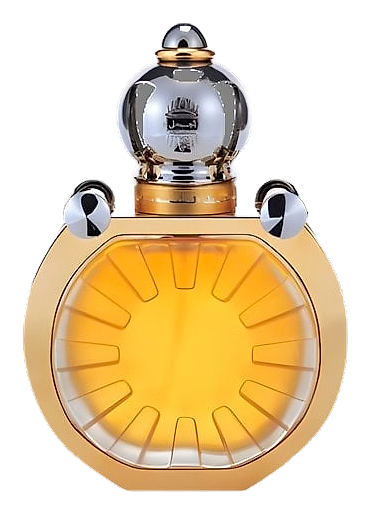
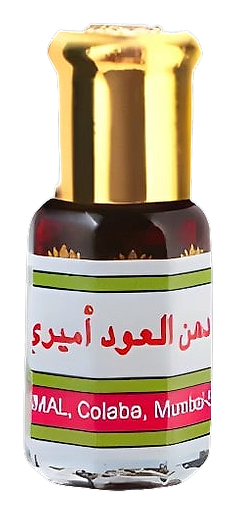
Dahn Al Oudh Amiri announces itself before the cap comes off. This is a dahn, not an eau de parfum, a pure oud distillate applied with a dabber rather than a spray, and it behaves like one from the first breath. The juice carries the dense, resinous weight of unblended agarwood oil, the kind of viscosity that clings to skin and warms slowly rather than evaporating off in the first thirty minutes. There's no alcohol lift, no top-heavy citrus, nothing engineered to make the opening feel approachable. What you get instead is wood, deep and saturated, the kind of material scent that reads more as an environment than a note. Ajmal built the formula around oud and left it there, letting the oil's natural texture do the work that synthetics usually take over.
What separates Dahn Al Oudh Amiri from the crowded oud shelf is concentration. Where most modern oud fragrances build a composition around the note, often balancing it with rose, amber, saffron, or musk to round out what would otherwise feel too intense, this one removes those buffer notes entirely. The oil is the entire composition. That choice changes how it reads on skin. There's nothing to dilute the agarwood's natural profile, nothing to mask the parts of the scent that newer wearers sometimes find jarring.
The evolution
The first ten minutes are almost confrontational. Raw, animalic, the kind of opening that makes a room go quiet. Fresh oud hits with that barnyard, slightly sour note, layered over wood that's still sharp from distillation. There's a dry spice running underneath, not declared, just felt, the way heat shimmers off stone. Anyone who hasn't worn real oud before may wonder if the bottle is broken. It isn't. This is the point. Around the 30-minute mark, the sharpness starts to settle. The animalic edge moves backward, replaced by something warmer and more leathery. Woody notes take over, deep and slightly smoky, the way a cedar chest smells after decades of holding wool. By the two-hour mark, the oud has fully matured on skin. What remains is a close, warm haze, woody and faintly sweet, with that fermented-fruit undertone Indian oud is known for. Projection drops but presence doesn't.
Cultural impact
Dahn Al Oudh Amiri occupies a specific lane in the fragrance world, one shaped by format as much as scent. It's a dahn, a pure oil, not a sprayed composition, which already narrows the audience to people who apply fragrance differently and expect more from the material than a top-note thrill. The fragrance reads as dense, complex, and unapologetically oud-forward, appealing to wearers who want the note in its fullest expression rather than a softened translation.