The Story
Why it exists.
The beginning
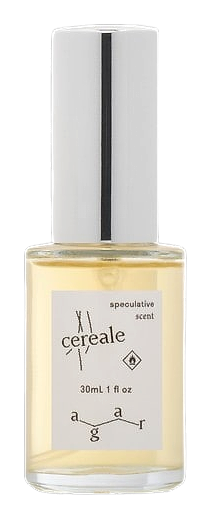
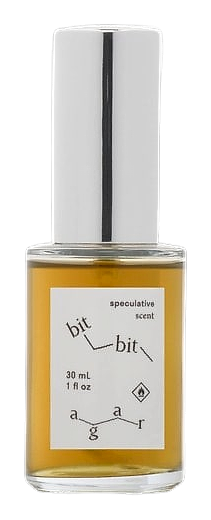
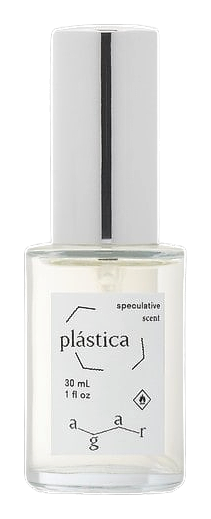
Plástica sits at the core of Agar Olfactory, the project built by artist Agustine Zegers around the idea that fragrance can work as wearable research, a way to slow perception and ask questions the beauty industry prefers to ignore. The house treats scent as a medium for extended attention rather than quick appeal, and Plástica is one of its most direct expressions. The premise driving the composition asks what would happen if synthetic polymers developed a shared consciousness, drifting through the air exchanging scents and information like a rumor you can't source. Zegers's composition makes that premise literal.
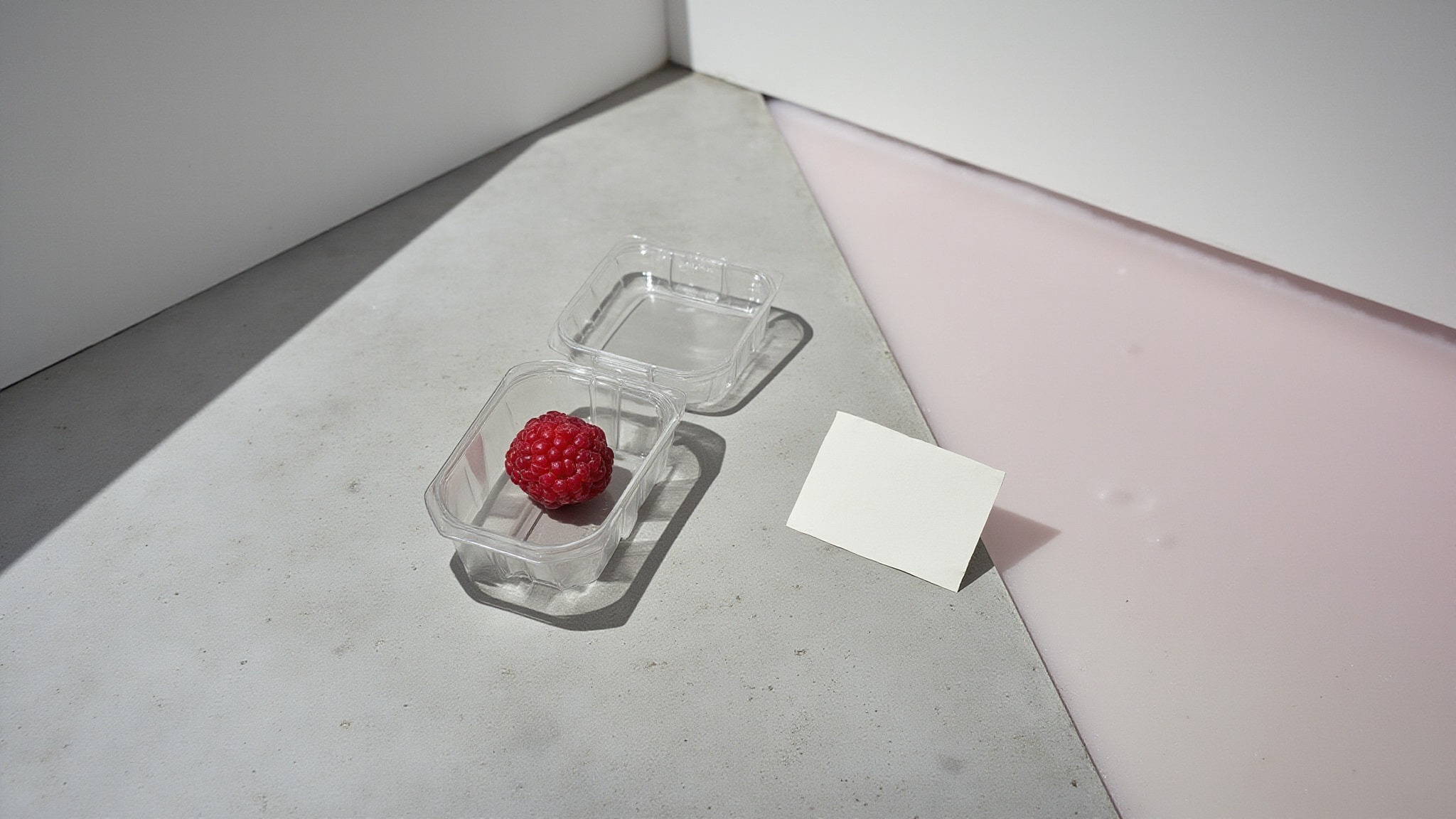
What makes the composition interesting isn't the plastic, it's what plastic is asked to do. Raspberry is the most recognizable fruit in the room, which is exactly why Zegers deforms it. The raspberry here isn't the one you'd eat. It's the memory of raspberry printed onto polymer, half-sweet and half-slick, and the carbonation running underneath gives it the nervous energy of a thing that's trying to escape its container. The whole structure is built around one material, and the friction between the edible and the synthetic is where the work happens.
The evolution
Plástica opens loud. The first minutes are almost aggressive, carbonated sweetness rushing up like you just cracked something open over a plastic cup, and the raspberry is doing all the wrong things, too bright, too thin, too obviously not real. Then something shifts. The fruit recedes, or maybe it just gets quieter while the plastic takes its place at the center of the conversation. What started as a candy-shop raspberry becomes the smell of a polymer remembering it used to hold soda. The accord opens in a register that feels genuinely uncomfortable if you came looking for a fruit scent and got a material study instead, chemical and slightly cold, never fully committing to sweetness, always hovering at the edge where the fruit and the container blur into a single sensation.
Cultural impact
Plástica makes a strong argument for treating synthetic materials as worthy of serious attention in fragrance rather than as filler notes hiding underneath something prettier. The release earns its place by refusing to translate the polymer accord into anything more comfortable, letting the material speak in its own register instead of softening it for an easier wearing experience. People drawn to it tend to be the ones already comfortable in speculative corners of the fragrance world, noses interested in what a material means rather than what it flatters.
The House
Agar OlfactoryAgar Olfactory is an experimental fragrance project by Chilean artist Agustine Zegers, developed in collaboration with the Speculative Scent Lab. The project positions fragrance as a tool for extended attention, creating what the team calls wearable olfactory instruments designed to deepen the relationship between wearer and scent over time. Rather than producing conventional perfume collections, Agar Olfactory releases scents in rotating editions, each housed in an innovative biocellulose packaging system that separates the fragrance from standard industry presentation. The project draws on artistic research and material experimentation, treating fragrance as a medium for ecological inquiry rather than purely commercial product. Zegers brings a visual and conceptual art background to the work, while Speculative Scent Lab provides the structural framework for scent development and distribution through a subscription model centered on discovery and sustained engagement.
The Creator
Agustine ZegersThe materials in a Zegers composition would send most fragrance evaluators reaching for the exit. Mushroom gills, decomposing organic matter, the synthetic tang of thermal printing, activated yeast.