The Story
Why it exists.
The beginning
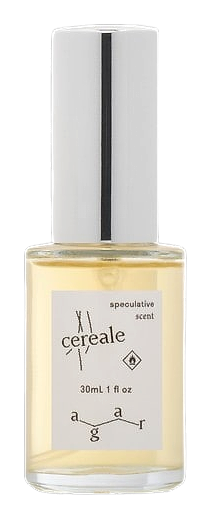
Matsu Musk arrived in 2023 as part of Agar Olfactory's ongoing inquiry into what fragrance can become when treated as a speculative medium rather than a commercial product. The concept behind the scent explored a provocative question: what if the boundary between human and fungi became porous? What would we smell like? This thought experiment drove the creation of a fragrance that asks wearers to consider their own biology through an unexpected fungal lens, turning skin into a site of inquiry rather than a simple backdrop for pleasant notes.
The answer is mushroom, not as an accent note or a quirky supporting player, but as the entire premise. The fragrance doesn't interpret fungi; it translates them. The mushroom accord reproduces the cool, mineral, slightly animalic smell of fresh-cut mushroom gills. The skin accord bridges the gap between the foreign and the familiar, grounding the concept in something bodily and intimate. The base is clean musk, present but restrained. Together, these three materials create something that feels genuinely new: an olfactory portrait of a biological entanglement.
The evolution
On first spray, the mushroom arrives immediately, cool and damp, photorealistic in its presence. This is not a metaphorical forest floor. It smells like the real thing, the grocery store mushroom brought into intimate proximity. For the opening minutes, the fragrance sits close to the skin, projecting minimally, inviting you to lean in and verify what you're experiencing. Then the skin accord emerges, warm and human, uncanny in how it seems to resemble the wearer's own chemistry. The two notes overlap in a brief, strange window where the composition feels like it exists between organisms, fungal and human at once. The mushroom gradually recedes, leaving behind a clean, powdery musk that maintains its presence. The ephemerality is part of the point.
Cultural impact
Matsu Musk occupies a rare position in contemporary fragrance: a work that functions as both scent experience and conceptual provocation. It offers something genuinely strange and specific, something that doesn't rely on the usual comfort of familiar accords. Wearers describe it as photorealistic, not the concept of mushroom, but the smell itself, which places it closer to art installation than to conventional perfumery. The fragrance speaks to a growing interest in experimental and speculative scent practices, offering a genuine alternative for those who find conventional fragrances predictable.
The House
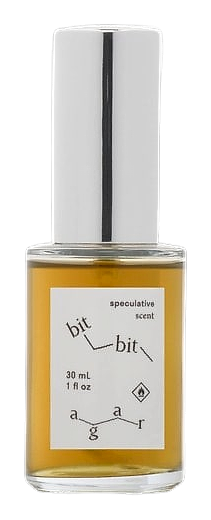
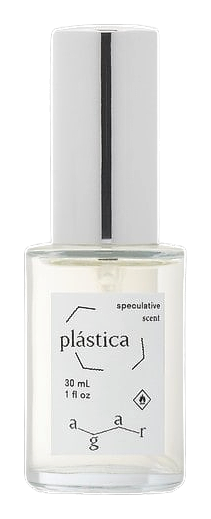
Agar OlfactoryAgar Olfactory is an experimental fragrance project by Chilean artist Agustine Zegers, developed in collaboration with the Speculative Scent Lab. The project positions fragrance as a tool for extended attention, creating what the team calls wearable olfactory instruments designed to deepen the relationship between wearer and scent over time. Rather than producing conventional perfume collections, Agar Olfactory releases scents in rotating editions, each housed in an innovative biocellulose packaging system that separates the fragrance from standard industry presentation. The project draws on artistic research and material experimentation, treating fragrance as a medium for ecological inquiry rather than purely commercial product. Zegers brings a visual and conceptual art background to the work, while Speculative Scent Lab provides the structural framework for scent development and distribution through a subscription model centered on discovery and sustained engagement.
The Creator
Agustine ZegersThe materials in a Zegers composition would send most fragrance evaluators reaching for the exit. Mushroom gills, decomposing organic matter, the synthetic tang of thermal printing, activated yeast.