The Story
Why it exists.
The beginning
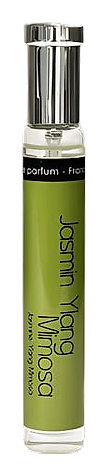
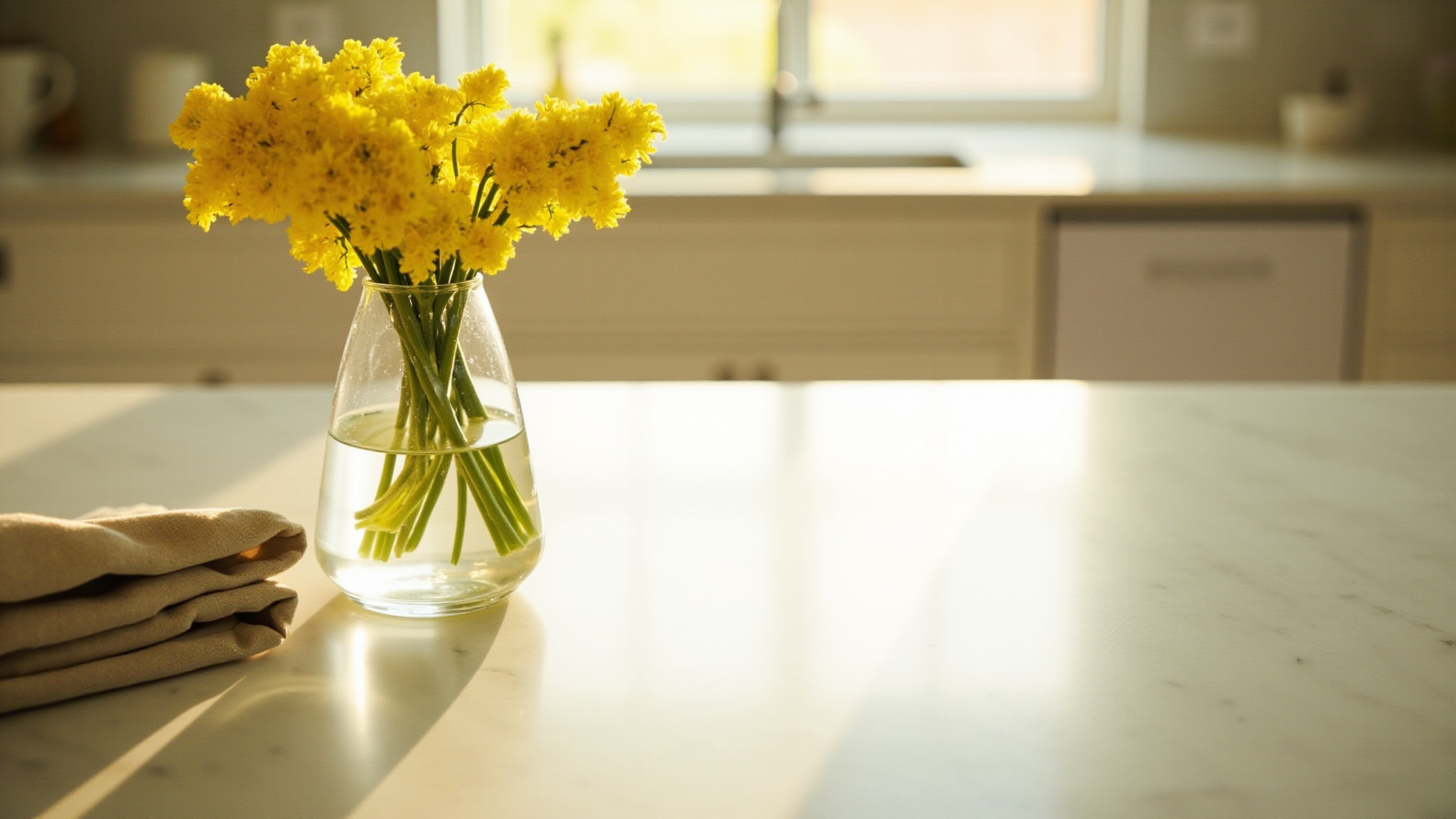
Yellow florals have always been a French perfumery staple. Mimosa, ylang-ylang, jasmine, three flowers that bloom together in the south of France come spring. The green notes in the opening aren't an accident. They're the perfumer's way of saying: we know these florals can smell like air freshener, so we're going to ground them in something real first.
What makes this composition work is the hand-off. The green doesn't disappear, it recedes slowly, like a garden in the distance. By the time the ylang-ylang arrives, you've forgotten there was ever anything but warmth. Comorian ylang-ylang is particularly important here: it's richer, more perfumed than its Indonesian counterpart, and it gives the jasmine something to lean into rather than compete with.
The evolution
Opens green, almost like crushed stems. Thirty minutes in, the mimosa arrives, powdery, sweet, but never cloying. The ylang-ylang deepens the floral heart, adding a tropical warmth that the jasmine then creamifies. By hour two, the vanilla and musk have settled close to the skin. The drydown is intimate, powdery, warm. On fabric, it lasts well into the next day.
Cultural impact
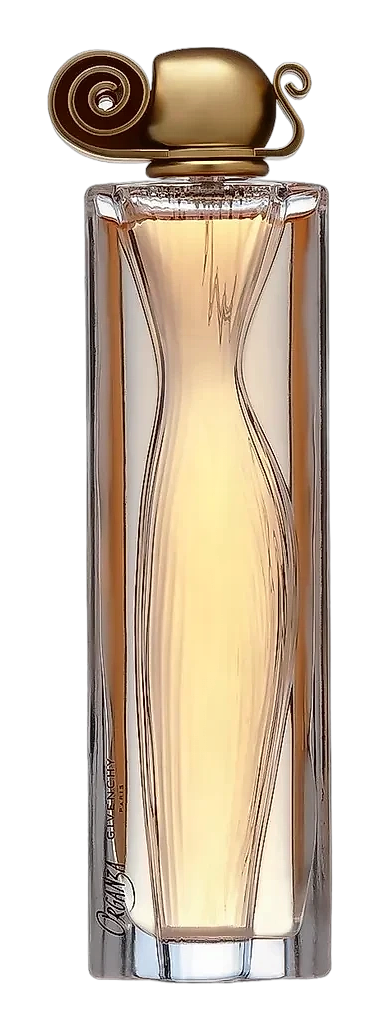
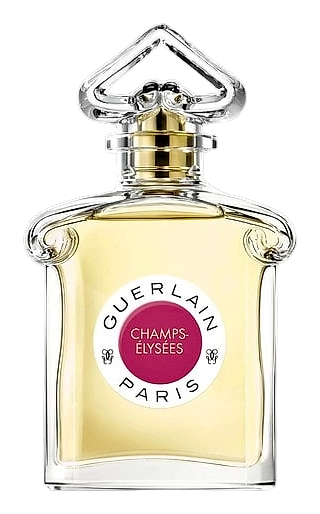
Jasmin Ylang Mimosa sits in the tradition of French yellow floral fragrances, think Guerlain's Champs-Élysées or Givenchy Organza, but without the heritage price tag. It's the kind of fragrance that feels both timeless and approachable, worn by women who appreciate classic perfumery but don't need to announce it.