The Story
Why it exists.
The beginning
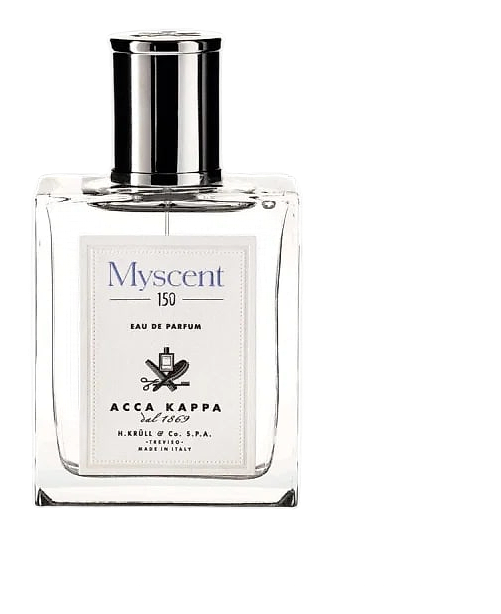
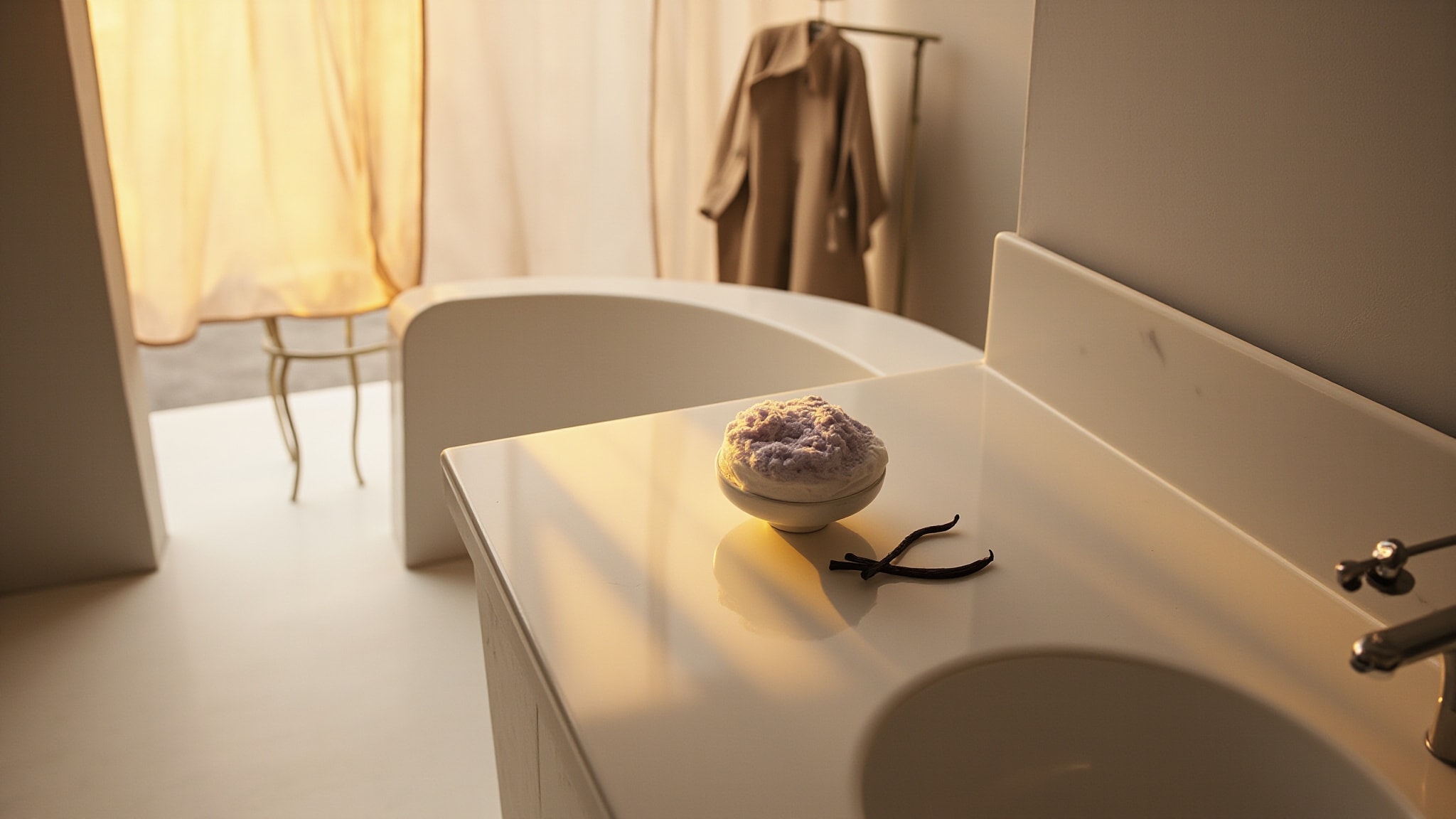
Not a statement scent. Not a projection piece. Something the wearer could claim as their own, intimate, clean, distinctly present without being loud. The name itself says it all: My Scent, not The Scent. The composition unfolds with a quiet confidence that feels almost transparent at first, clean and sheer, like morning light through sheer curtains. There's no insistence here, no demand for attention. Instead, the fragrance settles into the skin with a soft persistence, the kind of presence that feels second-skin and familiar without ever announcing itself. It carries that rare quality of being noticed only when someone leans close, rewarding proximity over projection, intimacy over impact.
Lilac occupies a curious position in perfumery, beloved for its ephemeral spring beauty yet difficult to capture faithfully in a bottle. When it does appear in a composition, it tends to behave differently than most florals, veering toward the powdery and the nostalgic rather than the bright and assertive. In this fragrance, lilac threads through the heart with a gentle insistence, softened by complementary florals into something that feels both familiar and quietly distinctive.
The evolution
The opening phase arrives with a certain translucence, clean and bright, with a cool quality that feels like morning air before the sun fully rises. This initial burst softens quickly as the heart notes begin to assert themselves, and that transition is where the fragrance finds its true character. The florals that follow don't arrive all at once; they emerge gradually, layering into something that feels organic rather than constructed. What follows is a quiet, sustained presence that stays close to the skin for hours, not demanding attention but refusing to disappear entirely. The surprises come not from dramatic shifts but from the way it lingers, persistent without being pushy, present without being loud. It simply stays, occupying space without filling it.
Cultural impact
The fragrance positioning as a personal signature scent, present without announcing itself, speaks to a broader shift in how people approach fragrance. Rather than scent as statement or status marker, it suggests something more personal: fragrance as intimate expression rather than public declaration. The quiet sillage profile offers a different relationship with scent, one where the wearer experiences the fragrance more directly than those around them. This approach reflects an evolving sensibility around fragrance etiquette, particularly in shared spaces where not everyone wants to share the sensory environment.