The Story
Why it exists.
The beginning
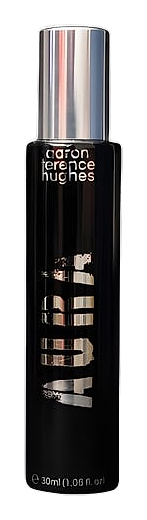
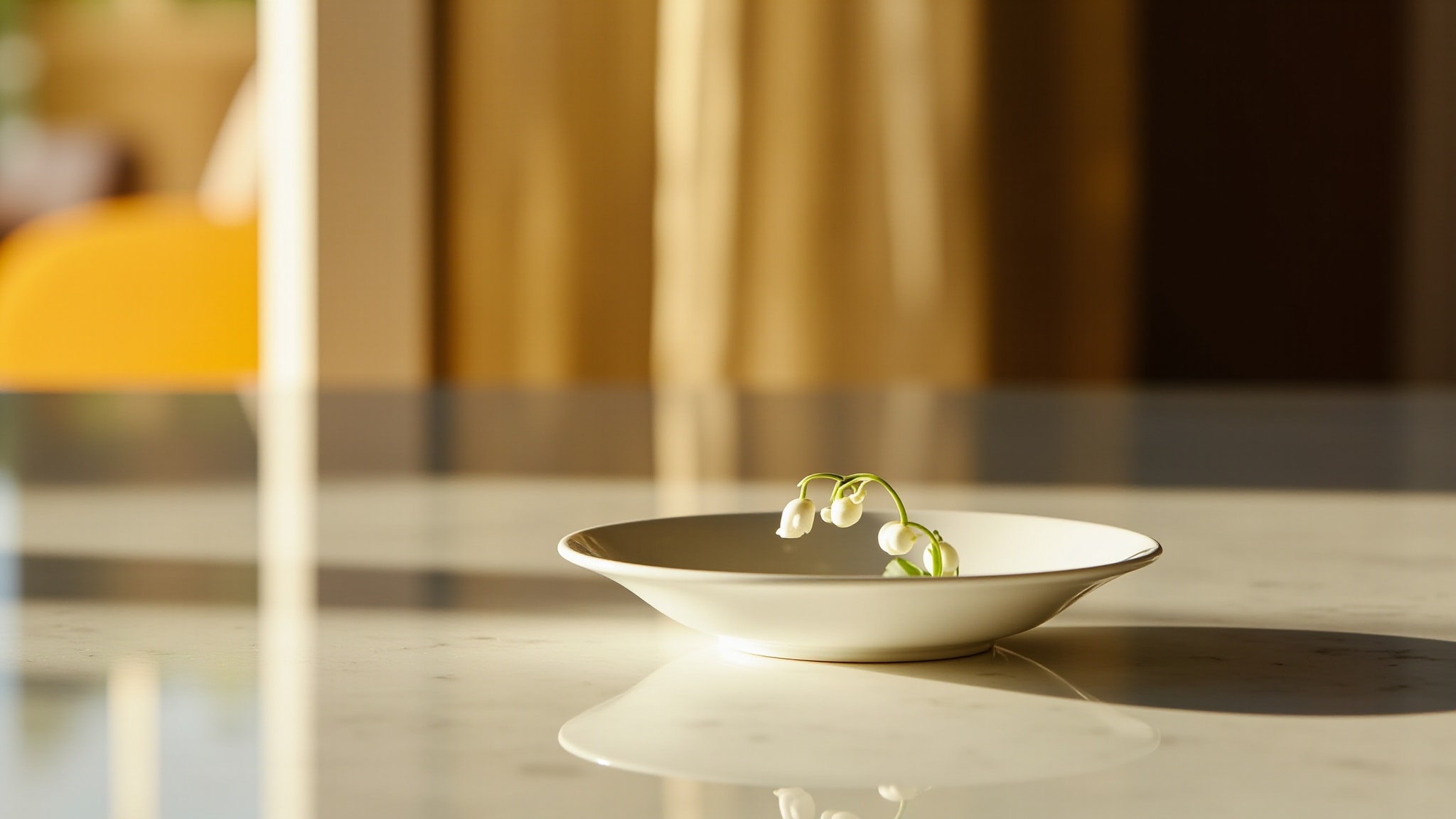
Aura arrives as a unisex fragrance that doesn't choose between aromatic intensity and skin-warm comfort. The brief was simple on paper, bergamot, lily of the valley, ambergris, ambrette seed, white musk, amber, sandalwood, but the execution required these materials to actually argue with each other, not just coexist. Bergamot and ambrette seed are not natural bedfellows. One is bright, citrusy, almost bracing. The other is musky, subtly animalic, quiet and contemplative. Getting them to hand off gracefully without either dominating required the lily of the valley to act as translator, soft enough to bridge the bergamot's brightness, present enough to keep the ambrette seed from disappearing entirely into the background.
The inclusion of ambergris in the base is the decision that makes this worth discussing. Not as a novelty, ambergris appears in enough compositions, but because of what it does here. Ambergris brings a marine-animalic depth that prevents the drydown from reading purely powdery. White musk and ambrette seed could easily collapse into fabric-softener territory without it. The ambergris keeps the sandalwood honest, the amber grounded, the whole composition from floating off into abstraction.
The evolution
The opening announces itself. Bergamot arrives bright, citrusy, with an almost bracing intensity. Not gentle. Not trying to ease you in. This is the confrontation phase, and it lasts longer than some wearers expect. Twenty minutes, thirty, before the heart begins to soften the edges. The lily of the valley remains present through the heart, but it's a different character now, less bright, more meditative, working alongside the ambergris in a way that feels deliberate rather than accidental. By the two-hour mark, the base takes over. Ambergris, ambrette seed, white musk, amber, sandalwood. The sillage changes character here. What was projecting becomes intimate, close, skin-warm. But it doesn't disappear. The sandalwood and ambergris still linger on fabric hours later. The lily of the valley fades first. The ambergris fades last.
Cultural impact
The fragrance market has always grappled with questions about what constitutes value and whether craftsmanship and affordability can coexist. Aura participates in this broader conversation not by making grand statements but by existing as a counterexample to the assumption that a reasonable price tag means compromise. In fragrance communities, releases like this generate discussion about how perfumes are evaluated, whether price correlates with quality, and what it means for a scent to feel expensive versus actually costing a fortune.