
The Story
Why it exists.
The beginning
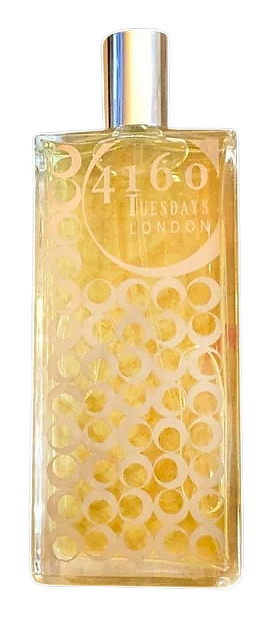
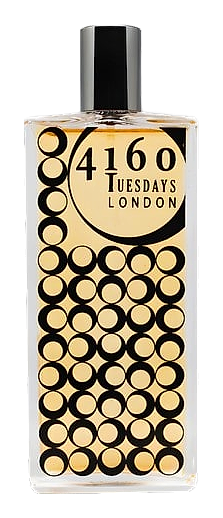
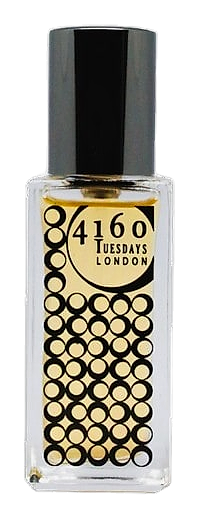
Sonnet No 1 arrived as a commission for the Barnes Fragrance Fair, with the name suggested by Gyles Brandreth after Shakespeare's Sonnet 1. The concept was deceptively simple: the smell of Shakespeare's flowers. Not historical recreation, but an evocation, what might have grown in those gardens, absolute and essential oil both. Sarah McCartney was invited to the Brandreths' house in Barnes, where she was fed tea and joined in conversation about which flowers the Bard would have known. The exchange shaped a brief that became this fragrance.
The materials here are deliberately unconventional. Beeswax absolute is waxy and honeyed in depth, a character that no synthetic replicates cleanly. Hay absolute brings a green, sun-warmed quality that reads as meadow rather than perfume. Bulgarian rose otto contributes a honeyed, slightly camphoraceous depth. Together, they create something that smells like the source material, not an interpretation of it. White biotech musk keeps the whole composition skin-close and modern, present without being intrusive.
The evolution
The drydown is where Sonnet No 1 earns its name. What opens as beeswax and violet, a cool, waxy brightness, settles into something warmer, deeper, more floral. The Bulgarian rose comes forward, supported by lily and a whisper of narcissus. The beeswax doesn't disappear. It deepens, taking on richer weight as the minutes pass. The hay absolute announces itself, a green note that pulls the whole composition toward earth. The white biotech musk holds everything close to the skin for hours afterward. Not loud. Not trying. Present in the best possible way.
Cultural impact
The beeswax-hay-rose combination is unusual enough that it hasn't yet become a widely discussed reference point among fragrance communities. What it has found is a following among people drawn to its literary framing, the Shakespeare link gives it a story that outlives the first spray. In the wider world of niche perfumery, it sits comfortably in the tradition of English garden florals without mimicking them, offering a different kind of presence than more assertively composed fragrances.