Camille Goutal
Camille Goutal never planned to become a perfumer. She sold prints in a small Paris shop and wanted to fragrance them. That small ambition connected her to a world she would eventually inherit. As daughter of Annick Goutal, one of the first women to carve a serious career in French perfumery, Camille absorbed the craft before she ever formally learned it. She took her first formal role at the house in 1999, working as Aromatique Majeur, learning the architecture of fragrance from the inside. Today, as Artistic Director of Goutal, she carries forward her mother's founding principles while adding her own sensibility. She runs the house alongside childhood friend Isabelle Doyen, and together they operate from a boutique on rue Bachaumont, where the intimacy of the space mirrors the personal nature of their work. Camille did not simply step into a legacy; she built a relationship with it, learning its language before speaking it as her own.
The hits
Notable creations
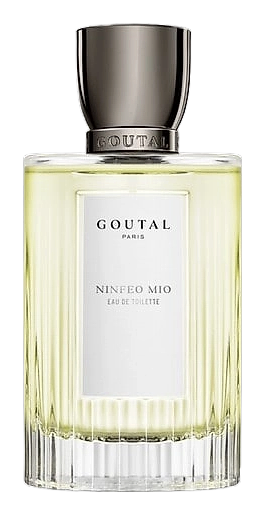
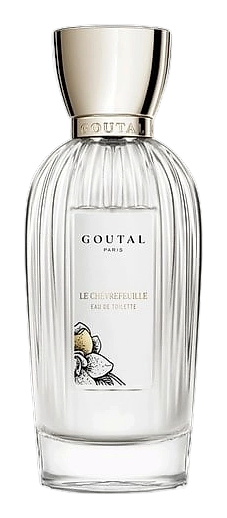
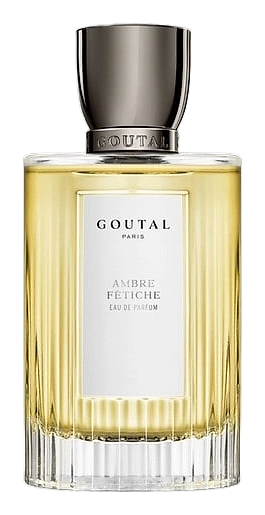
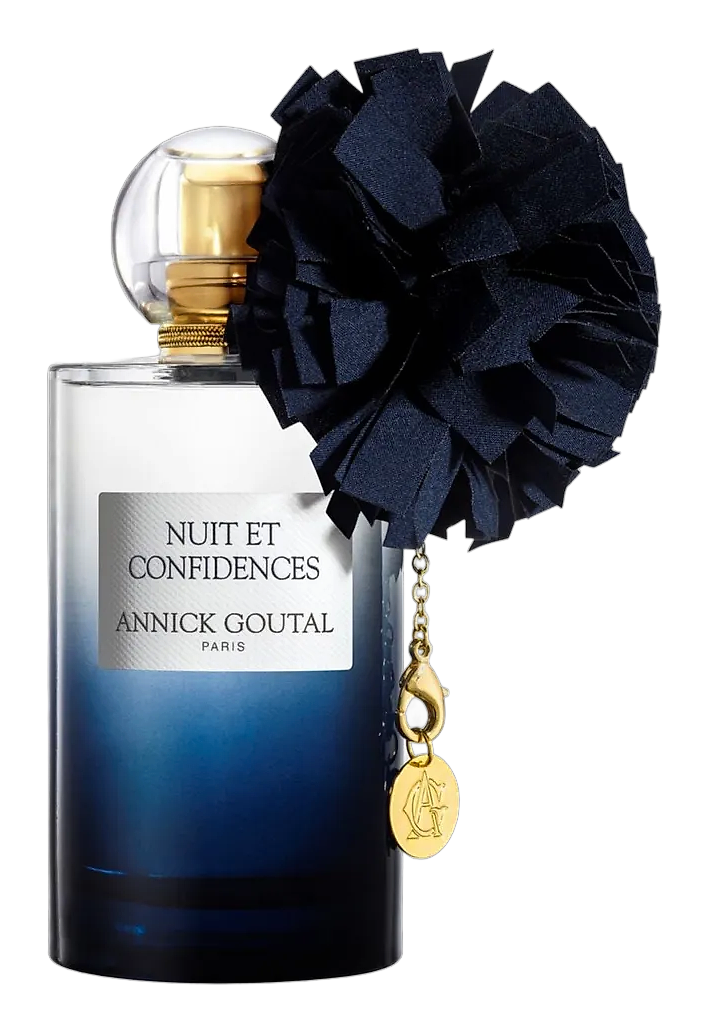
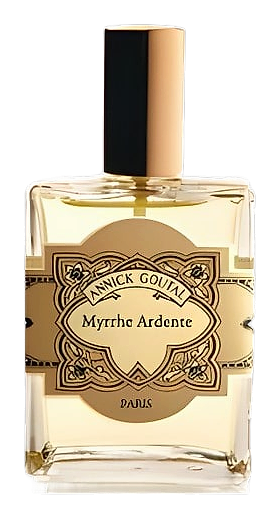
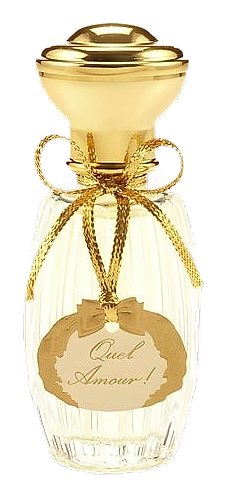
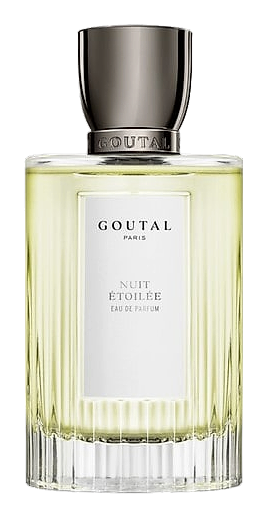
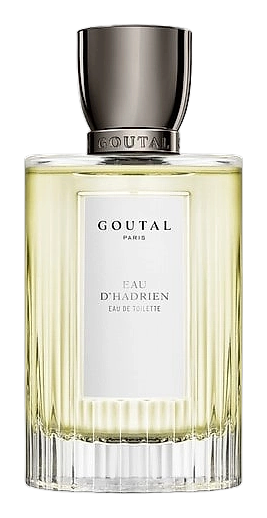
The signature
How Camille composes
Camille gravitates toward ingredients with narrative weight, florals that carry texture and depth rather than pristine clarity. Her creations often center on garden flowers and green notes, lending her work an organic, slightly wild quality. She favors compositions where individual materials remain distinguishable, where you can smell the honeysuckle rather than just a floral abstraction. Her collaboration with Isabelle Doyen influences this approach, with both perfumers drawn to natural materials that offer complexity and imperfection. The house laboratory holds approximately 1500 perfume materials, a collection that reflects their commitment to breadth and quality. Her style resists over-polishing in favor of something that feels discovered rather than constructed.
Philosophy
What drives Camille
Camille Goutal approaches fragrance as a form of emotional storytelling. She believes in the power of scent to capture memory, sensation, and the particular quality of a single moment. Her work with natural perfumery shapes this philosophy, pushing her toward ingredients that carry honest, living character rather than manufactured perfection. She has spoken about the challenges of natural perfumery openly, acknowledging that working with real materials means accepting variability and imperfection. That honesty appeals to her. She does not chase trends or try to outpace the market. She builds perfumes the way her mother did, from instinct and emotional truth, asking first what a fragrance should feel like before considering what it should contain.
The houses