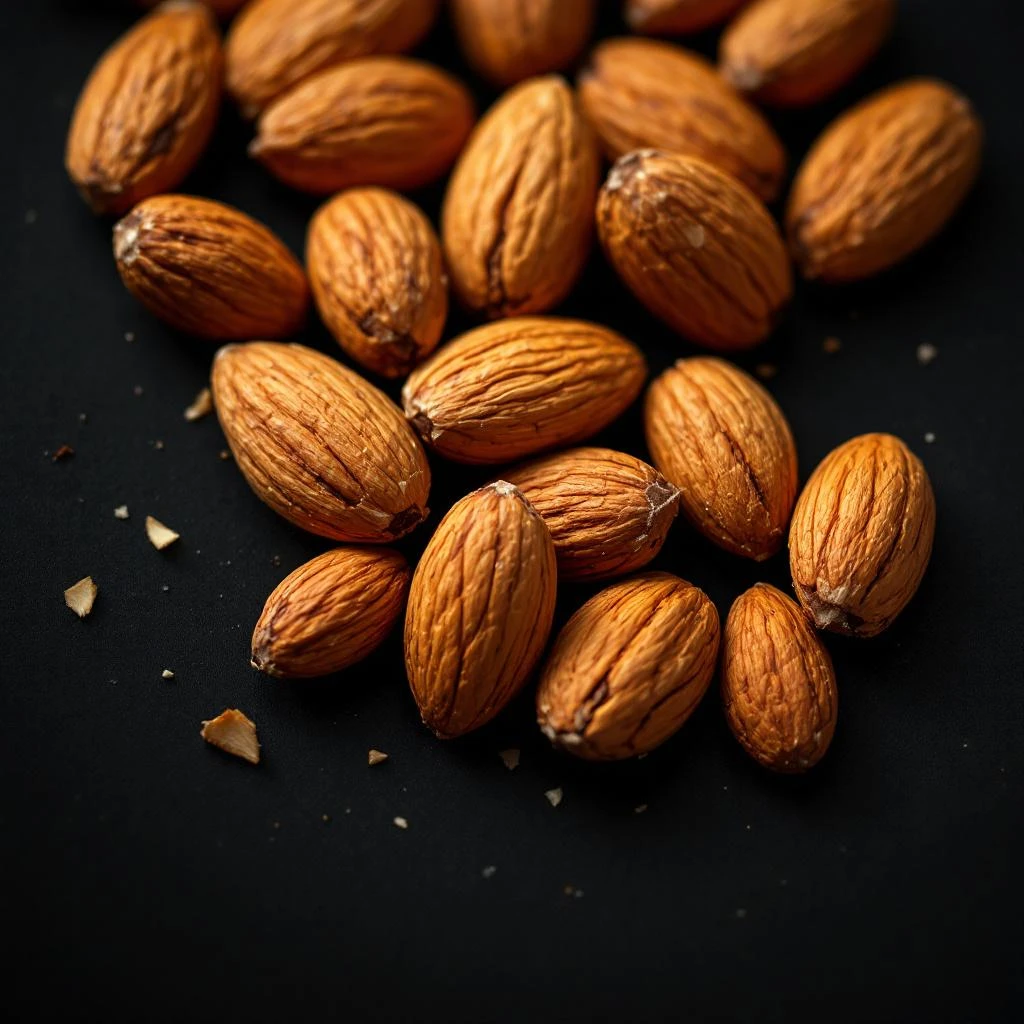
Yeast Dough
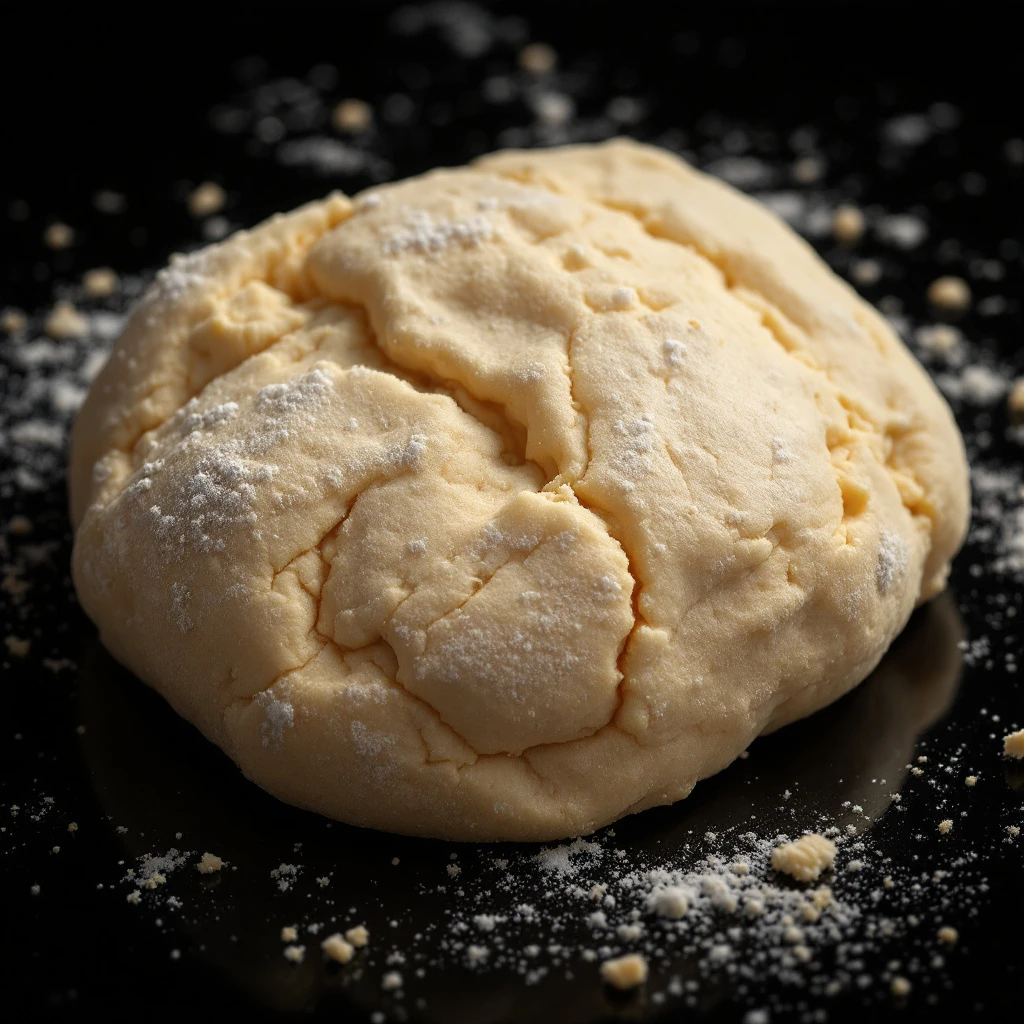
Yeast dough brings the warm, rounded aroma of freshly baked bread into perfumery. This synthetic note bridges culinary and aromatic worlds, capturing that irresistible moment when dough transforms in the oven's heat.
Character
How it smells
Bread's aroma, bottled for fragrance
Perfumers blend over a dozen aromatic compounds to recreate authentic bakery warmth in a single yeast dough note.
Pairs beautifully with
Origin
France
While perfumers began crafting bread-like aromas in the late 20th century, humans have worked with yeast for roughly 5,000 years. Ancient Egyptians discovered fermentation around 3000 BCE, using wild yeast to leaven bread and brew beer. They considered yeast a gift from the gods, noting its mysterious ability to transform simple flour and water into risen dough.
The concept of bringing food aromas into perfume only emerged in the 1980s with the gourmand movement. Before this, perfumers avoided edible notes as inappropriate. The success of fragrances featuring chocolate, vanilla, and bread opened doors for bread-like accords. Today, yeast dough appears across fragrance families, valued for its warm, comforting quality that connects to universal human experience.
Wears it best
Fragrances featuring Yeast Dough
Brands
Brands known for Yeast Dough
Good to know
Questions, answered
The essentials on Yeast Dough in perfumery: how it smells, where it comes from, and how it behaves on skin.
What is yeast dough as a fragrance note?
Yeast dough is a synthetic perfume accord that recreates the warm, slightly sour aroma of fresh bread dough. Perfumers construct it from multiple aromatic compounds rather than extracting it from actual dough.
When did perfumers start using bread-like aromas?
Bread and bakery notes became common in perfumery during the 1980s gourmand movement, though the specific yeast dough accord emerged later as analytical techniques improved.
Is yeast dough natural or synthetic?
Yeast dough is always synthetic. Natural yeast produces fermentation aromas, but perfumers recreate these characteristics using lab-synthesized compounds for consistency.
What scent family uses yeast dough most often?
Oriental and gourmand fragrances most commonly feature yeast dough. It also appears in some modern fougère and fresh fragrance compositions as a warm base note.
How long has yeast been used by humans?
Archaeological evidence shows Egyptians used yeast at least 5,000 years ago for bread and beer, making it one of humanity's oldest cultivated microorganisms.
Can yeast dough cause allergic reactions?
Synthetic production allows perfumers to avoid common allergens. The accord is formulated without the proteins that cause dietary yeast allergies.
What notes pair well with yeast dough?
Yeast dough combines naturally with vanilla, tonka bean, and caramel for sweet effects, or with woody and ozonic notes for unexpected contrast.
Is yeast dough a single ingredient or an accord?
Yeast dough is an accord, a carefully blended combination of multiple aromatic molecules designed to evoke a specific natural smell.