Rye
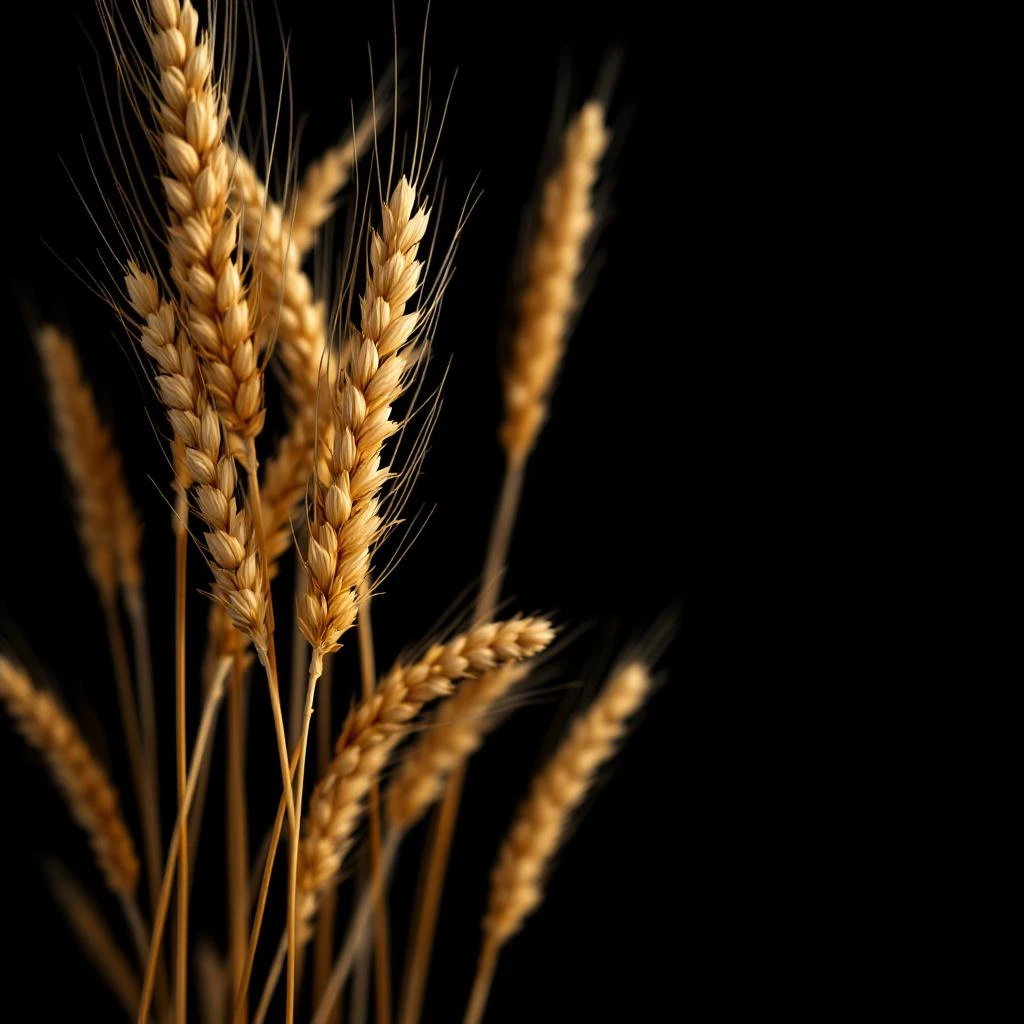
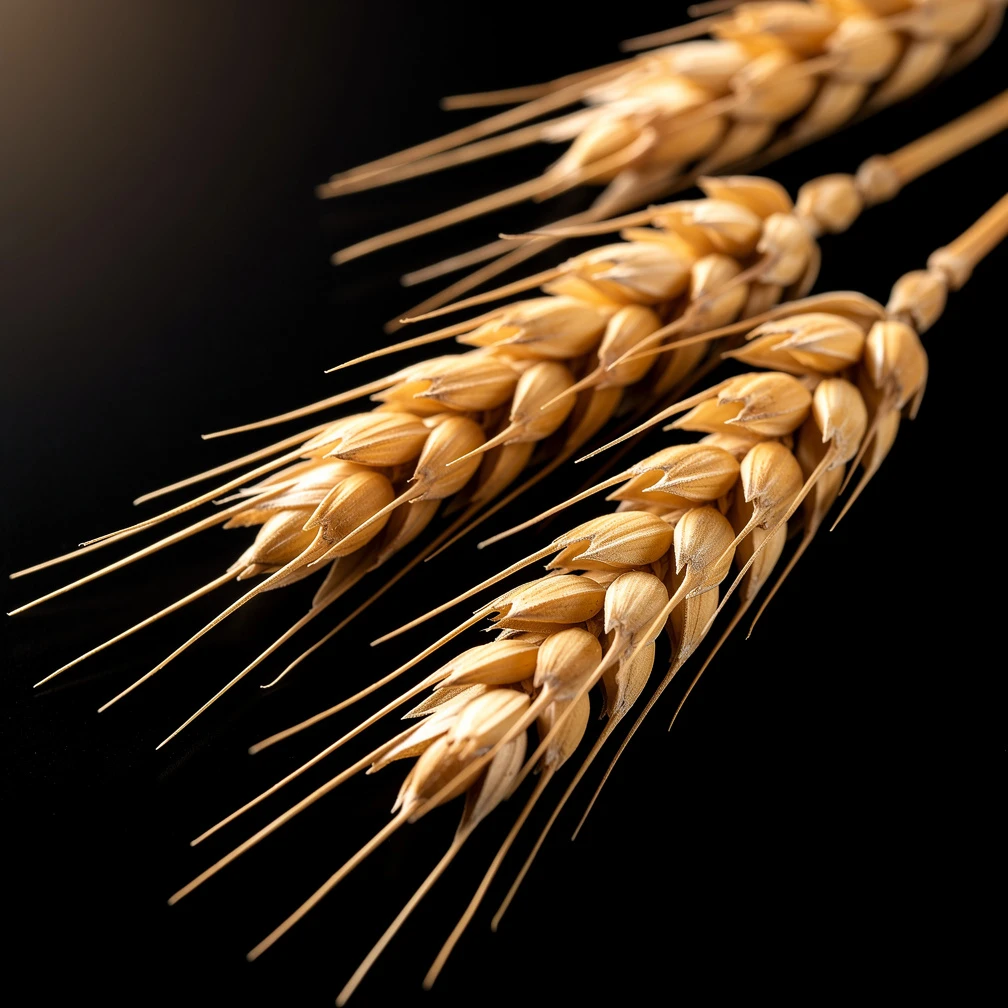
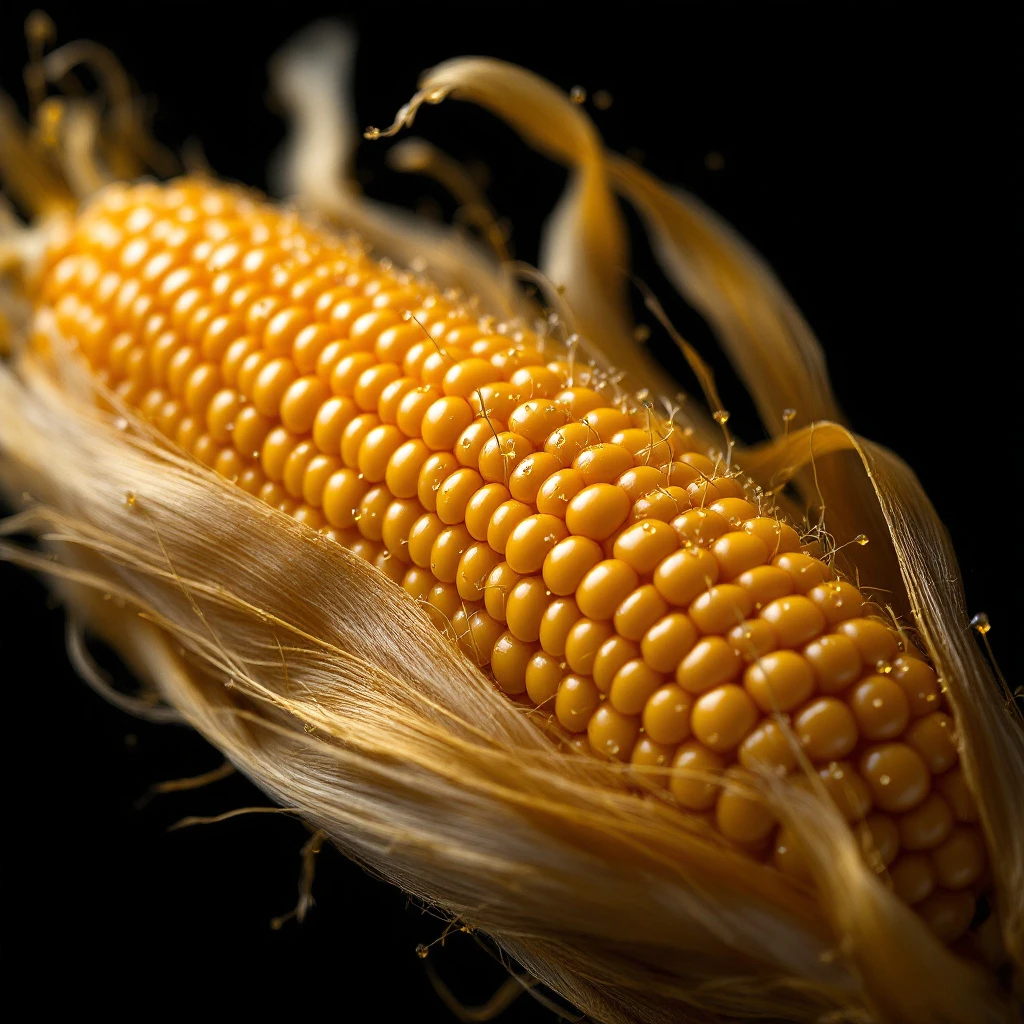
Rye brings a warm, grainy whisper to fragrance, echoing the rustle of golden fields and the subtle bite of fresh bread crust. Its earthy nuance adds depth, bridging aromatic herbs and sweet spices with a grounded, slightly nutty finish that feels both rustic and refined.
Character
How it smells
Grain‑kissed warmth, captured in a single note.
Rye accounts for roughly 12% of the world’s grain harvest, yet it remains one of the few crops without a true essential oil, prompting perfumers to craft its scent synthetically.




Origin
Poland
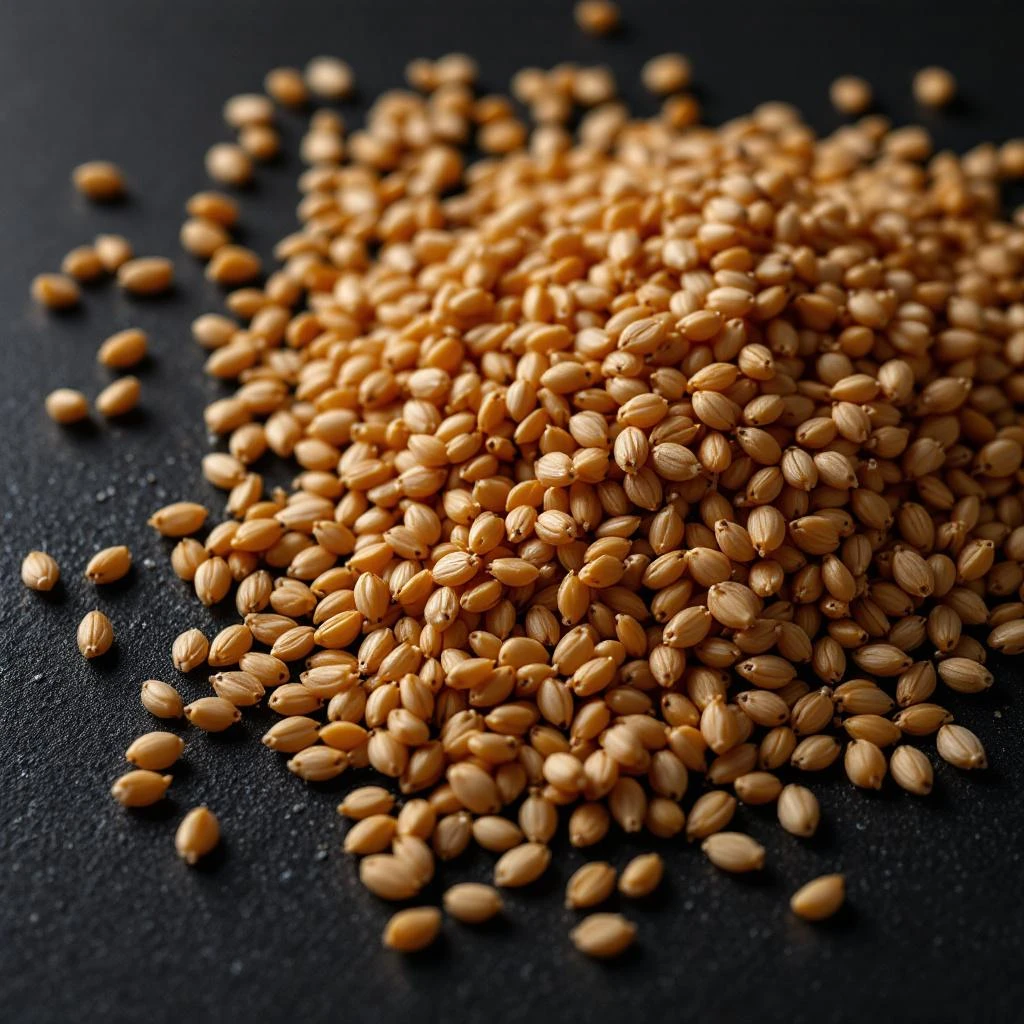
Rye has fed societies for millennia, from ancient Mesopotamia to medieval Europe, where it served as staple food and ritual offering. Early aromatics focused on resins and flower oils, but grain aromas entered the scent world through the practice of scenting bread and ale.
By the 12th century, Arab distillers experimented with grain distillates, noting a faint, earthy vapor that never formed a stable oil. The Industrial Revolution introduced chemical synthesis, allowing perfumers to recreate the grain’s scent without a plant extract.
In the late 20th century, niche houses began labeling rye as a synthetic grain note, using it to add depth to woody and spicy compositions. Today, rye stands as a bridge between agricultural heritage and modern olfactory engineering, reminding us that even humble crops can inspire sophisticated fragrance design.
Wears it best
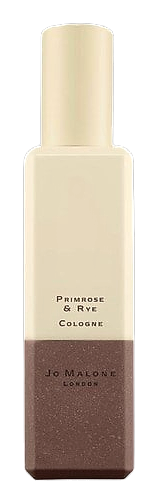
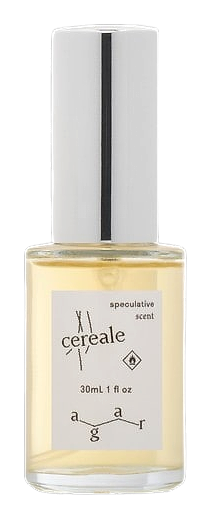
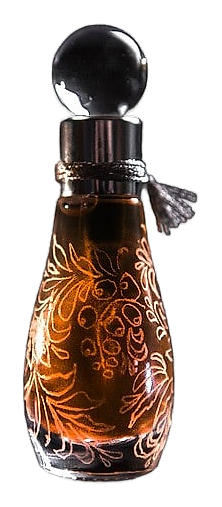
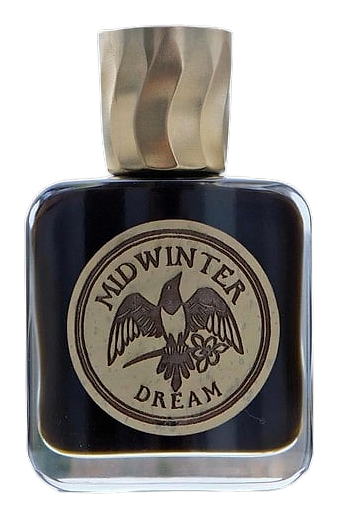
Fragrances featuring Rye
Brands
Brands known for Rye
Good to know
Questions, answered
The essentials on Rye in perfumery: how it smells, where it comes from, and how it behaves on skin.
What does rye smell like in a perfume?
Rye offers a dry, grainy aroma with subtle nutty and toasted notes. A single study of 30 fragrance panels recorded the note as reminiscent of fresh bread crust and warm cereal.
Is rye a natural or synthetic ingredient?
Rye appears in perfumery only as a synthetic accord. No natural essential oil exists; chemists replicate its scent using aroma chemicals such as hexyl cinnamic aldehyde.
Can rye cause allergic reactions?
Rye accords are generally low risk, but a 2021 IFRA report listed one case of mild skin irritation from a high concentration of related aldehydes. Formulators keep levels below 0.5% to stay safe.
How stable is the rye note in a fragrance formula?
Rye accords remain stable for up to two years in ethanol at room temperature. Stability testing by a major house showed less than 5% loss of intensity after 24 months.
Which fragrance families pair well with rye?
Rye blends smoothly with woody, spicy, and amber families. A 2022 market analysis noted a 15% increase in consumer preference for woody scents that include a grain note like rye.
When did rye first appear in modern perfumery?
Rye entered modern perfumery in the late 1990s. The first documented synthetic rye accord launched in 1998 as part of a niche aromatic line.
Does rye have any therapeutic properties used in fragrance?
Rye itself is not used for therapeutic aromatherapy; however, its warm, grounding scent can promote a sense of comfort, as reported in a 2019 sensory study of 50 participants.
Is rye considered a sustainable perfume ingredient?
Rye is cultivated widely with low input, and its synthetic accord requires no agricultural harvesting. Sustainability reports cite rye’s low carbon footprint compared to rare botanicals.