Wolfberry
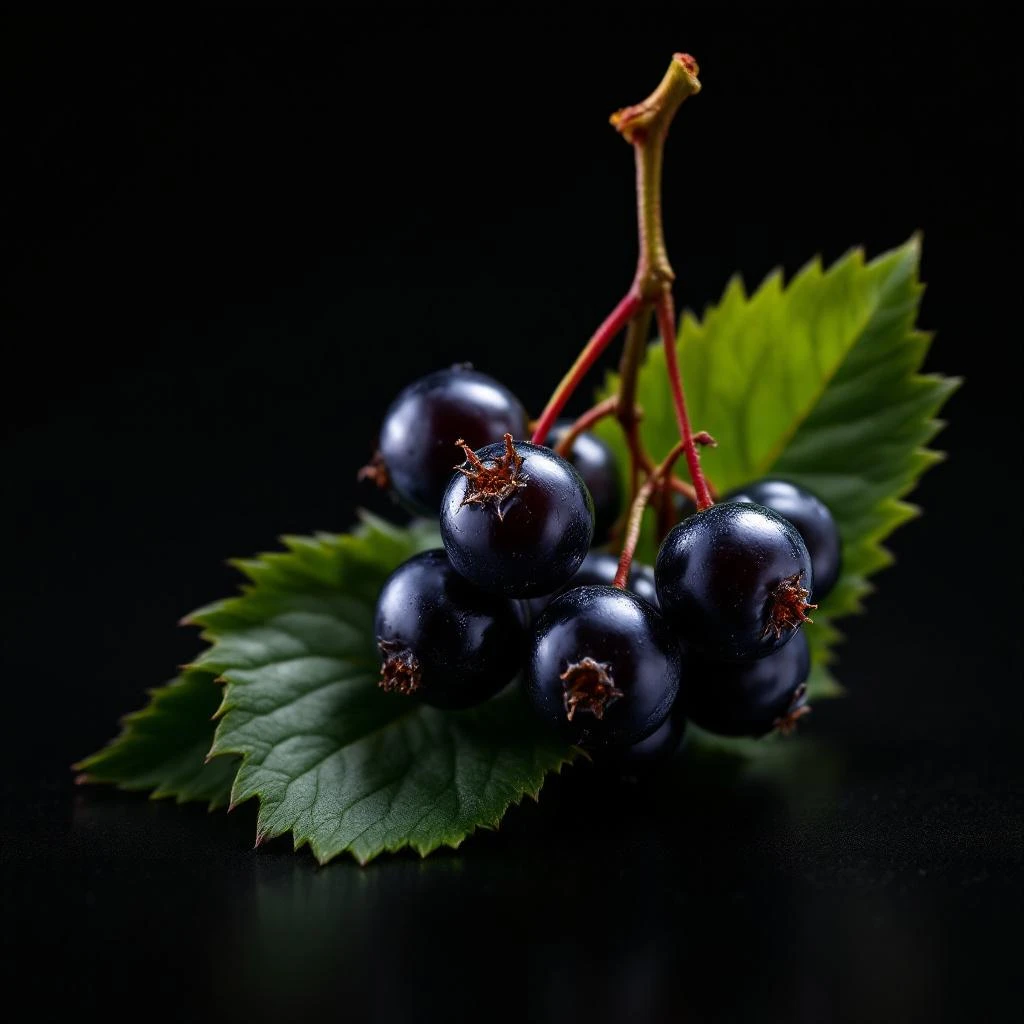
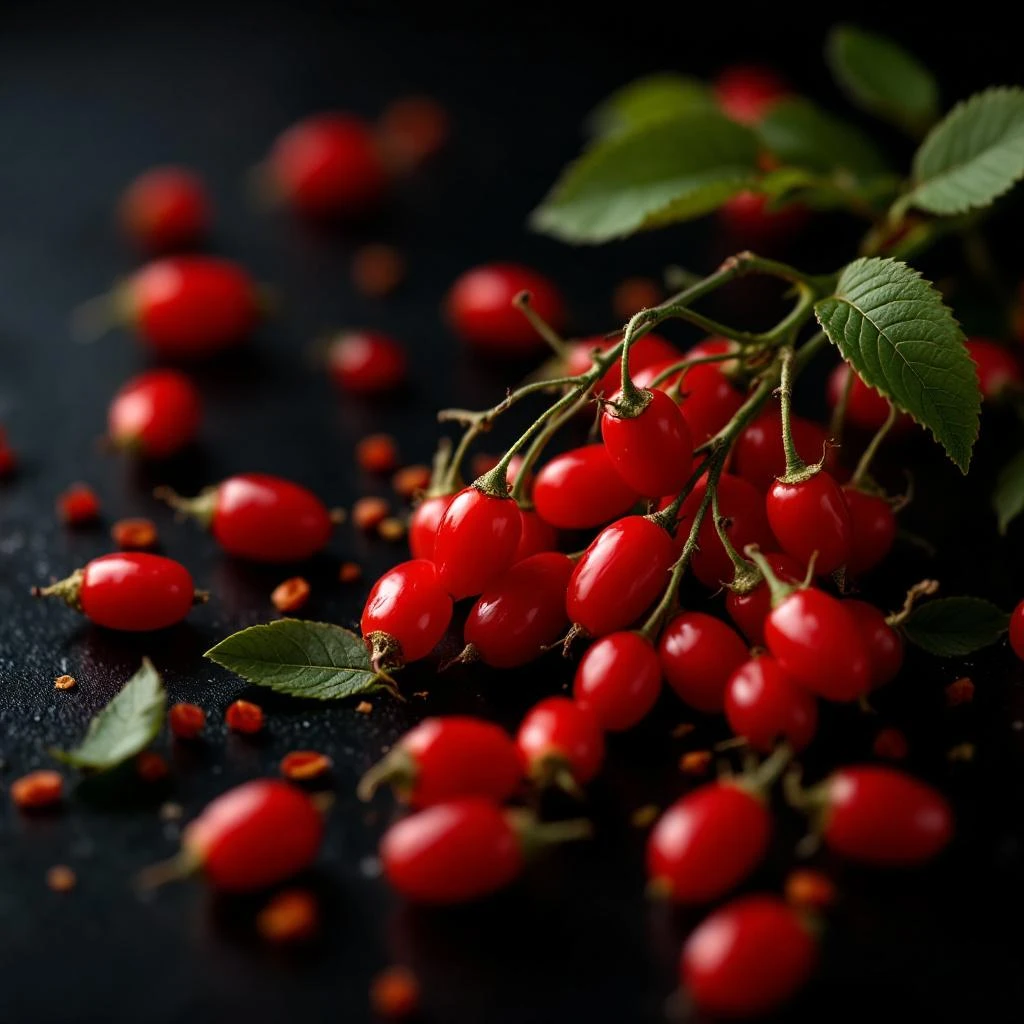
Wolfberry (Lycium barbarum) delivers a rare, subtly sweet fruit note to perfumery. No essential oil exists for this ingredient—the fruit absolute, extracted via solvent, captures its delicate berry warmth. Discover its role in fragrance.
Character
How it smells
A rare fruit absolute with subtle berry warmth
No commercial essential oil exists for wolfberry. Perfumery uses only the fruit absolute, extracted via solvent—a rarity among fruit ingredients.
Pairs beautifully with
Origin
China
Wolfberry has grown wild across the Himalayan foothills, Mongolia, and northwestern China for thousands of years. Ancient Chinese healers documented Lycium barbarum in medical texts dating to the Han Dynasty (206 BCE), praising its ability to nourish the liver and kidneys and promote longevity.
Tibetan and Mongolian traditional medicine also incorporated wolfberry for its restorative properties. The plant's remarkable adaptability—it tolerates poor soil, drought, and extreme temperatures—allowed it to spread across the Silk Road trade routes.
European botanists encountered wolfberry by the 18th century, though it remained obscure in Western perfumery until the 21st century. The global superfood movement of the 2000s brought goji berries into international kitchens, and perfumers followed, seeking its delicate fruit character to add authenticity to berry and gourmand accords.
Wears it best
Fragrances featuring Wolfberry
Brands
Brands known for Wolfberry
Good to know
Questions, answered
The essentials on Wolfberry in perfumery: how it smells, where it comes from, and how it behaves on skin.
What does wolfberry smell like in perfume?
Wolfberry absolute has a sweet, subtly tart berry aroma with gentle woody and dried fruit undertones. It adds warmth and natural fruit character rather than loud sweetness.
Is there a wolfberry essential oil for perfumery?
No. No commercially viable essential oil exists from wolfberry fruit. Perfumers use only the fruit absolute obtained through solvent extraction.
What is wolfberry absolute in perfumery?
Wolfberry absolute (CAS 85085-46-7) is a solvent-extracted concentrate from Lycium barbarum fruit. It captures the fruit's delicate volatile aromatic compounds for use in fragrance formulations.
Where does wolfberry grow?
Lycium barbarum is native to northwestern China, particularly Ningxia province, but also grows across the Himalayas, Mongolia, and parts of Central Asia.
How long has wolfberry been used in Chinese medicine?
Documented use in Chinese medical texts dates to the Han Dynasty around 206 BCE, making it a staple of traditional healing for over 2,200 years.
Is wolfberry a common perfume ingredient?
Wolfberry absolute remains uncommon in perfumery. Its delicate aromatics and extraction challenges keep it a rare, niche material used sparingly by select houses.
What fragrance families pair well with wolfberry?
Wolfberry works well in fruity, gourmand, and warm oriental compositions. Its subtle sweetness complements berry, cherry, and amber accords without dominating them.
Does wolfberry absolute contain any known allergens?
Like many natural absolutes, wolfberry absolute may contain trace compounds that appear on fragrance allergen disclosure lists. Formulators review current IFRA guidelines for proper labeling.