White Wine Sangria
White Wine Sangria captures the festive spirit of Mediterranean refreshment in a bottle. This aromatic note blends crisp white wine, citrus zest, and ripe orchard fruits for a sparkling, convivial character that brightens any composition it joins.

Character
How it smells
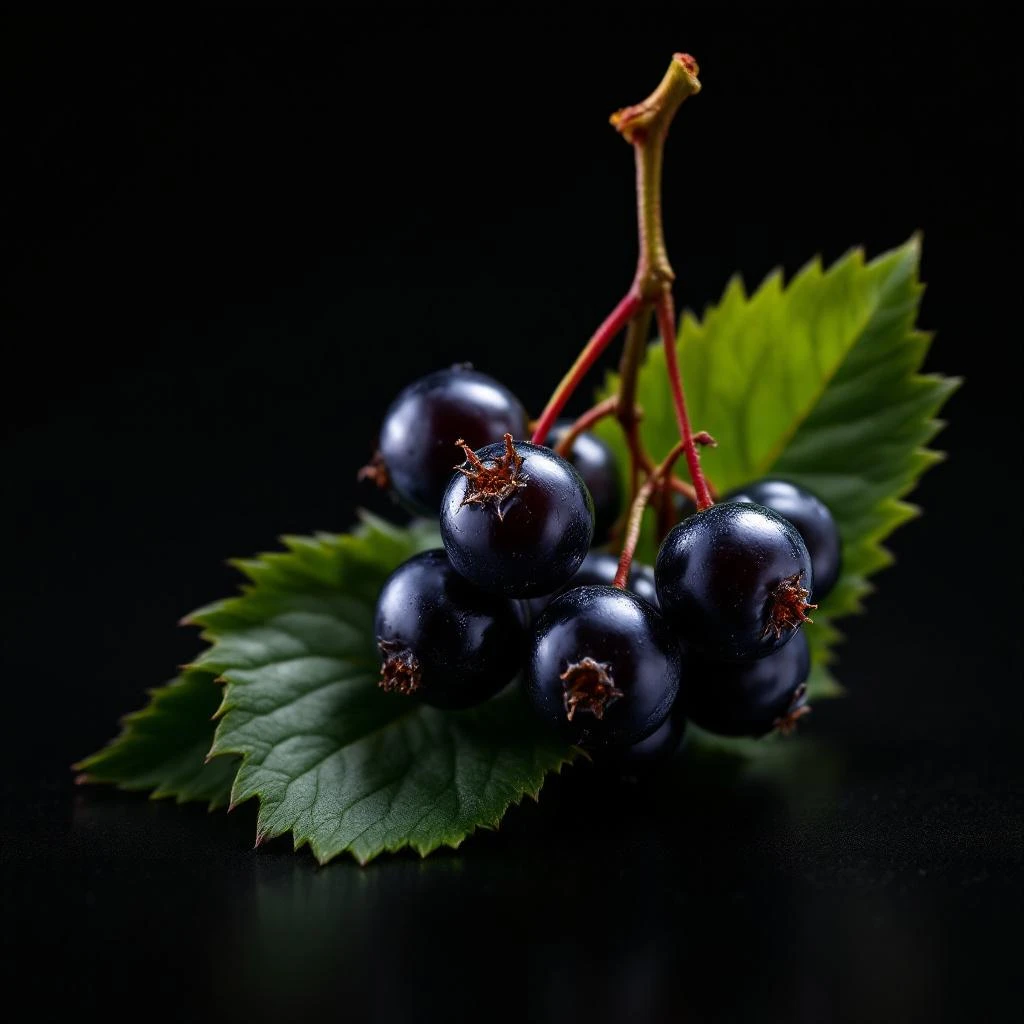
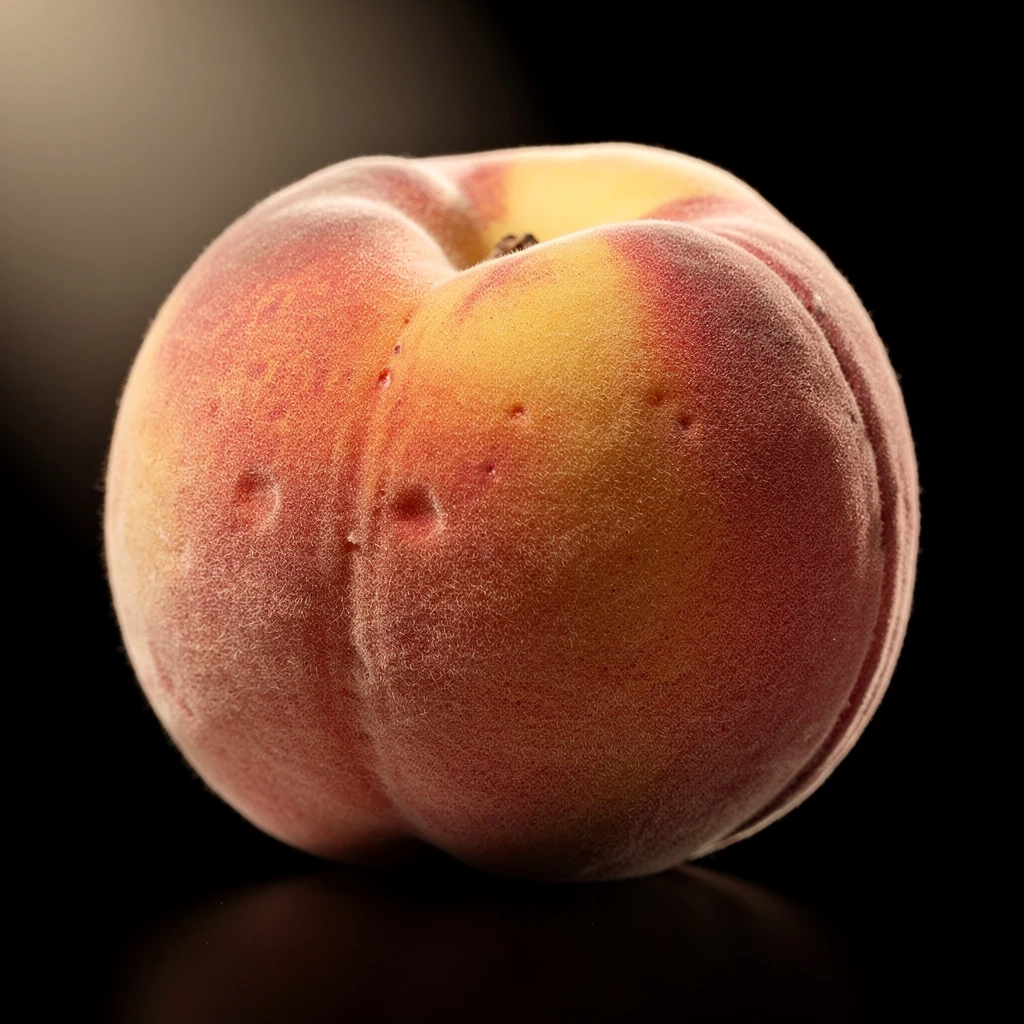
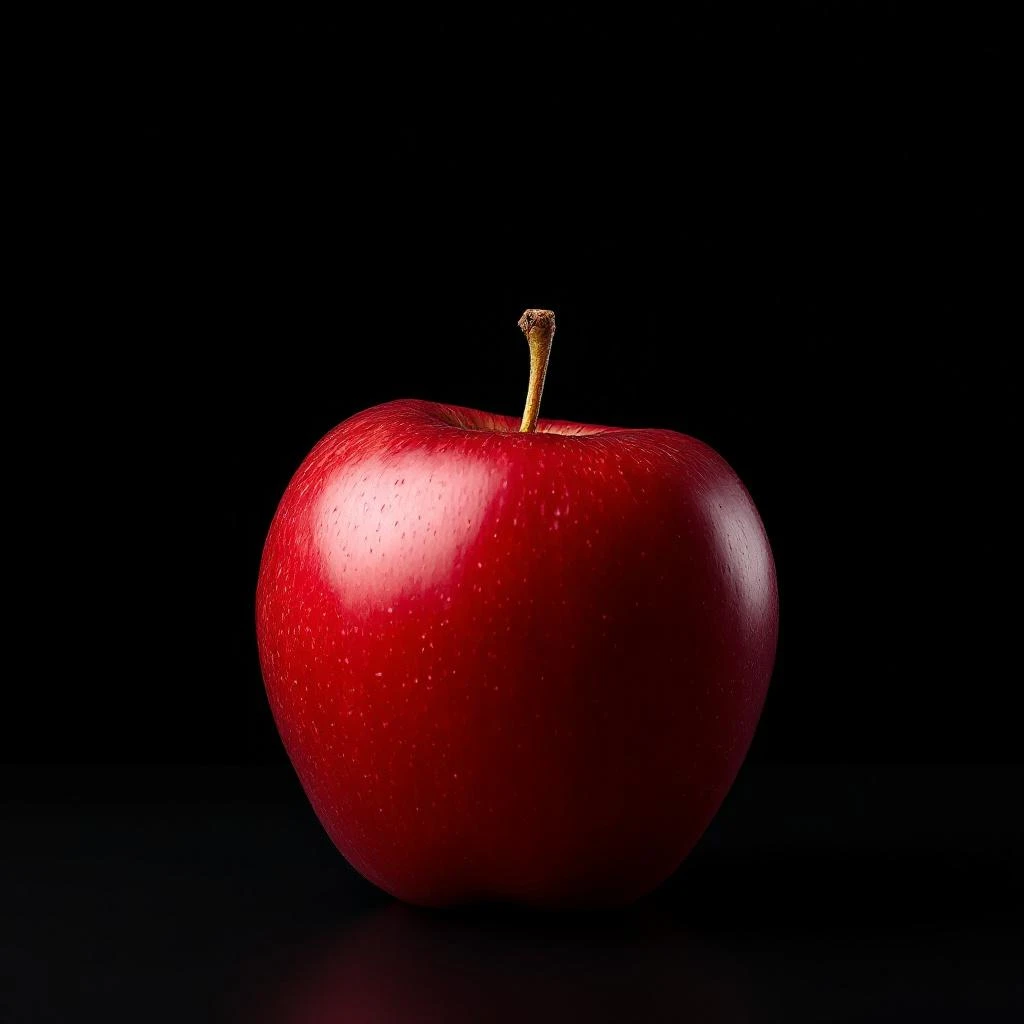
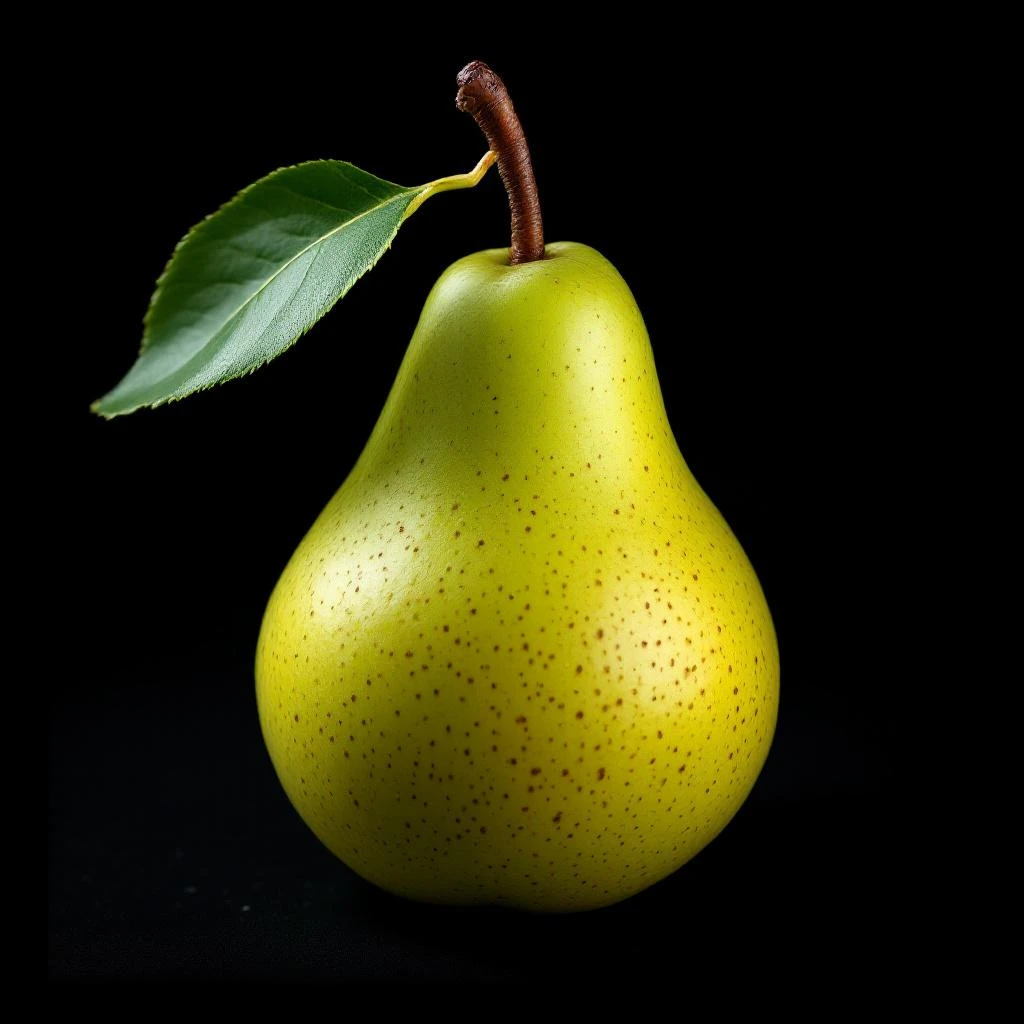
Sun-soaked orchard meets sparkling wine
The word sangria may trace back to the Sanskrit term sakkari, meaning sugared wine, predating its Iberian origins by millennia.
Pairs beautifully with
Origin
Spain
Sangria traces its origins back over 2,000 years to the Roman Empire, where early versions combined water, wine, and herbs. The drink evolved through the Iberian Peninsula, particularly Spain and Portugal, where local winemakers began adding chopped fruit and spices to mask the harshness of inexpensive table wines. The name sangria may derive from the Spanish word sangre, meaning blood, referencing the deep red hue of traditional recipes, though some etymologists link it to the Sanskrit sakkari for sugared wine.
By the 18th century, sangria had become a celebrated Spanish tradition, with white wine variations emerging alongside the classic red. In perfumery, wine and cocktail accords gained traction in the late 20th century as GC-MS analysis and headspace technology allowed perfumers to deconstruct complex beverages into their aromatic building blocks. Today, white wine sangria notes appear in bright, summery fragrances that evoke Mediterranean leisure, fruit-forward cocktail culture, and the convivial spirit of outdoor gatherings.
EU regulations still restrict the label sangria to products from Spain and Portugal, but in fragrance, the name evokes the essence of celebration across borders.
Wears it best
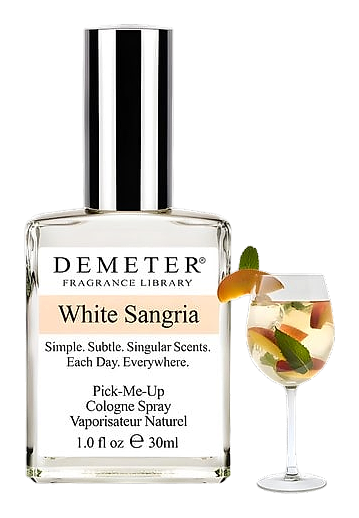
Fragrances featuring White Wine Sangria
Brands
Brands known for White Wine Sangria
Good to know
Questions, answered
The essentials on White Wine Sangria in perfumery: how it smells, where it comes from, and how it behaves on skin.
What does white wine sangria smell like in fragrance?
White Wine Sangria combines crisp white wine notes with citrus zest, peach, and orchard fruits. The result is bright, sparkling, and slightly effervescent with a juicy, sun-warmed character that feels refreshing and festive.
Is white wine sangria a natural or synthetic fragrance note?
It is typically a synthetic accord. Perfumers reconstruct the scent using aroma chemicals like isoamyl acetate and citrus essential oils, since distilling actual wine produces minimal usable aromatic material.
Where does sangria originally come from?
Sangria originated in Spain and Portugal over 2,000 years ago, evolving from Roman wine-and-herb mixtures. The modern fruit-forward version was refined in Spain by the 18th century.
What fragrance families use white wine sangria notes?
White Wine Sangria appears most often in fruity and fresh fragrance families, particularly in summer and unisex compositions. It also supports gourmand and citrus-forward blends seeking a sparkling, festive edge.
How do perfumers create a wine note without actual wine?
Perfumers use specific esters, aldehydes, and fermentation-derived isolates to mimic wine's sharp fruity character. Headspace technology and natural citrus oils add aromatic complexity and brightness.
Why are wine notes tricky in perfumery?
Wine is mostly water and ethanol, yielding almost no useful essential oil through distillation. Perfumers must reconstruct the aroma chemically, balancing stability with the volatile, fruity character of fresh wine.
Is white wine sangria safe to wear on skin?
Yes, fragrance accords containing white wine sangria notes are formulated to be skin-safe and IFRA-compliant. The individual aroma materials used are tested for dermal safety at permitted concentrations.
What other notes pair well with white wine sangria?
White Wine Sangria pairs beautifully with bergamot, mandarin, white peach, and jasmine. It also complements deeper bases like sandalwood, vanilla, and amber for added warmth and complexity.