White Camelia
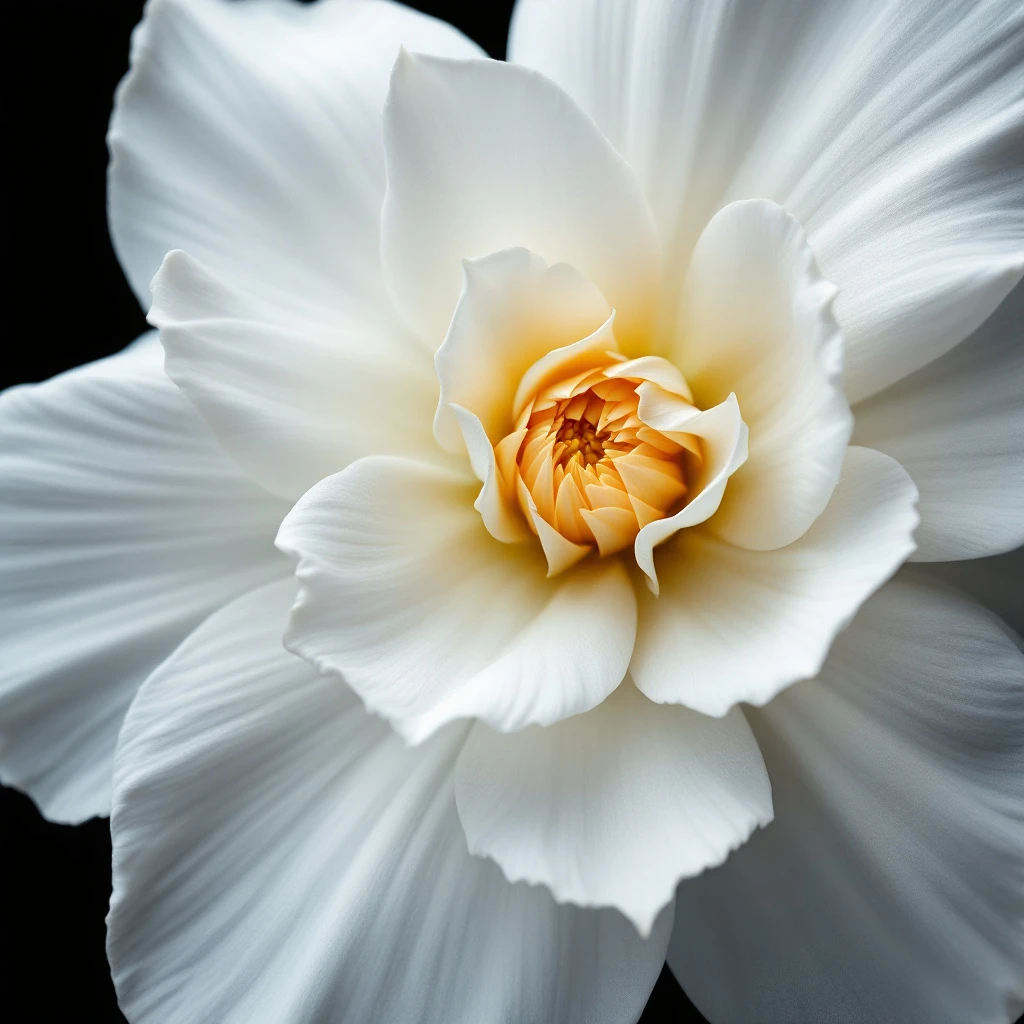
White Camellia brings a refined, tea-like elegance to perfumery. Though the fresh flower yields no extractable oil, modern synthesis recreates its delicate floral character with remarkable precision.
Character
How it smells
Delicate tea-floral elegance without natural oil.
Camellia flowers contain so little aromatic oil that perfumers rely entirely on synthetic reconstruction to capture their scent.





Origin
Japan
Camellia japonica originated in East Asia, where it has symbolized enduring beauty since the Tang Dynasty. Japanese artisans prized the flower for cosmetics and hair treatments long before European perfumers took notice.
The flower arrived in European botanical gardens in the 18th century, becoming a symbol of refinement in aristocratic circles. Perfumers first attempted to capture its scent in the early 20th century, but the complete absence of extractable oil frustrated their efforts for decades.
Only with advances in molecular chemistry could the subtle, tea-like character of white camellia enter the perfumer is palette. Today it represents a bridge between natural inspiration and laboratory precision.
Wears it best
Fragrances featuring White Camelia
Brands
Brands known for White Camelia
Good to know
Questions, answered
The essentials on White Camelia in perfumery: how it smells, where it comes from, and how it behaves on skin.
Is White Camellia a natural or synthetic ingredient?
White Camellia is synthetic. The fresh flower produces no extractable aromatic oil, so perfumers reconstruct its scent using laboratory-produced compounds that mirror the blossom is molecular profile.
What does White Camellia smell like?
White Camellia smells like a delicate floral with tea-like and slightly green undertones. The scent is softer than jasmine, less heady than tuberose, and carries a clean, creamy quality that reads as sophisticated rather than heavy.
How does White Camellia differ from other white flowers in perfumery?
White Camellia differs from jasmine or gardenia by lacking their indolic depth. It projects a lighter, cleaner profile with subtle sweetness. The reconstructed version offers consistency that natural extracts cannot guarantee batch to batch.
Which fragrance families use White Camellia?
White Camellia appears primarily in modern chypre, floral, and powder accords. Perfumers favor it in contemporary fragrances where they want white floral softness without the heaviness of traditional floral bouquets.
Does White Camellia last long on skin?
White Camellia functions as a heart or top note rather than a base anchor. Its molecules evaporate at a moderate rate, giving fragrances an initial floral softness that fades within two to four hours depending on the formula.