Wasanbon Sugar
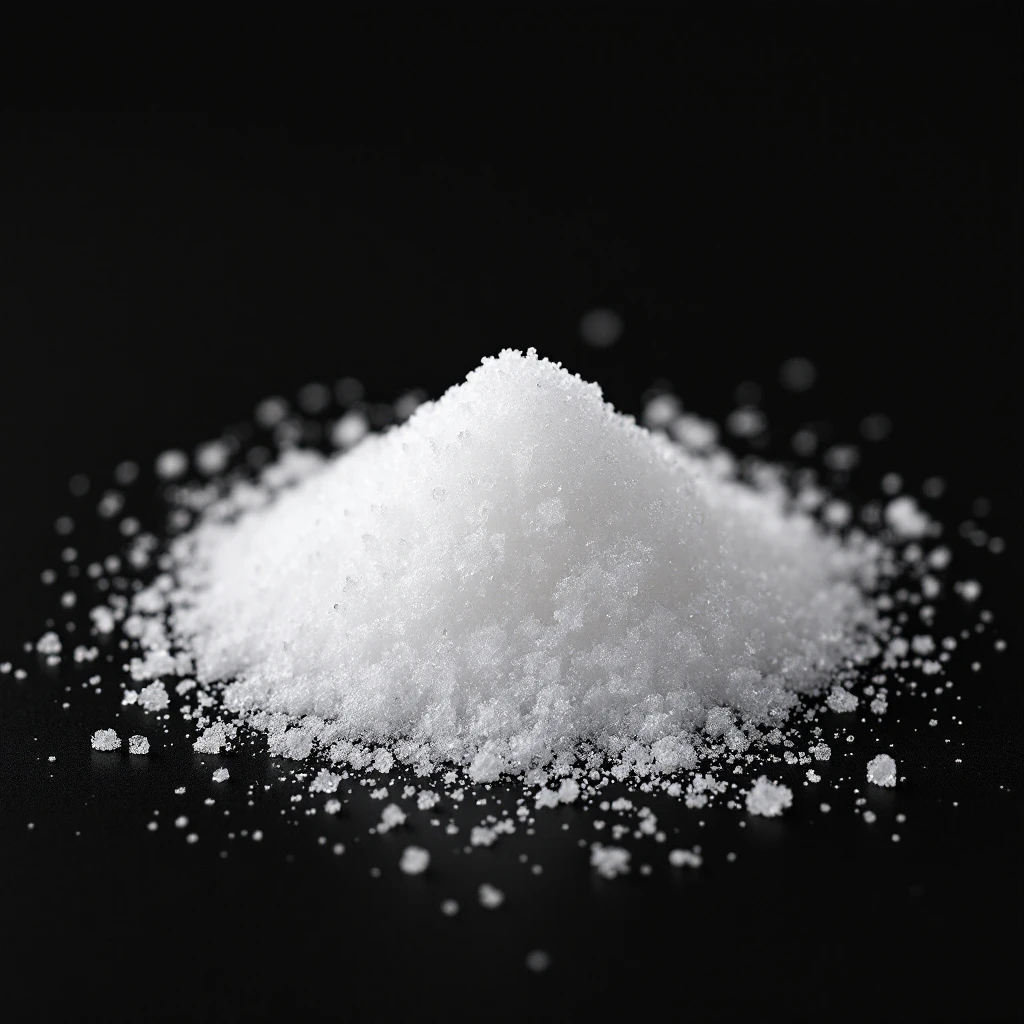
Wasanbon sugar brings a whisper of refined sweetness to perfumery, carrying the gentle warmth of hand-crafted Japanese tradition. Its aroma hints at toasted caramel, dried hay, and a clean mineral edge that settles softly on the skin.
Character
How it smells
Sweetness refined by two centuries of patient hands.
Wasanbon is made from chikutou, a sugarcane variety found almost exclusively in the Shikoku region, and production requires roughly two weeks of repeated pressing and drying cycles by hand.
Pairs beautifully with
Origin
Japan
Wasanbon sugar traces its origins to the early 18th century, when Tokugawa Yoshimune, the eighth shogun of the Edo period, encouraged sugar cultivation in southern Japan as part of his policies to strengthen domestic agriculture. While sugarcane had been grown in the Shikoku region since at least the 1700s, the distinctive wasanbon technique emerged around this time as refiners in the Tokushima and Kagawa prefectures refined the raw kokuto sugar into something finer and more delicate than anything else produced in Japan. The name itself, written 和三盆, combines the character for Japan (wa) with characters meaning "three" and "tray," a reference to the layered wooden trays once used during pressing.
During the Edo period, when Japan maintained a policy of national isolation, wasanbon became a prized luxury reserved for samurai households, tea masters, and the imperial court. It found a natural home in wagashi, the traditional confections served during tea ceremonies, where its subtle sweetness complemented matcha rather than overpowering it. Though modern industrialization threatened traditional methods after the Meiji Restoration, small cooperatives in Shikoku preserved the craft.
Today, only a handful of artisan workshops continue full-scale production. Its introduction into perfumery reflects a growing appreciation for edible ingredients that carry cultural memory as well as scent.
Wears it best
Fragrances featuring Wasanbon Sugar
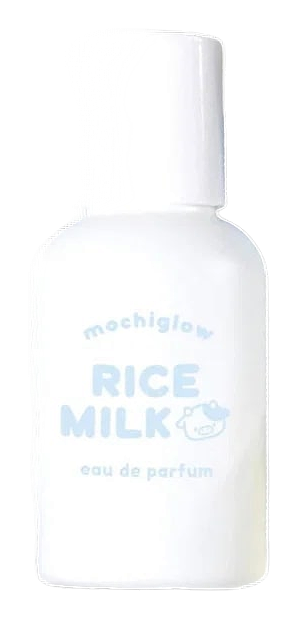
Brands
Brands known for Wasanbon Sugar
Good to know
Questions, answered
The essentials on Wasanbon Sugar in perfumery: how it smells, where it comes from, and how it behaves on skin.
What does wasanbon sugar smell like in perfume?
Wasanbon sugar contributes a soft, toasted-sweetness to fragrances, often described as a blend of light caramel, dried hay, and clean cotton. It reads warmer and more nuanced than standard brown sugar notes, with a gentle, almost mineral finish rather than heavy molasses.
Is wasanbon sugar natural or synthetic in perfumery?
Wasanbon sugar is used in its natural form, typically prepared as a CO2 extract or tincture from the refined sugar. Because true wasanbon is rare and labor-intensive, some perfumers recreate its scent using accords built from natural isolates and safe synthetic aroma chemicals.
Where is wasanbon sugar produced?
Wasanbon sugar is produced almost exclusively in the Shikoku prefectures of Tokushima and Kagawa in Japan. These two regions account for virtually all genuine wasanbon production, with the craft centered around the town of Kamikatsu in Tokushima.
What is the difference between wasanbon sugar and regular sugar?
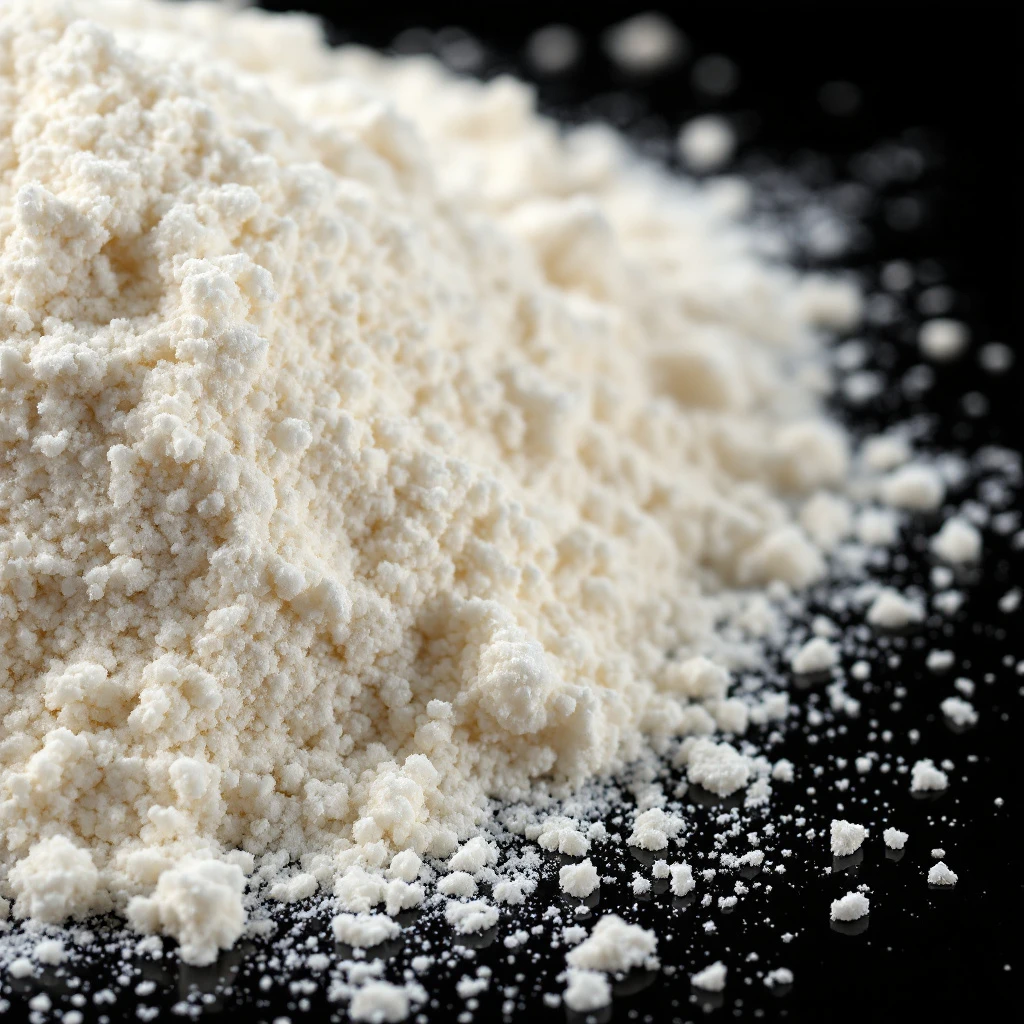
Wasanbon sugar is far finer in texture than regular sugar, with a powdery, almost flour-like consistency. Aroma research published in 1981 showed it contains distinct volatile compounds that give it a cleaner, more floral sweetness compared to standard refined cane sugar.
Why is wasanbon sugar so expensive?
Authentic wasanbon requires chikutou sugarcane grown only in Shikoku, harvested in winter, and refined through repeated hand-pressing cycles. The drying process alone can take up to two weeks of daily turning, which limits output and keeps prices high.
When did wasanbon sugar originate?
Wasanbon sugar originated during the Edo period, roughly 200 to 300 years ago, after Tokugawa Yoshimune encouraged domestic sugar production in the early 1700s. The distinctive double-refining technique developed in the Tokushima and Kagawa regions of Shikoku.
What fragrances commonly feature wasanbon sugar notes?
Wasanbon sugar appears most often in niche and Japanese-inspired fragrances that aim for a refined gourmand character. It tends to show up in compositions built around green tea, rice, white floral, or soft woody bases, where its toasted-sweet quality adds warmth without dominating.
Is wasanbon sugar used outside of perfumery?
Wasanbon sugar is primarily used in traditional Japanese confectionery, especially wagashi served during tea ceremonies. Its introduction into perfumery is a relatively recent development, driven by perfumers seeking authentic, culturally rich gourmand materials.





