Sticky Rice Flour
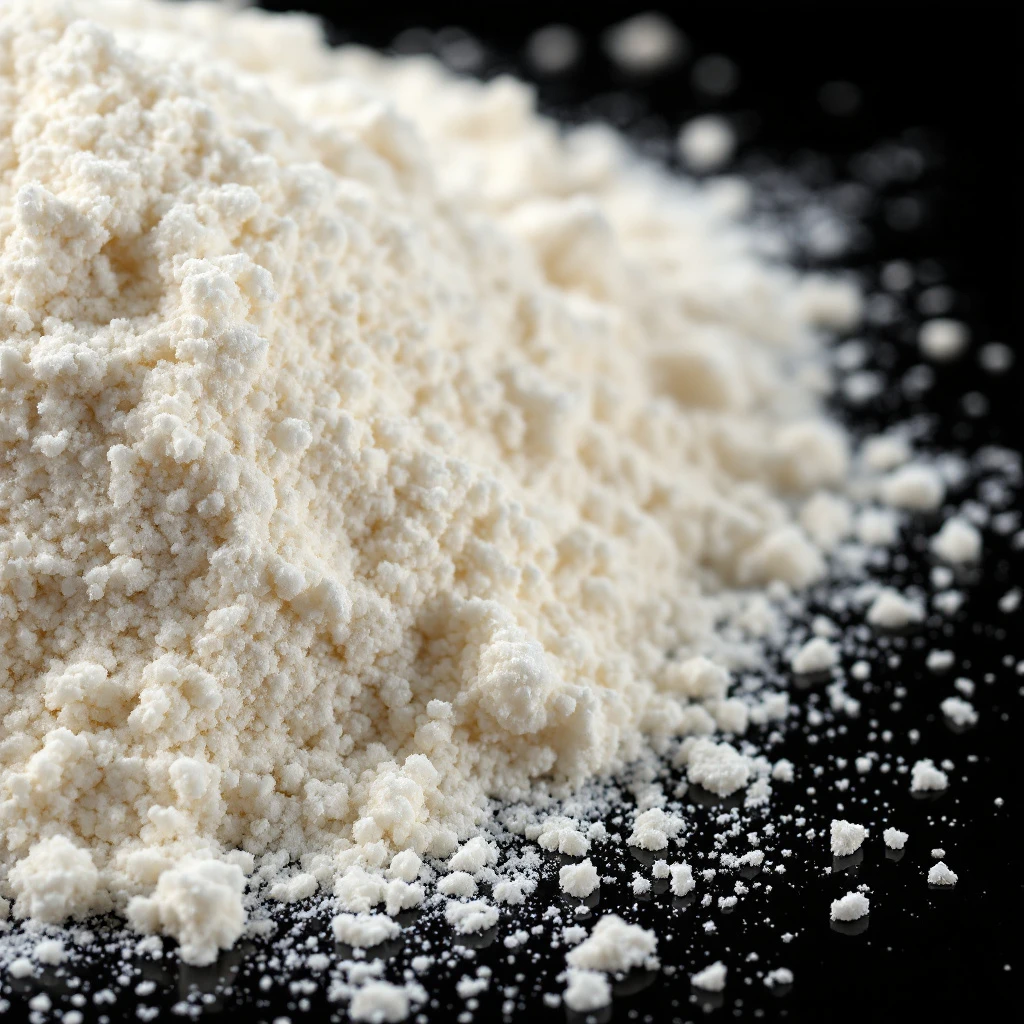
Sticky rice flour brings a soft, milky warmth to fragrance composition. This gourmand note carries a comforting, slightly nutty sweetness that grounds modern perfumes with an edible, bakery-like intimacy.
Character
How it smells
Warm grain, soft sweetness
In Southeast Asia, sticky rice flour is roasted before grinding to deepen its nutty aroma, a technique that inspired perfumers to capture its toasted warmth in bottle.
Pairs beautifully with
Origin
China
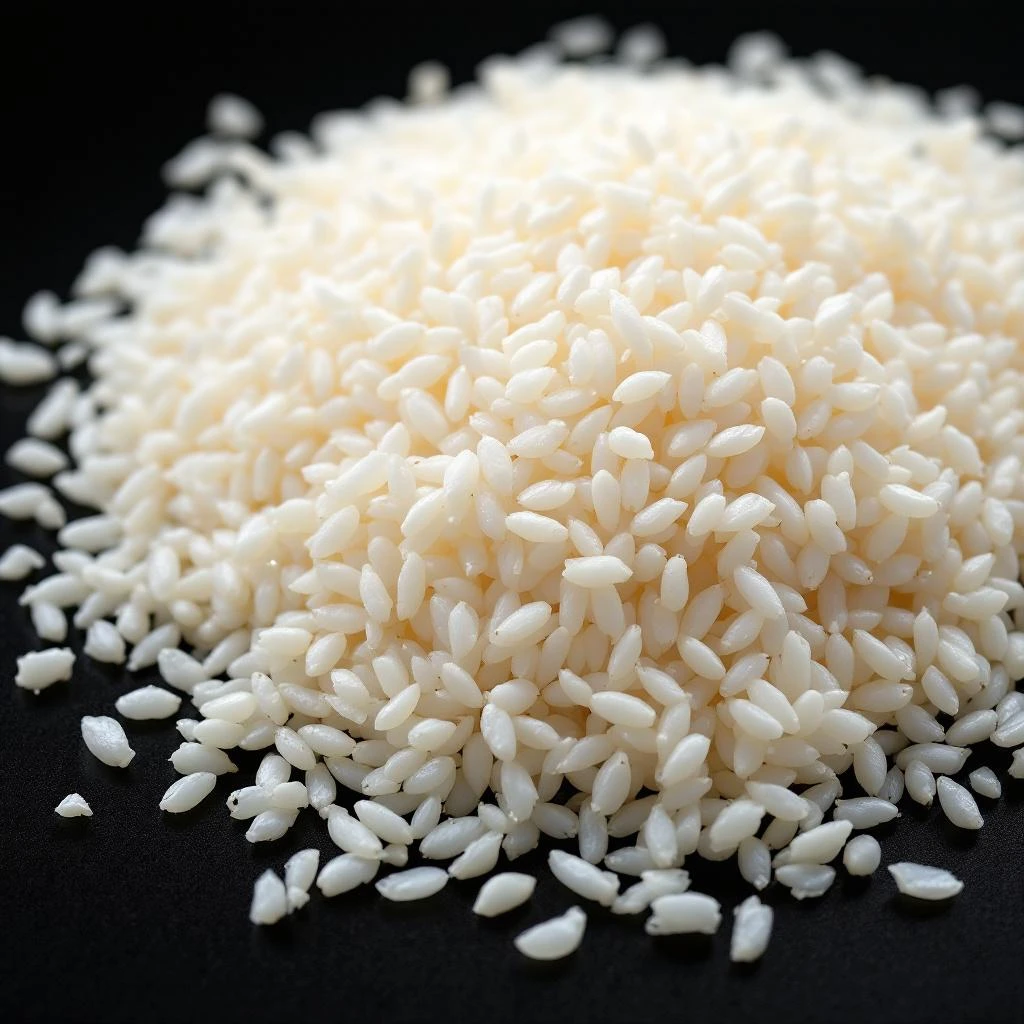
Sticky rice, known as glutinous rice or mochi rice, has been cultivated across East and Southeast Asia for over 4,000 years. Archaeological sites in the Yangtze River basin of China show remains of this rice variety dating to the Neolithic period, where it was prized for its sticky texture when cooked. In Japan, mochi made from pounded sticky rice became central to ceremonial traditions, especially during New Year rituals.
Across Thailand, Laos, and Vietnam, sticky rice remains a daily staple, often steamed in bamboo baskets that themselves release a faint, sweet grain aroma. The perfume industry began exploring sticky rice flour as an ingredient in the early 21st century, as gourmand compositions grew in popularity and perfumers sought novel edible-smelling materials. Its entry into mainstream fragrance coincided with the rise of niche perfumery, where notes inspired by desserts, breakfast cereals, and pantry staples gained commercial traction.
Today, sticky rice flour stands as a marker of how contemporary perfumery borrows freely from the kitchen to expand its vocabulary.
Wears it best
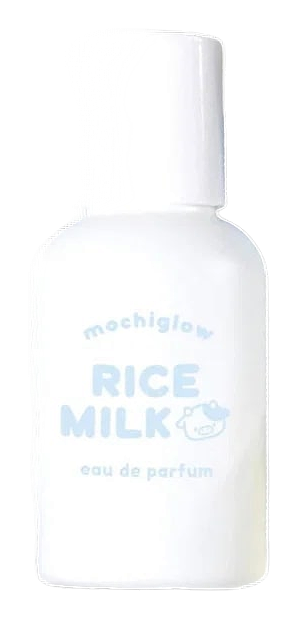
Fragrances featuring Sticky Rice Flour
Brands
Brands known for Sticky Rice Flour
Good to know
Questions, answered
The essentials on Sticky Rice Flour in perfumery: how it smells, where it comes from, and how it behaves on skin.
What does sticky rice flour smell like in perfume?
Sticky rice flour smells warm, milky, and gently nutty with a soft sweetness reminiscent of fresh mochi or steamed rice pudding. It functions as a comforting base note in gourmand fragrances rather than a dominant aroma.
Is sticky rice flour a natural or synthetic fragrance ingredient?
Most sticky rice flour notes in commercial perfumery are synthetic reconstructions built from headspace analysis. Natural extraction yields only faint results, so lab-created molecules deliver the recognizable warm, grainy character.
Which perfumes use sticky rice flour as a note?
Several niche gourmand fragrances list sticky rice or rice flour among their notes, particularly in compositions that evoke mochi, rice pudding, or warm cereals. The note appears in both Japanese-inspired and Western artisanal launches.
Is sticky rice flour the same as regular rice flour in perfumery?
No, they differ in aromatic profile. Sticky rice flour carries a sweeter, almost doughy warmth because of its higher amylopectin content, while regular rice flour reads drier and more neutral. Perfumers specifically seek glutinous rice for that creamy depth.
How is the sticky rice flour scent extracted for perfume?
Producers primarily use headspace technology to capture the aroma of roasted sticky rice flour, then reconstruct it with aroma molecules. Some use CO2 extraction on the roasted powder to obtain a waxy concrete with bread-like warmth.
Where does sticky rice flour originate as a fragrance material?
Glutinous rice was first cultivated in the Yangtze River basin of China over 4,000 years ago. Its use as a fragrance note, however, developed in the early 21st century alongside the rise of gourmand niche perfumery.
Does sticky rice flour contain gluten?
Despite its common name, sticky rice flour contains no gluten. The sticky texture comes from amylopectin, a starch component, which gives the flour its characteristic chew when cooked and its creamy aroma when roasted.
What fragrance families feature sticky rice flour?
Sticky rice flour belongs primarily to the gourmand family and occasionally appears in oriental and woody compositions seeking warmth. It pairs especially well with vanilla, tonka bean, and sandalwood for soft, edible depth.





