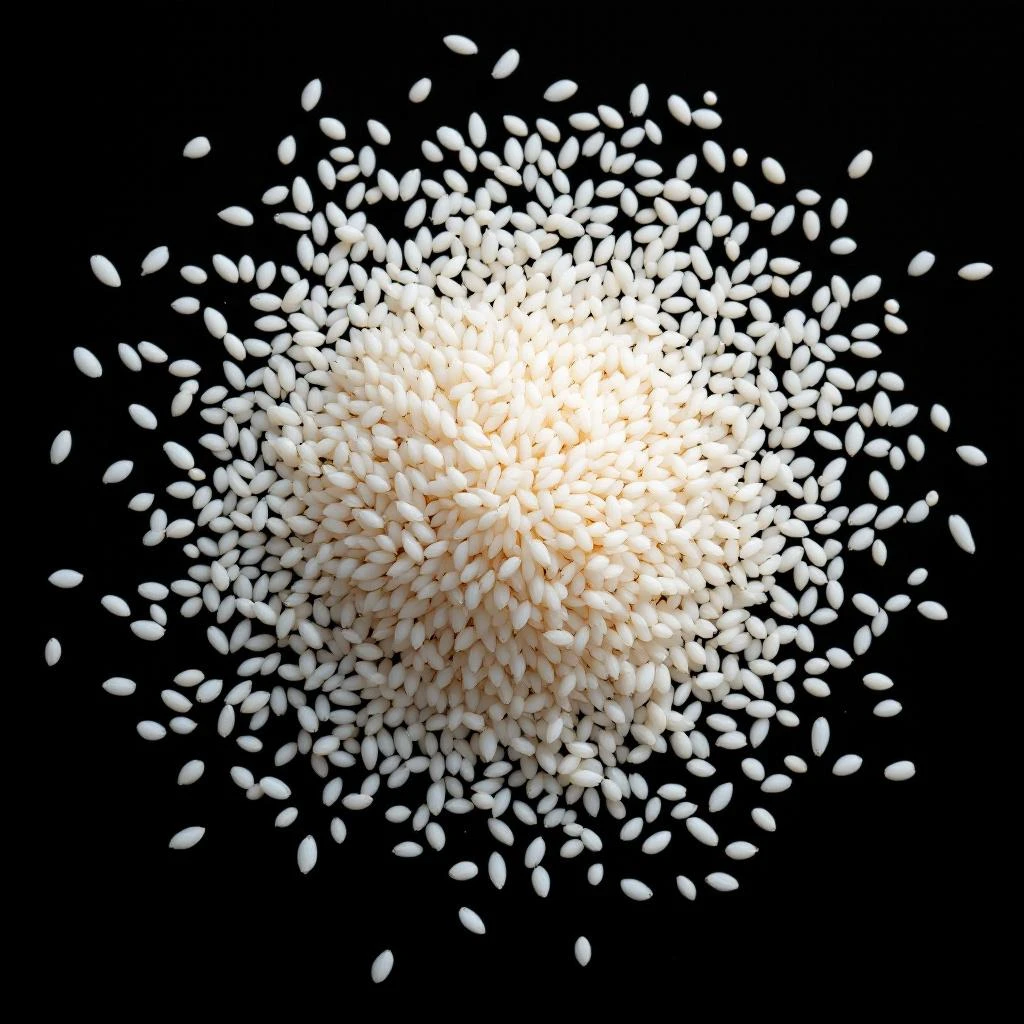
White rice
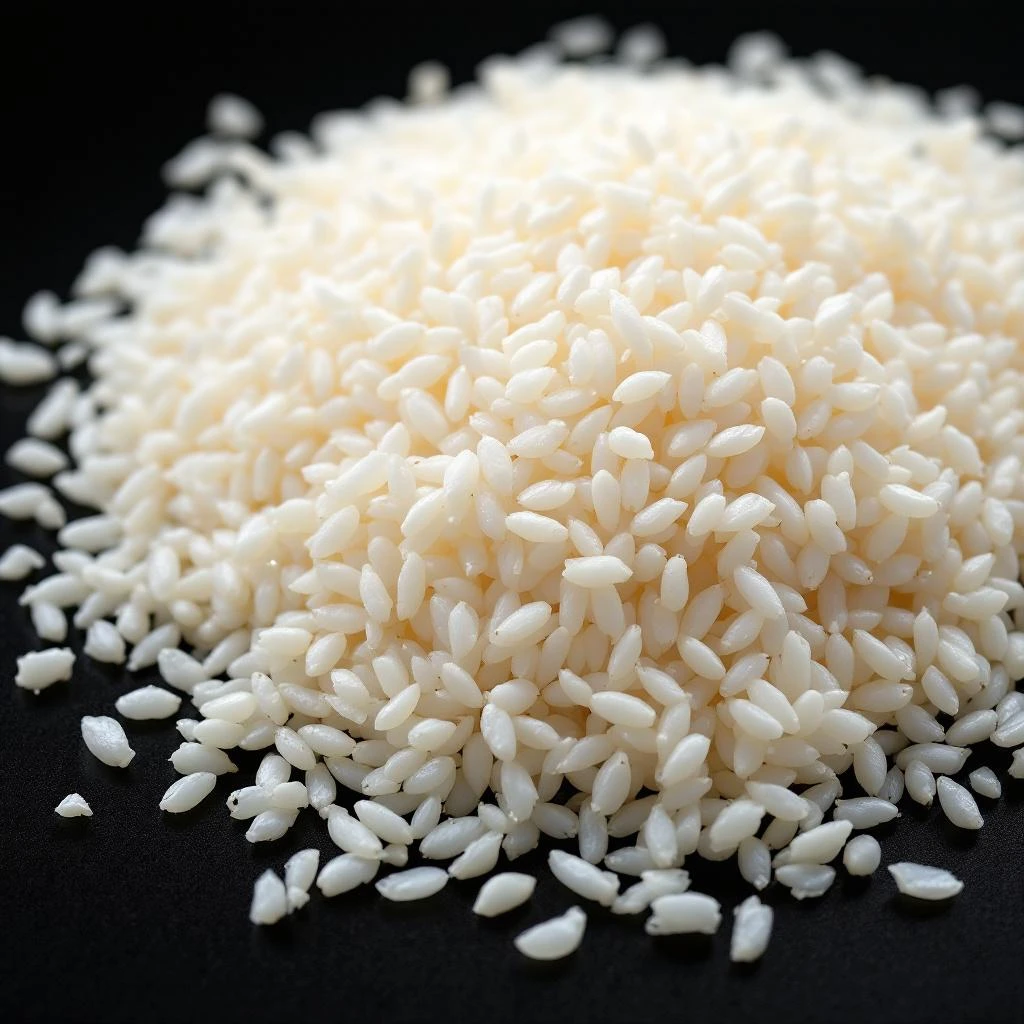
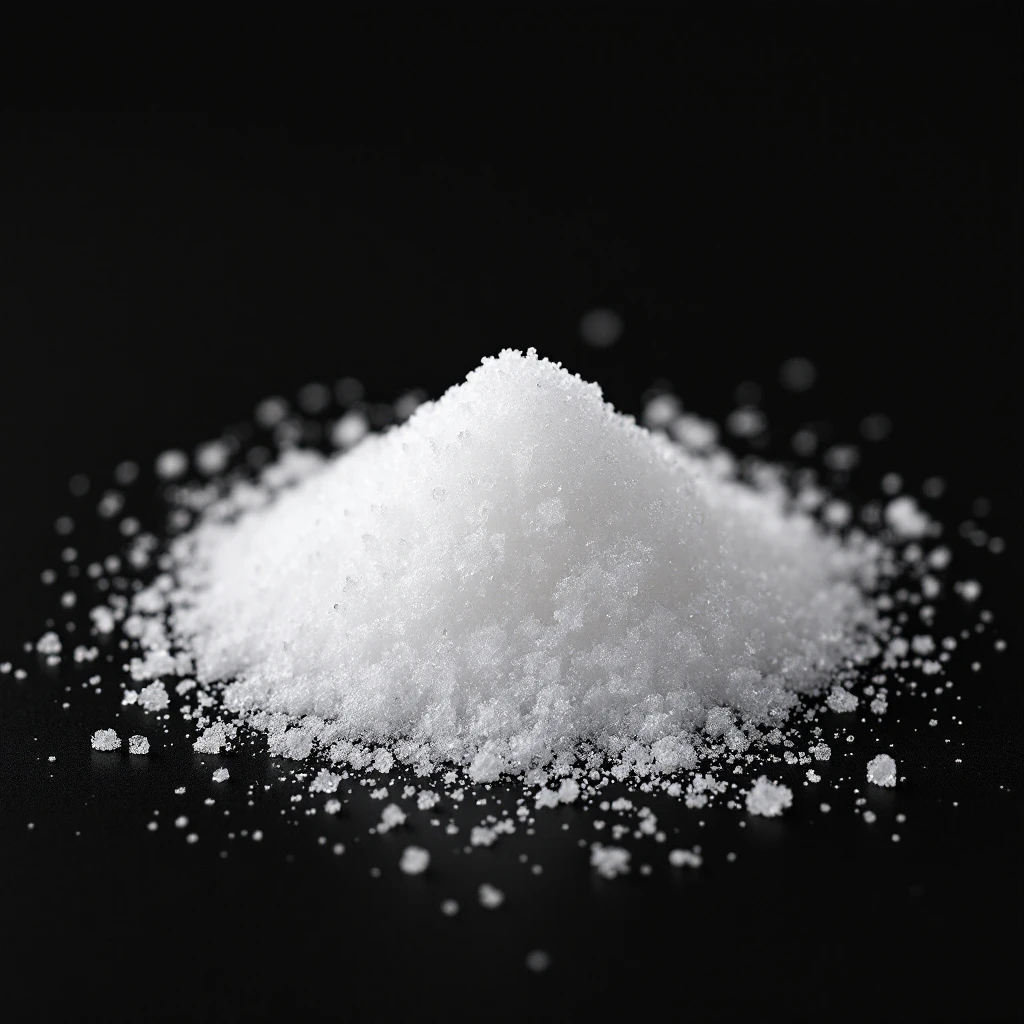
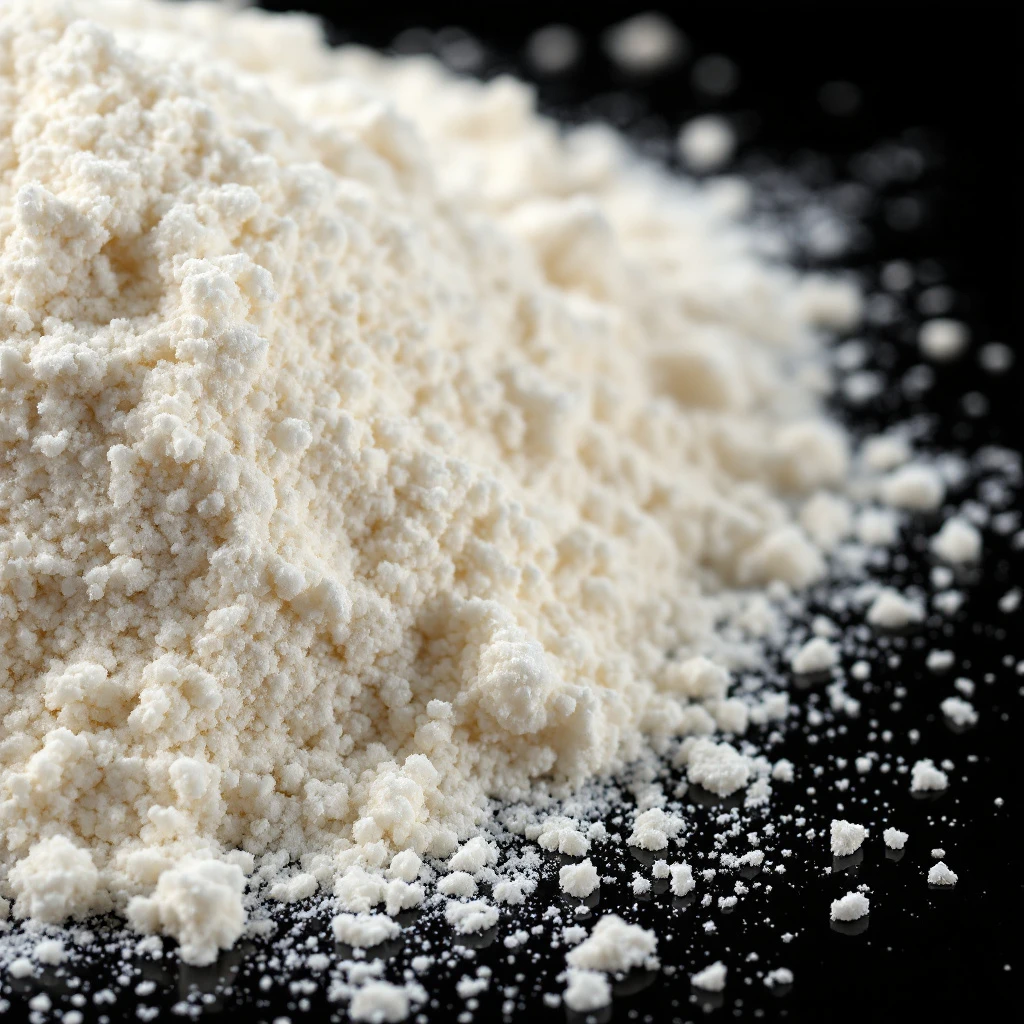
White rice offers a soft, powdery, creamy aroma that whispers of fresh rice paper and warm kitchens, delivering a subtle heart note prized for its comforting neutrality.
Character
How it smells
Creamy, powdery rice note that softens any composition.
The signature scent of white rice comes from 2‑acetyl‑1‑pyrroline, a molecule also responsible for the aroma of pandan leaves and freshly baked bread.
Pairs beautifully with
Origin
China
Rice has fed civilizations for millennia, yet its scent entered the perfume world only after modern chemistry opened new pathways. Ancient Egyptian incense lists rice among grain offerings, but no record describes its fragrance as a perfume component. In the 1920s, French laboratories began testing grain volatiles, noting a faint, cooked‑rice aroma.
The breakthrough arrived in 1975 when Japanese researchers identified 2‑acetyl‑1‑pyrroline as the molecule responsible for the characteristic smell of freshly cooked rice. Synthetic production of this molecule allowed perfumers to place a clean, powdery note into modern compositions. By the 1990s, flagship fragrances used rice as a heart note to soften synthetic musks and amber accords, establishing the grain as a quiet but decisive element in contemporary perfumery.
Today, the rice note appears in niche and mainstream collections, prized for its ability to add comfort and neutrality.
Wears it best
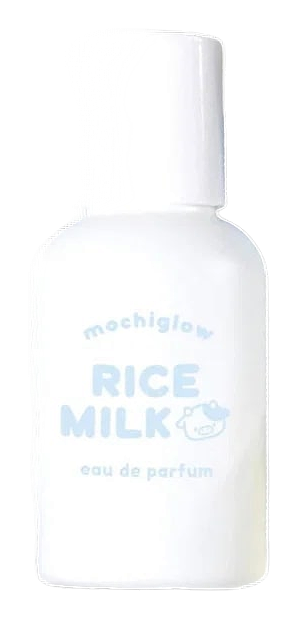
Fragrances featuring White rice
Brands
Brands known for White rice
Good to know
Questions, answered
The essentials on White rice in perfumery: how it smells, where it comes from, and how it behaves on skin.
What scent does white rice add to a perfume?
White rice contributes a soft, powdery, and creamy aroma that reads like fresh rice paper. The note centers on 2‑acetyl‑1‑pyrroline, which registers at 0.1 ppb in a bowl of steaming rice. It softens sharp synthetics and adds a subtle, comforting veil.
Is the rice note in perfume natural or synthetic?
Most commercial rice notes are synthetic copies of 2‑acetyl‑1‑pyrroline. The laboratory process yields a crystal with 98 % purity, matching the trace compound found in harvested grains. Natural extraction remains impractical because the grain contains only nanogram quantities of the volatile.
How stable is the rice aroma in a finished fragrance?
The synthetic 2‑acetyl‑1‑pyrroline remains stable for at least two years in ethanol‑based solutions. Laboratory tests show less than 5 % degradation after 24 months at 25 °C. Stability allows formulators to place the note in the heart without rapid fading.
Which fragrance families pair well with rice?
Rice blends smoothly with floral, amber, and woody families. A 2018 study recorded consumer preference for rice paired with jasmine, sandalwood, and vanilla in a 1:1 ratio. These combinations highlight rice’s ability to soften bright accords while preserving depth.
Can white rice be used in vegan perfumes?
Yes, the synthetic rice molecule contains no animal derivatives. Regulatory filings list it as a non‑allergenic, vegan‑compatible ingredient. Manufacturers often certify the material with vegan logos to reassure consumers. Thus, formulators can incorporate rice without compromising vegan standards.
Does white rice cause allergic reactions in perfume wearers?
Rice rarely triggers skin irritation; clinical patch tests report a 0.02 % incidence among participants. The molecule itself lacks protein structures that typically provoke allergies. Most reported cases involve pre‑existing sensitivities to grain residues, not the isolated aroma.
How is the rice note perceived across different cultures?
In East Asian markets, rice evokes comfort and purity, while Western consumers associate it with clean, powdery freshness. A 2021 cross‑regional survey recorded a 68 % positive rating for rice‑infused scents in Japan versus 45 % in the United States.
What typical concentration does rice occupy in a perfume formula?
Perfumers usually add rice at 1–3 % of the total composition, positioning it in the heart layer. Analytical GC‑MS of a 2020 flagship fragrance measured rice at 2.4 % of the oil blend.