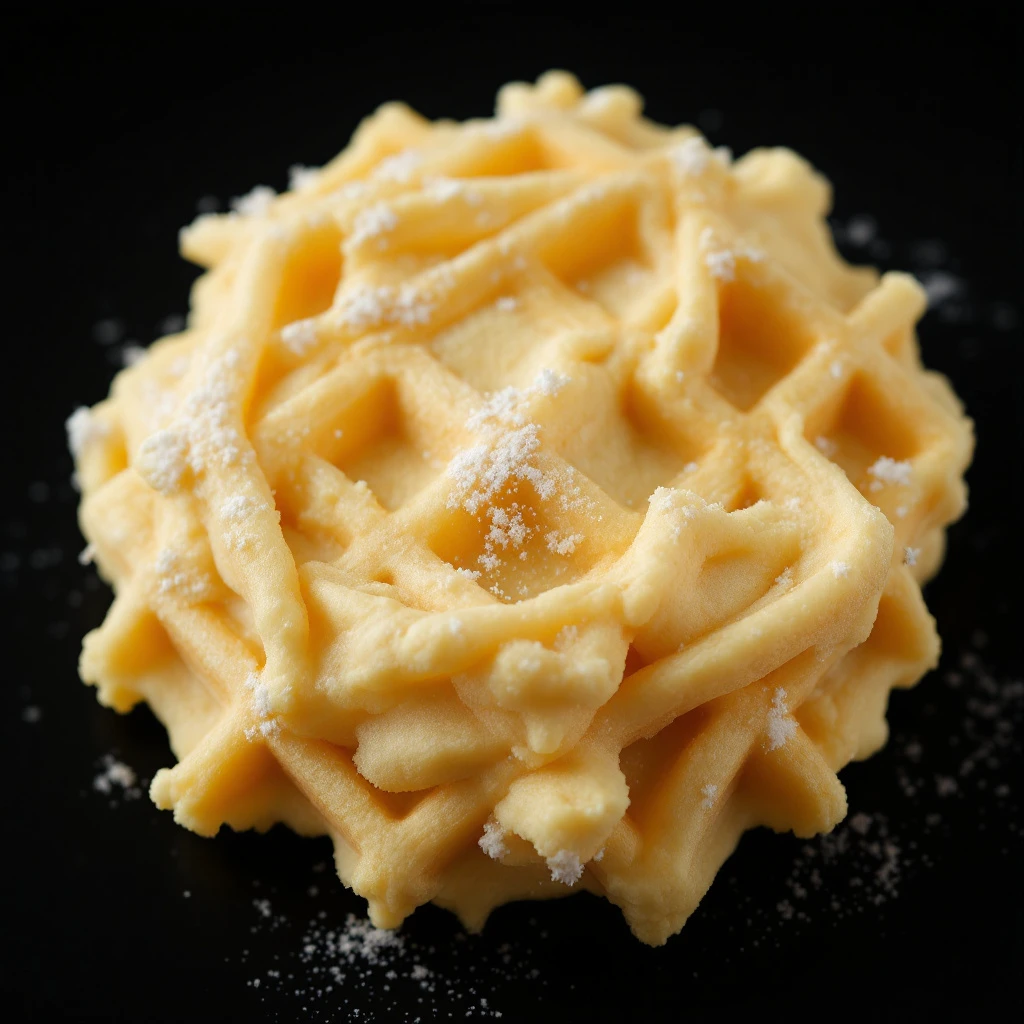
Waffle Dough
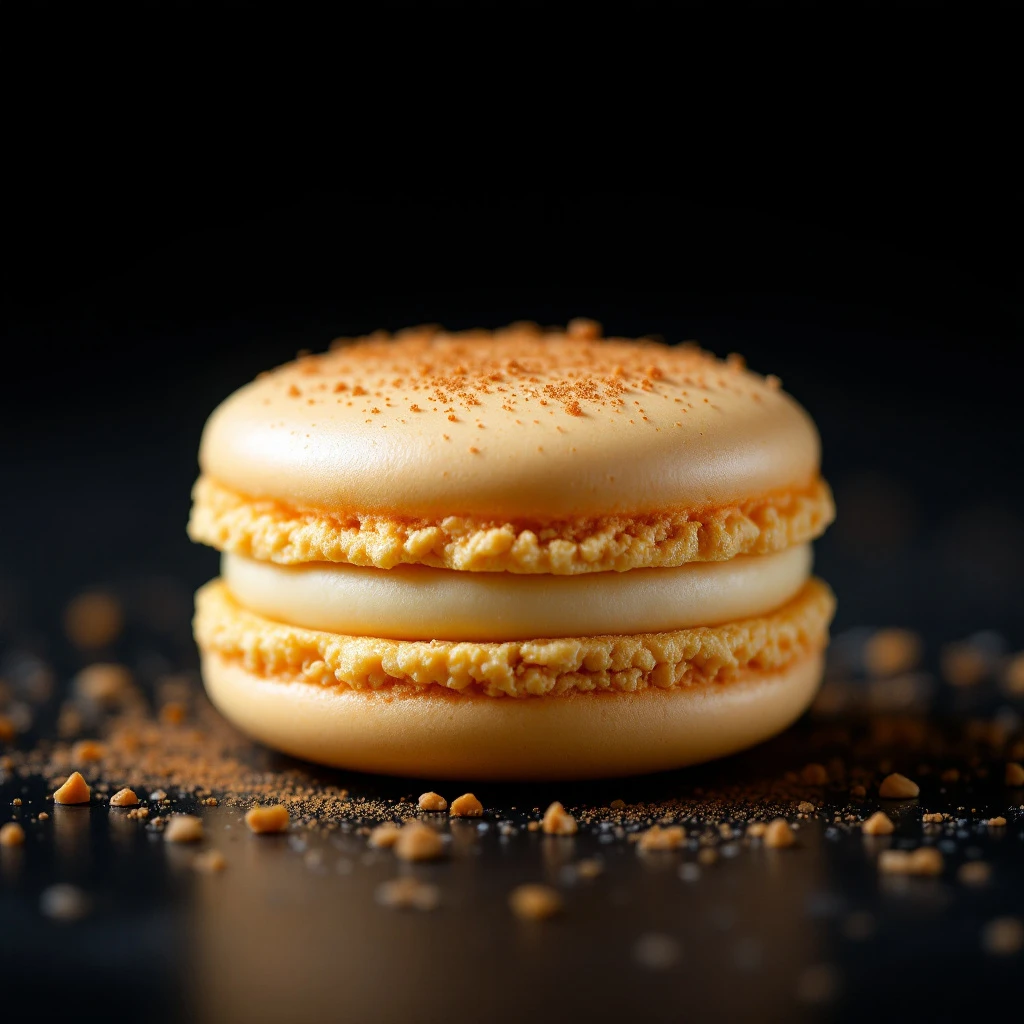
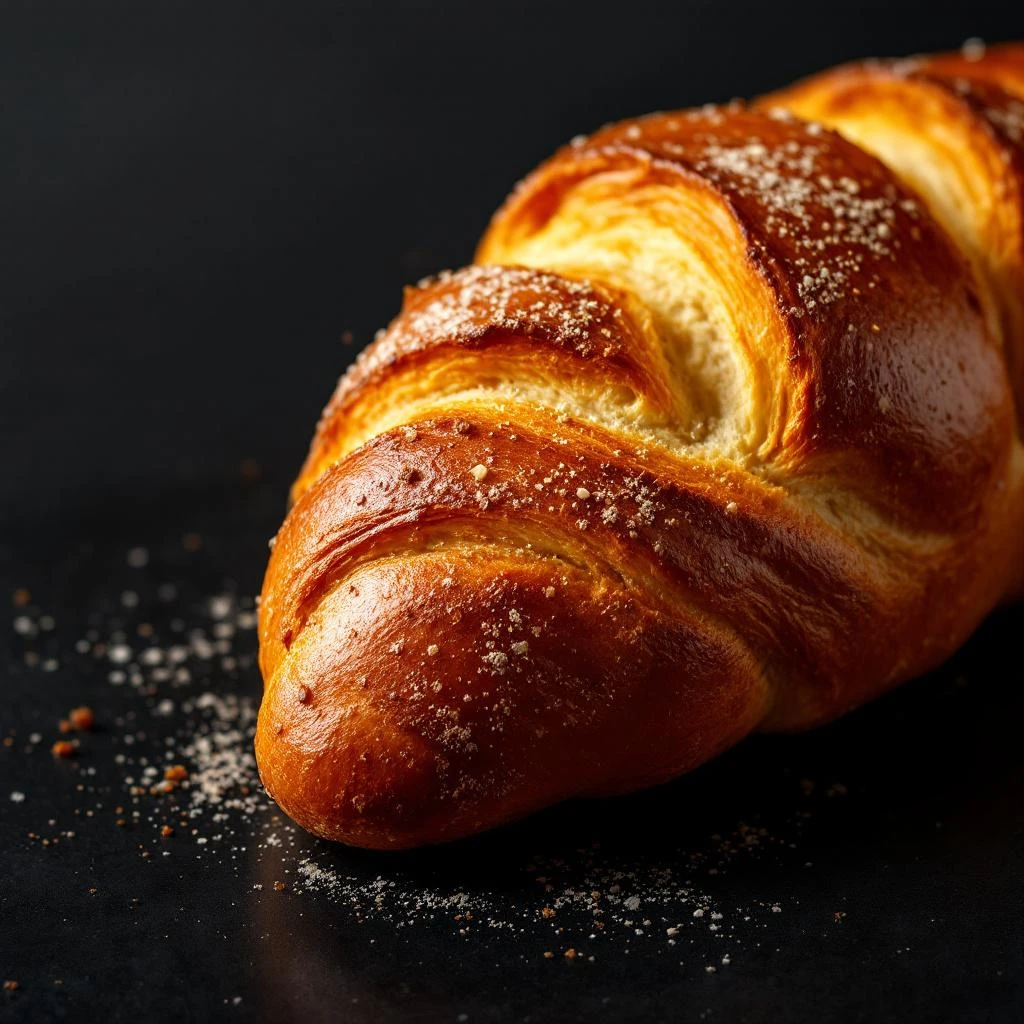
The warm, buttery essence of freshly baked waffle dough. Modern perfumers recreate this comforting aroma through precision chemistry, blending compounds that mirror the golden crust and tender crumb of Belgian breakfast tradition.
Character
How it smells
Warm bakery comfort captured in a bottle
Waffle dough aroma combines furaneol, maltol, and vanillin in specific ratios to recreate its buttery, caramelized signature.


Origin
United States
The gourmand fragrance movement emerged from advances in synthetic chemistry during the 20th century. Scientists learned to isolate natural aroma compounds and understand the chemistry behind food odors.
French chemist Maillard first described the browning reaction between amino acids and sugars in 1913, laying groundwork for recreating baked food aromas synthetically. By the late 20th century, fragrance houses could engineer edible scents like waffle dough, vanilla, and caramel.
The 1990s saw the Gourmand family explode as a major fragrance category. Belgian waffles have existed since the Middle Ages, but the synthetic note now appears in luxury perfumes, body products, and home fragrances for its consistent, comforting character.
Wears it best
Fragrances featuring Waffle Dough
Brands
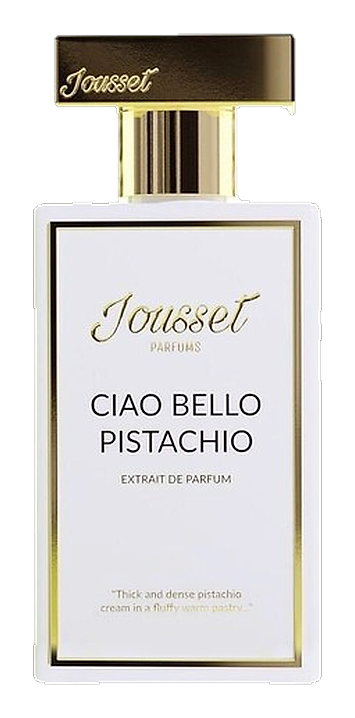
Brands known for Waffle Dough
Good to know
Questions, answered
The essentials on Waffle Dough in perfumery: how it smells, where it comes from, and how it behaves on skin.
What creates waffle dough's distinctive aroma in perfume?
The aroma comes from synthetic compounds that mimic the Maillard reaction. Furaneol provides caramelized, jammy notes while maltol adds sweet depth. Vanillin creates creamy vanilla warmth, and diacetyl supplies buttery richness. These chemicals blend to capture the compound aroma of freshly baked waffle dough.
Is there a natural waffle dough extract used in perfumery?
No natural waffle dough extract exists for perfumery. Unlike vanilla or benzoin, waffle dough cannot be extracted from any botanical or animal source. Perfumers must construct this warm, edible scent entirely from synthetic aroma chemicals through careful laboratory formulation.
Which fragrances showcase waffle dough as a primary note?
Waffle dough features prominently in gourmand fragrances from multiple houses. The note appears consistently in warm, edible scent profiles, often layered with complementary bakery elements. Check individual fragrance listings for specific compositions and note breakdowns.
Is waffle dough safe for use in consumer products?
All aroma chemicals used to create waffle dough undergo rigorous safety evaluation. These materials appear on IFRA compliance lists and receive safety assessments from fragrance industry organizations. Qualified perfumers use them within established concentration limits for consumer products.
What fragrance families pair well with waffle dough?
Waffle dough blends naturally with other gourmand notes including vanilla, tonka bean, caramel, and honey. Oriental spices like cinnamon and cardamom enhance its bakery character. Light floral touches can balance its warmth while woodsy bases like sandalwood ground its sweetness.
How does waffle dough perform on skin throughout wear?
The note opens boldly with buttery warmth and sweet caramelization. Initial bursts of fresh-baked character mellow as lighter top notes fade. The dry down reveals deeper, creamier facets as vanillin and maltol dominate, leaving a soft, edible trail.
When did perfumers start using waffle dough in fragrances?
Waffle dough as a named perfume note emerged in the late 20th century alongside the broader gourmand movement. Advances in synthetic chemistry during the 1990s enabled perfumers to construct convincing edible aromas, leading to bakery-inspired ingredients becoming mainstream fragrance components.
What makes waffle dough challenging to recreate authentically?
Authentic waffle dough aroma requires balancing multiple scent dimensions simultaneously. The note demands buttery aldehydes, sweet caramelization from Maillard compounds, and creamy vanilla undertones in precise proportion. Achieving realistic bakery warmth without cloying sweetness requires expert formulation skill.