Vanilla Macaron
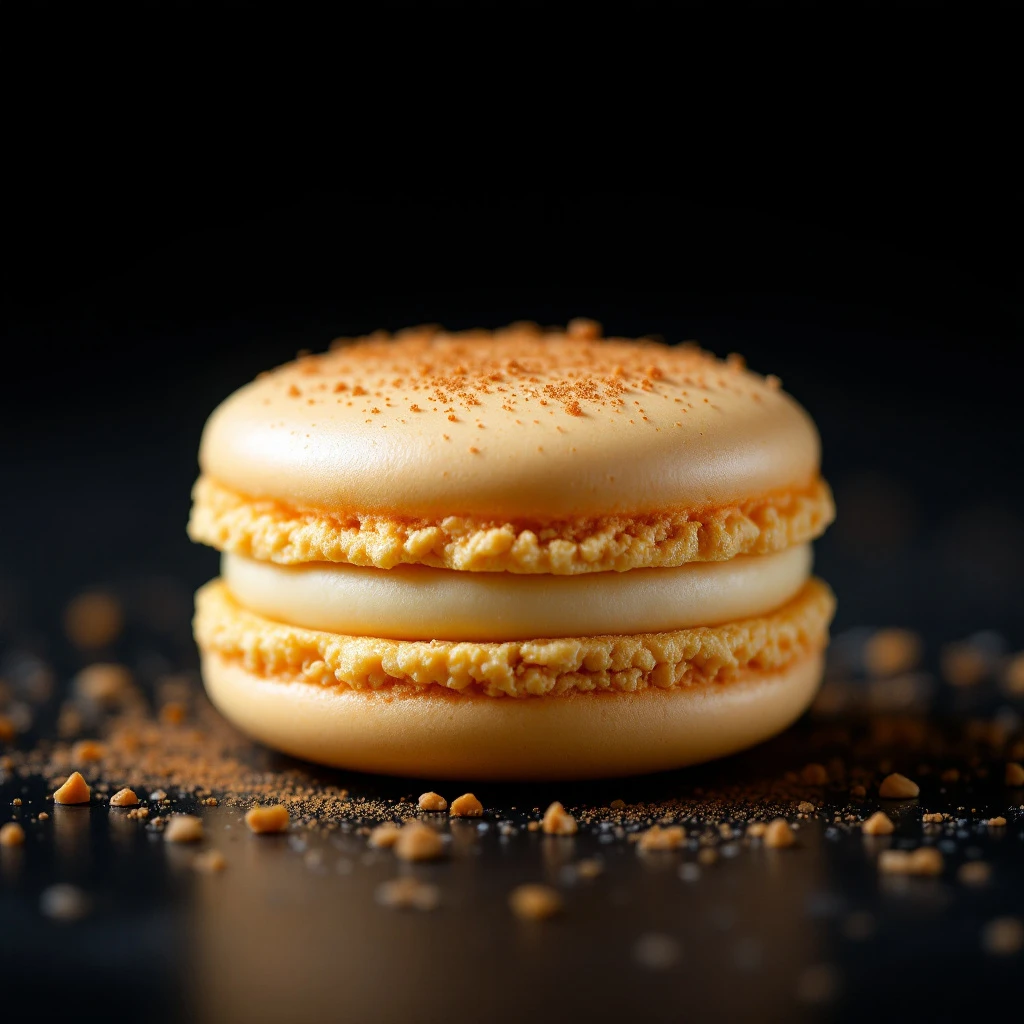
Warm, comforting, and irresistibly sweet. Vanilla Macaron captures the gentle embrace of almond-laced meringue meets rich Bourbon vanilla, a gourmand staple born from Mexico's rainforests and perfected in French perfumery.
Character
How it smells
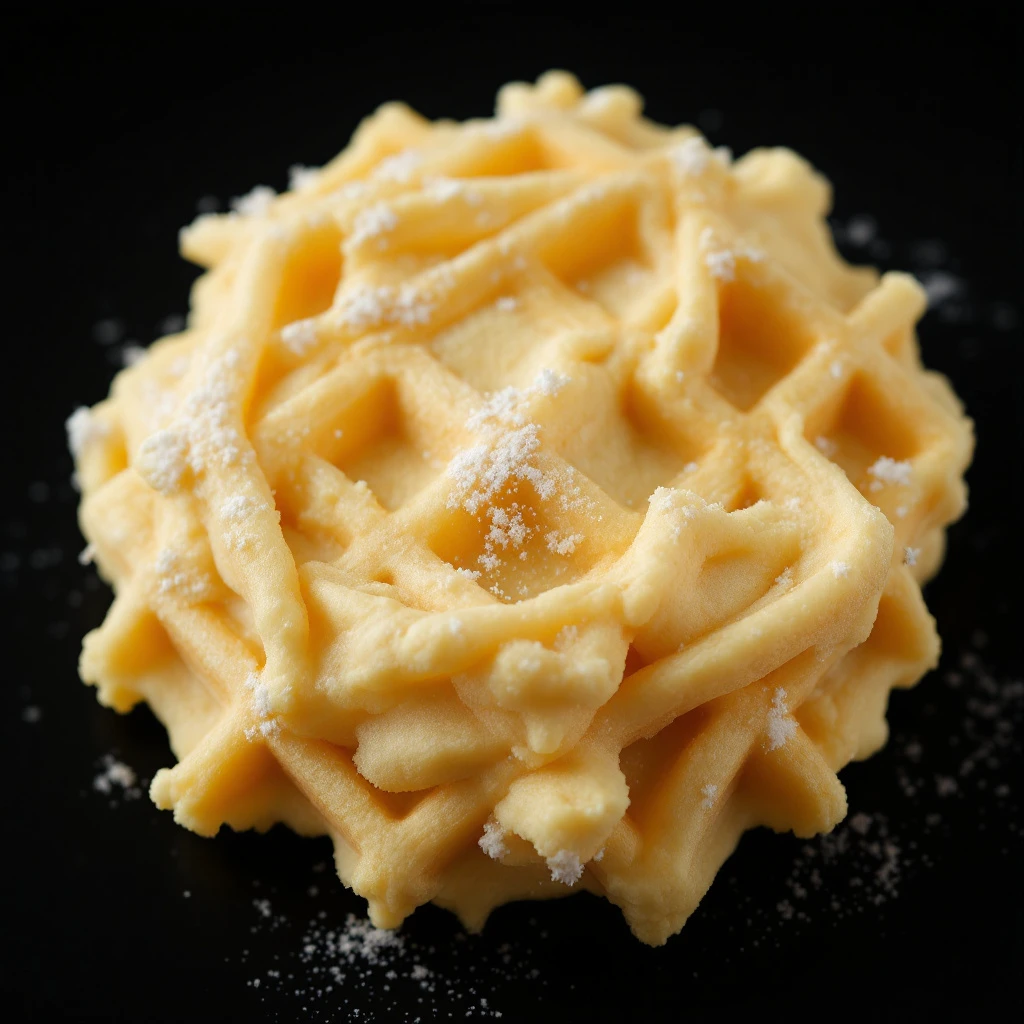
Sweet almond warmth meets Bourbon vanilla depth
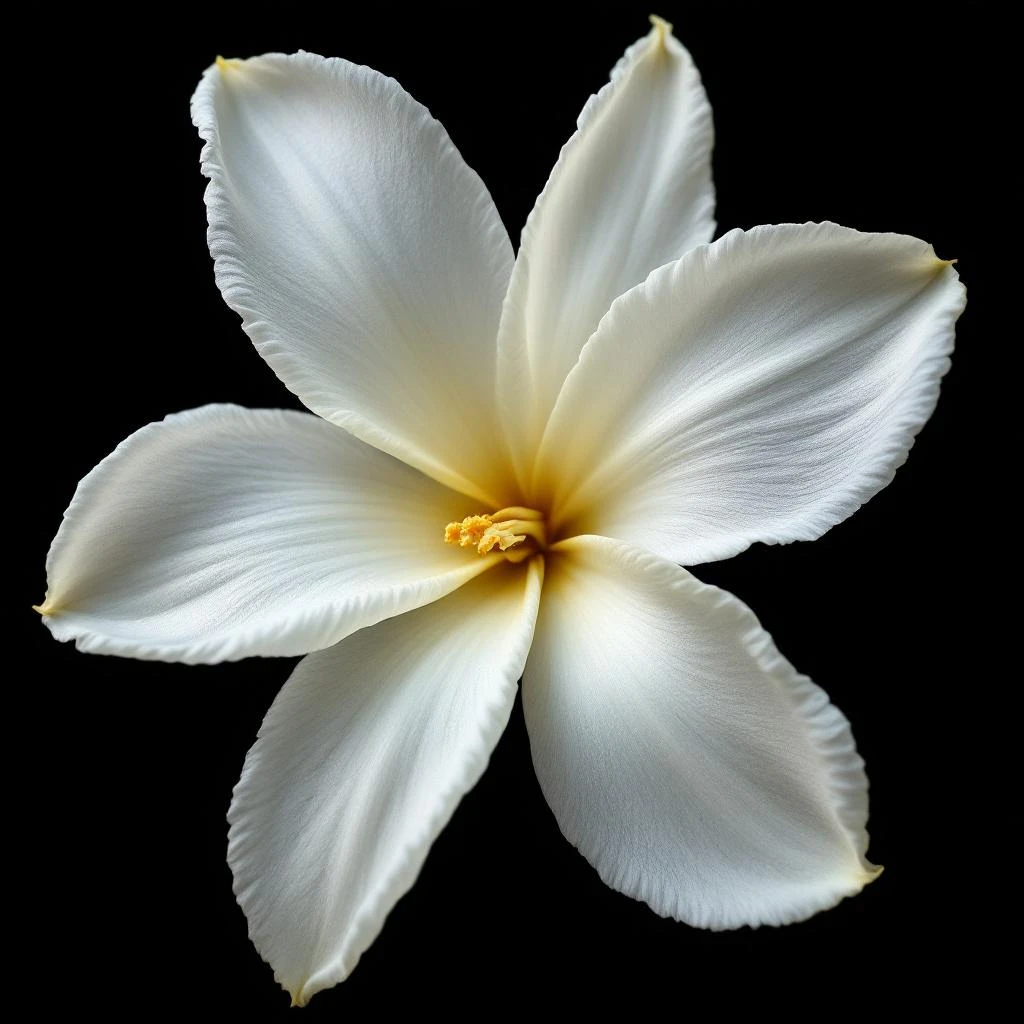
Each vanilla flower opens for just one day. Without hand-pollination, vanilla cannot fruit. This labor-intensive process was discovered by a 12-year-old boy on Réunion Island in 1841.

Origin
Mexico
Vanilla traces back to Mexico's tropical regions, where Aztec and Totonac civilizations used the orchid's dark pods as currency and flavoring for cacao beverages—the original chocolate bar. Spanish conquistadors brought vanilla to Europe in the 1500s, where it became prized but remained scarce. The supply puzzle solved itself in 1841 on Réunion Island when 12-year-old botanist Edmond Albius discovered how to hand-pollinate the orchid flowers since Melipona bees, the natural pollinators, did not exist there.
This breakthrough enabled cultivation across French colonial territories. By the late 1800s, Bourbon (now Réunion) and Madagascar dominated global vanilla production. Today, Madagascar alone accounts for roughly 80 percent of the world's supply.
The macaron as a perfumery reference emerged from French gastronomic culture—luxury patisseries inspired perfumers to recreate those delicate almond-meringue-vanilla sensations in alcoholic form. The result bridges two French traditions: Réunion's colonial vanilla legacy and the elegant pastry culture of Paris.
Wears it best
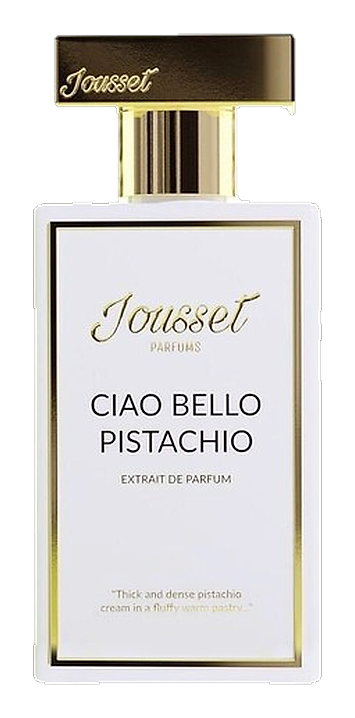
Fragrances featuring Vanilla Macaron
Brands
Brands known for Vanilla Macaron
Good to know
Questions, answered
The essentials on Vanilla Macaron in perfumery: how it smells, where it comes from, and how it behaves on skin.
What is Vanilla Macaron in perfumery?
Vanilla Macaron is a gourmand fragrance note combining rich Bourbon vanilla absolute with bakery-like companion materials like ethylvanillin and tonka. It evokes the sweet, almond-edged warmth of French almond meringue filled with vanilla cream, designed to smell edible and comforting.
How long does it take to produce real vanilla?
Real vanilla requires 9 to 10 months from flowering to cured, market-ready pod. The lengthy curing process develops vanillin and aromatic compounds through sweating, drying, and conditioning steps that cannot be rushed without losing quality.
Why are synthetics used in Vanilla Macaron notes?
Synthetics like ethylvanillin, created in 1894, provide consistency and intensity that natural vanilla cannot always achieve. They allow perfumers to amplify the gourmand, food-like character of a macaron note while keeping costs stable and supply reliable.
What is hand-pollination and why does it matter?
Hand-pollination is the manual transfer of pollen between vanilla orchid flowers to enable fruit development. Vanilla flowers last only one day, and natural pollinators do not exist outside Mexico. Without hand-pollination, vanilla would not exist as a global commodity.
Where does most natural vanilla come from today?
Madagascar produces approximately 80 percent of the world's vanilla supply. Other significant origins include Tahiti, Papua New Guinea, and Comoros. Réunion Island (formerly Bourbon) holds historical significance but produces much smaller quantities today.
What is the difference between vanilla absolute and vanilla fragrance?
Vanilla absolute comes from solvent-extracted, cured pods and carries deep, warm, slightly smoky complexity. Fragrance compounds labeled Vanilla Macaron typically blend this absolute with synthetics, lactones, and almond-scented molecules to produce a ready-to-use macaron accord.
Why is vanilla expensive?
Vanilla ranks as the second most expensive spice after saffron. The labor-intensive hand-pollination, long maturation, and curing requirements drive prices. Crop failures, climate stress, and demand surges regularly cause dramatic price swings on global markets.
What does Vanilla Macaron smell like?
A well-constructed Vanilla Macaron accord smells creamy, sweet, and slightly almond-like with a warm, comforting base. Natural vanilla provides depth and subtle smokiness; synthetic companions add bright sweetness, bakery warmth, and that characteristic crunchy-meringue impression.