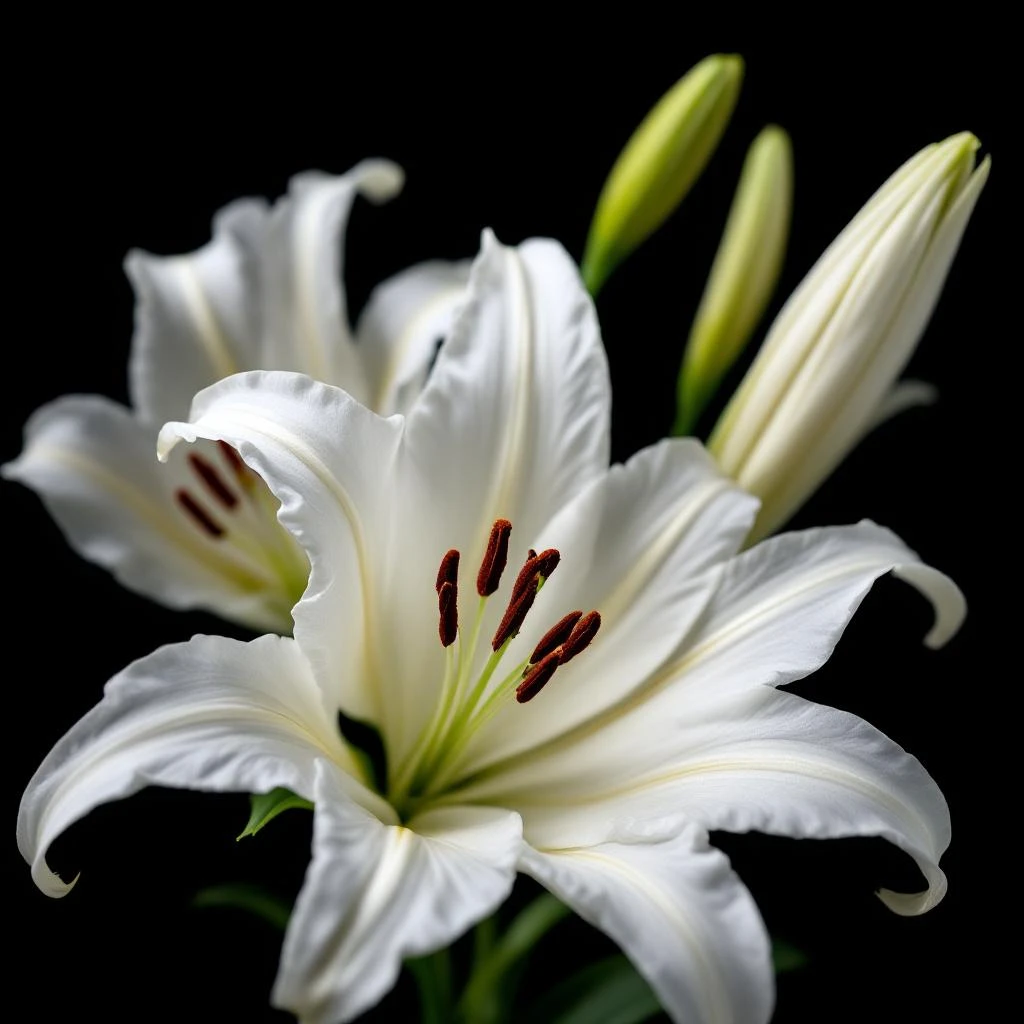
Violet Tea
Violet tea captures the delicate, powdery sweetness of Viola odorata steeped in warm botanical steam. A whisper of green leaf meets soft floral water, evoking hush and refinement.
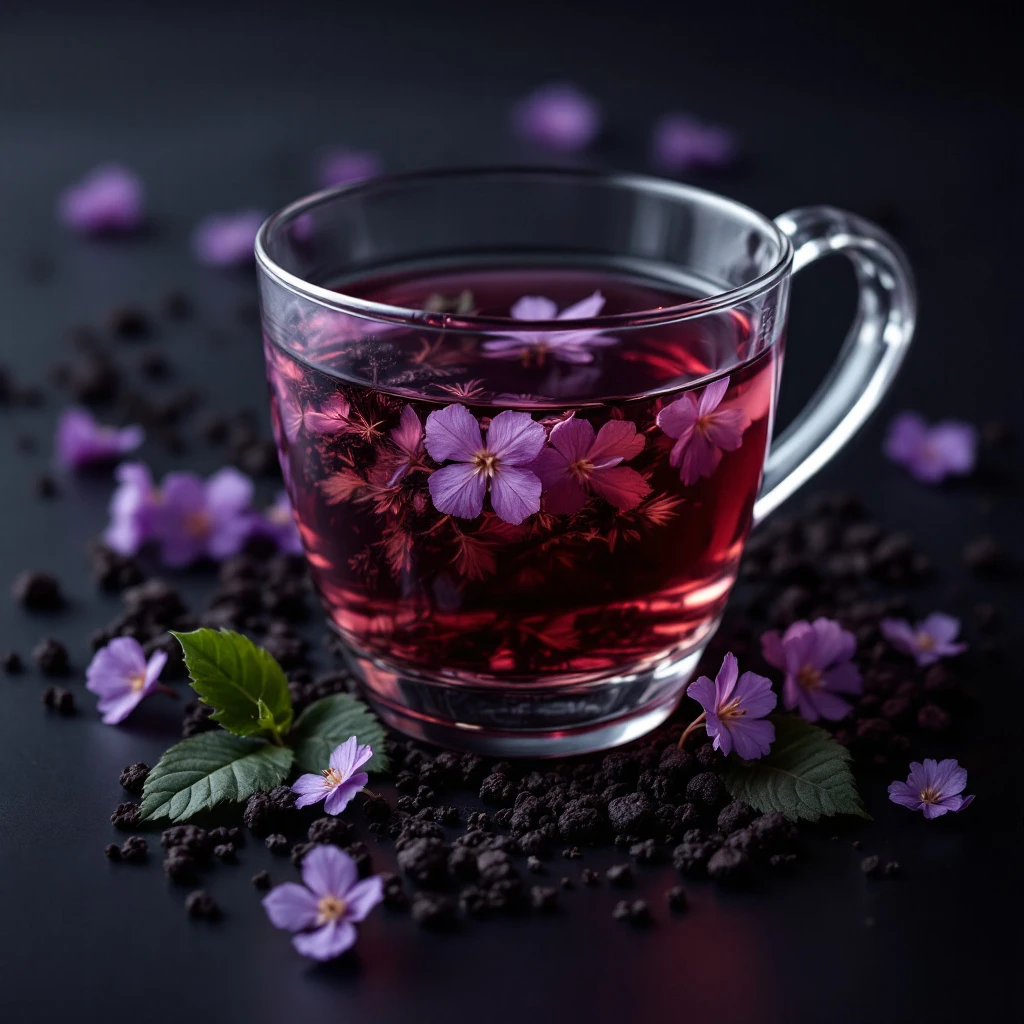
Character
How it smells
Quiet florals, steeped in hush.
Violet flowers yield so little oil that it took 33,000 kg of blossoms to produce a single kilogram of absolute.
Pairs beautifully with
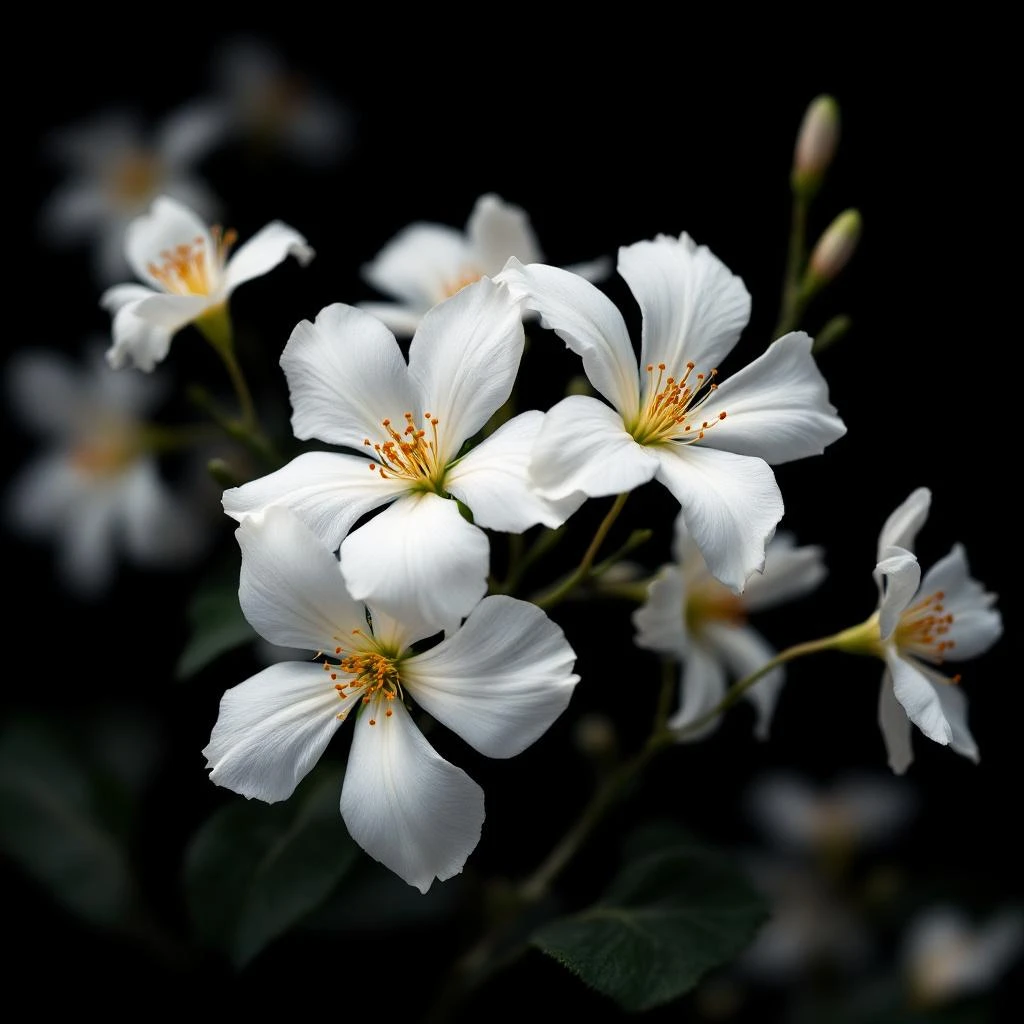

Origin
France
Violet's journey into perfumery stretches back centuries, but its golden age arrived in the late 19th century. By 1867, farmers near Grasse had established the first large-scale violet fields, supplying blossoms to local enfleurage workshops. Marie Louise, Duchess of Parma and Napoleon's second wife, helped popularize the flower at court, carrying its scent into European aristocratic circles.
The real breakthrough came in 1898, when chemist Ferdinand Tiemann synthesized alpha-ionone from citral and acetone, finally unlocking violet's powdery-green aroma on an industrial scale. Before this, producing natural violet essence required more than 33,000 kilograms of flowers to yield a single kilogram of absolute, a staggering ratio that made the scent a luxury reserved for the wealthy. From the 1890s through the 1920s, violet fragrances and flavors saturated European cosmetics, confections, and fine perfumery, an era sometimes called the Violet Age.
Tea-violet pairings emerged later, in the 20th century, as perfumers explored combining the two culturally associated plants: one a symbol of refinement, the other of comfort and ceremony.
Wears it best
Fragrances featuring Violet Tea
Brands
Brands known for Violet Tea
Good to know
Questions, answered
The essentials on Violet Tea in perfumery: how it smells, where it comes from, and how it behaves on skin.
What does violet tea smell like in perfumery?
Violet tea combines powdery, soft floral notes with a subtle green leaf facet. The accord smells like warm brewed tea leaves infused with candied violets and a whisper of cucumber-like freshness. It is quiet, comforting, and nostalgic.
Is violet tea a natural or synthetic ingredient?
Most violet tea accords blend natural and synthetic materials. Violet flower and leaf absolutes are solvent-extracted, but their rarity often leads perfumers to supplement with synthetic ionones, compounds first created in 1898. Tea notes come from tea absolute or reconstructed accords.
Where does violet for perfumery come from?
Violet cultivation for perfumery began in Grasse, France in 1867. Today, Egypt produces the largest volume of violet leaf absolute, while small artisan violet flower production continues in southern France. Most perfumery-grade material originates in these two regions.
Why is natural violet so expensive?
Natural violet absolute requires over 33,000 kilograms of fresh Viola odorata flowers to produce one kilogram of essence. This extreme yield ratio, combined with the flower's short spring season, makes genuine violet one of the costliest materials in perfumery.
What are ionones and why are they important?
Ionones are aromatic compounds responsible for violet's characteristic powdery scent. Ferdinand Tiemann synthesized alpha-ionone in 1898, enabling perfumers to recreate violet's aroma affordably. Alpha-ionone smells soft and floral, while beta-ionone adds woody, fruity depth.
When was violet popularized in European perfumery?
Violet reached peak popularity between the 1890s and 1920s, a period sometimes called the Violet Age. It saturated fine fragrances, cosmetics, and confections across Europe, helped by Marie Louise of Parma's court influence and the 1898 synthesis of ionones.
How does violet tea differ from plain violet in perfumery?
Plain violet emphasizes powdery, sweet, and slightly green facets. Violet tea adds warm, tannic, and slightly smoky depth from tea accords, creating a more grounded, comforting character. The combination evokes both delicacy and quiet ritual.
Can violet tea be used in natural perfumery?
Strictly natural violet tea accords are possible but rare and costly. Perfumers must rely on violet flower and leaf absolutes plus natural tea extracts, avoiding all synthetic ionones. The result is beautiful but economically impractical for most commercial fragrances.