Violet Syrup
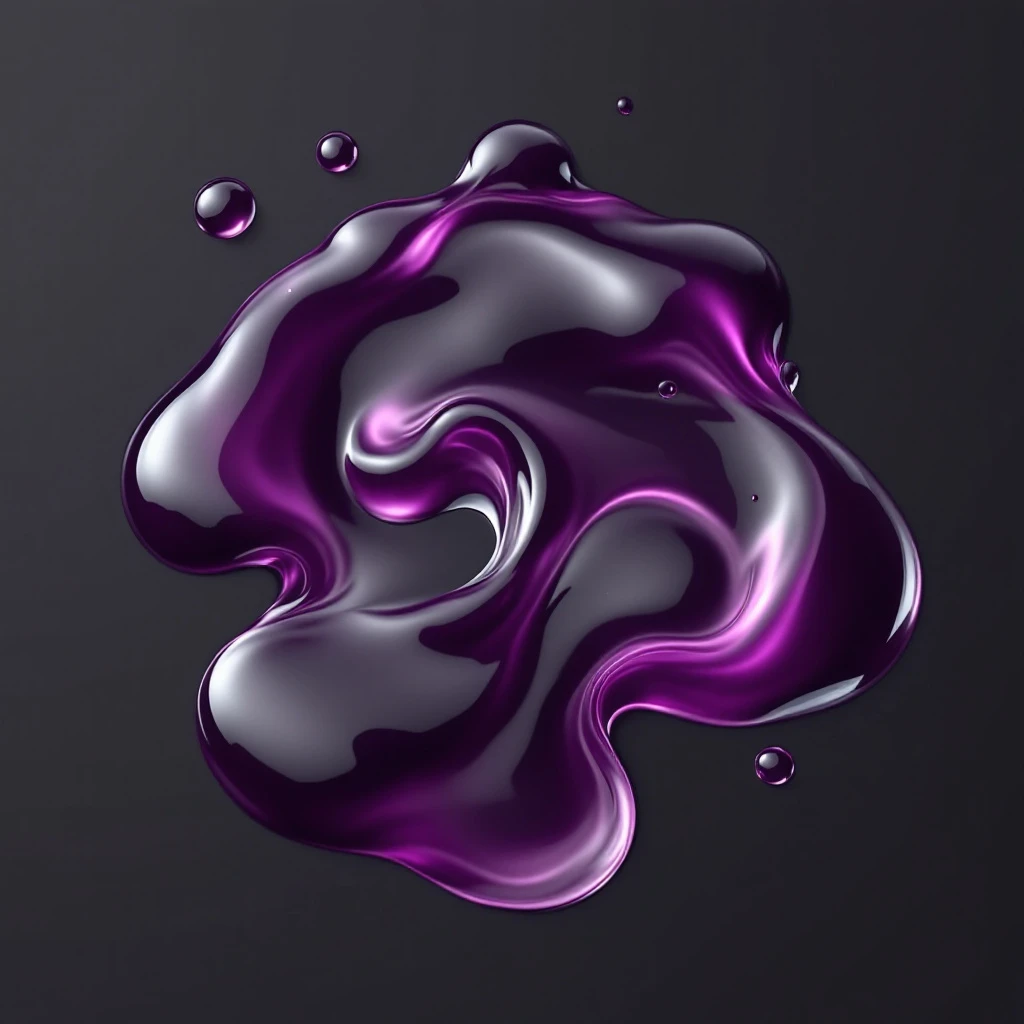
The concentrated essence of violet blossoms transformed into a sweet, viscous accord. This gourmand interpretation captures velvety floral warmth with lingering, almost edible richness that bridges classical perfumery and contemporary sweetness.
Character
How it smells
Velvety sweetness captured in liquid form
Before ionones were synthesized in 1893, producing one kilogram of violet absolute required roughly 5,000 kilograms of flower petals.
Pairs beautifully with
Origin
France
The violet holds a storied place in fragrance history, with Grasse, France, emerging as its perfumery capital in the 1860s when cultivation expanded significantly. Before the advent of synthetic chemistry, capturing violet scent required labor-intensive enfleurage or solvent extraction, making violet absolute prohibitively expensive for most fragrances. The discovery of ionone in 1893 by French chemists transformed the industry, enabling affordable violet reconstruction for the first time.
Violet syrup as a distinct accord emerged more recently, reflecting contemporary perfumery trends toward gourmand aesthetics. Rather than presenting violet in its traditional powdery, romantic form, violet syrup emphasizes the flower's sweeter, more edible qualities, creating an approachable warmth that appeals to modern tastes while honoring the flower's deep roots in French perfumery tradition.
Wears it best
Fragrances featuring Violet Syrup
Brands
Brands known for Violet Syrup
Good to know
Questions, answered
The essentials on Violet Syrup in perfumery: how it smells, where it comes from, and how it behaves on skin.
Is violet syrup a natural ingredient?
No. Violet syrup is a synthetically composed accord that recreates the impression of sweet, viscous violet. It blends artificial aromatics to achieve its characteristic candied quality.
What distinguishes violet syrup from violet leaf?
Violet leaf offers crisp, green, slightly bitter qualities reminiscent of crushed leaves. Violet syrup instead emphasizes sweetness, powdery floral softness, and a thick, edible character that reads as gourmand.
Which fragrance families commonly use violet syrup?
Gourmand and oriental fragrances frequently feature violet syrup as a heart note. It also appears in contemporary florals seeking a sweeter, more accessible violet interpretation.
How long does violet syrup typically last on skin?
As a heart-to-base component, violet syrup generally persists for 4 to 6 hours. Its sweet, viscous character helps anchor it through the dry-down phase.
Does violet syrup combine well with other floral notes?
Yes. It pairs naturally with rose, iris, and iris butter, adding sweetness without overpowering lighter florals. It also complements woody and amber base materials effectively.
Is violet syrup considered an allergen?
Synthetic violet accords typically contain no natural allergens. However, always verify specific composition with manufacturers, as some accords incorporate trace natural materials.
What inspired the violet syrup accord in perfumery?
The gourmand movement of the 1990s and 2000s pushed perfumers to explore sweeter, more edible interpretations of traditional florals, including violet.
Can violet syrup replace natural violet absolute in formulations?
For most applications, yes. Violet syrup offers consistent scent profile, greater stability, and lower cost compared to natural violet absolute derived from thousands of flower petals.