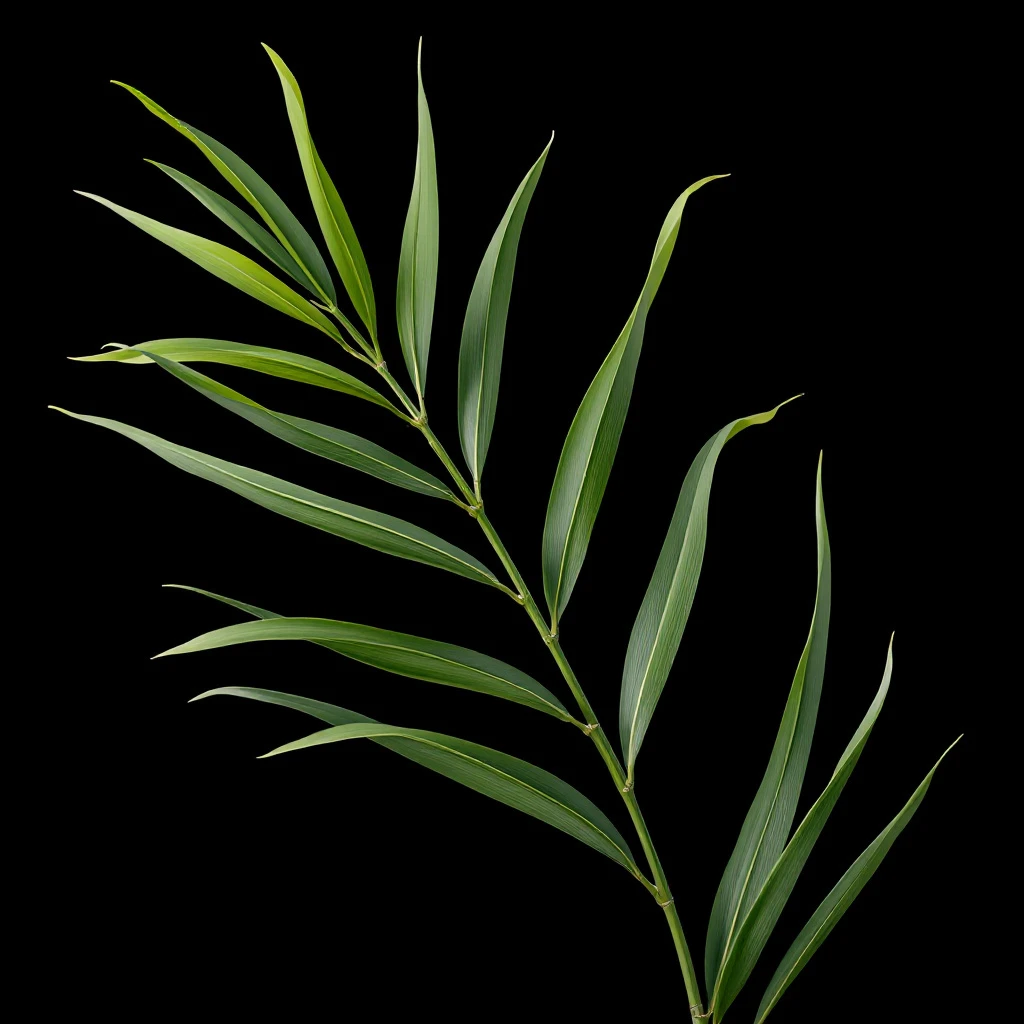
Vetiver leaf
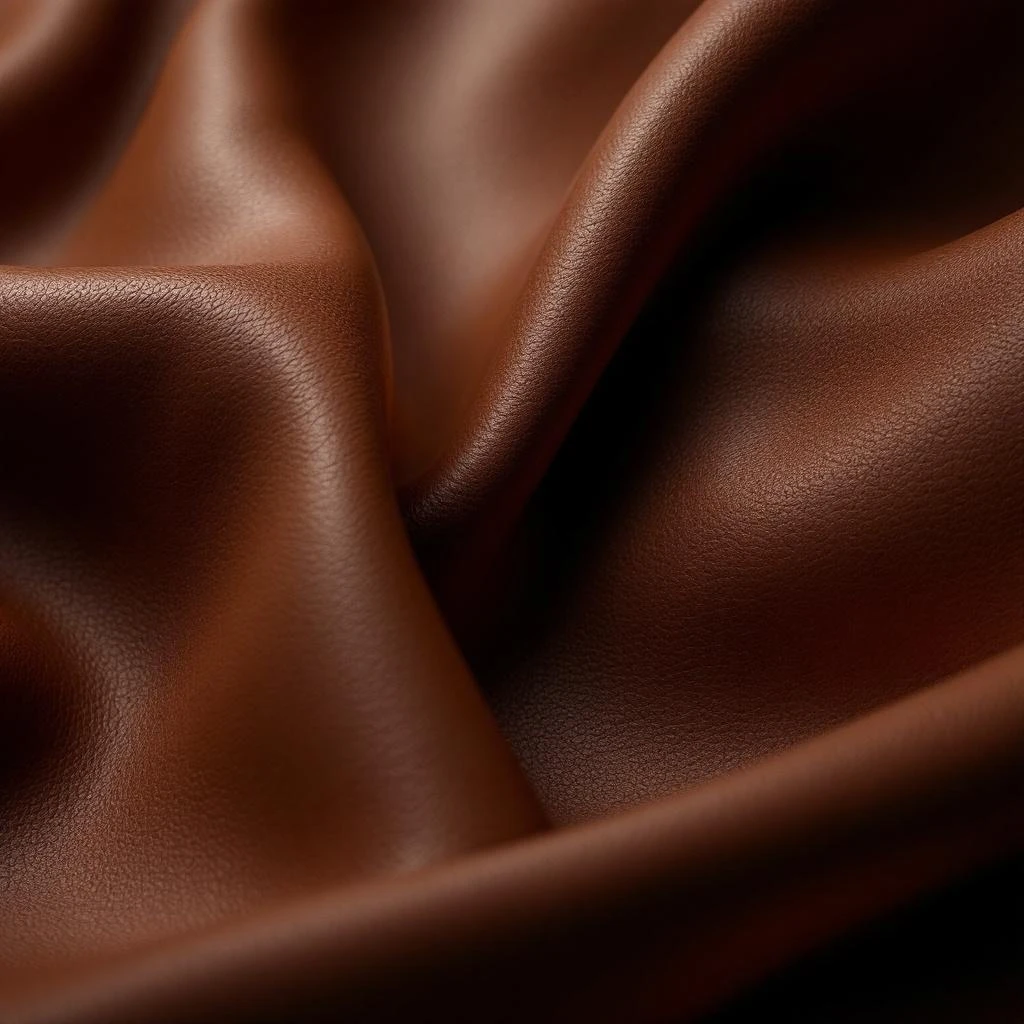
A smoky, earthy root with deep complexity. Vetiver anchors fragrances with its raw, natural elegance and lasting woody presence that evolves beautifully on the skin.
Character
How it smells
Earthy, smoky, and endlessly complex.
A single vetiver plant's root system can reach 2-4 meters deep, making it one of the most erosion-resistant grasses on Earth.


Origin
India
Vetiver's use stretches back to the Babylonian Empire around 1792-1750 BCE, making it one of perfumery's oldest materials. The plant originated in the Indian subcontinent, where traditional medicine systems employed it for its calming and grounding properties.
Arab peoples began distilling vetiver essential oil around the 12th century, developing early extraction techniques that spread knowledge of the material eastward. Vetiver made a slower entrance into Western perfumery, arriving in Europe during the 19th century.
Its deep, complex scent profile quickly established it as a signature base note in masculine fragrances and sophisticated gender-neutral compositions. Today, India remains the plant's genetic home while Haiti dominates commercial production, with farmers in regions like Cuddalore cultivating hundreds of hectares specifically for oil extraction.
Wears it best
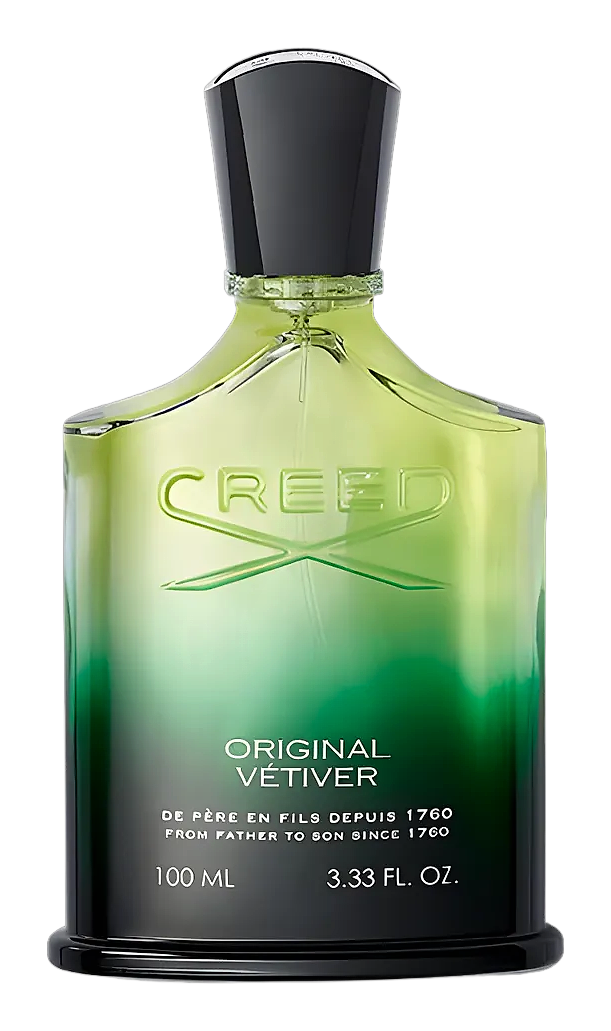
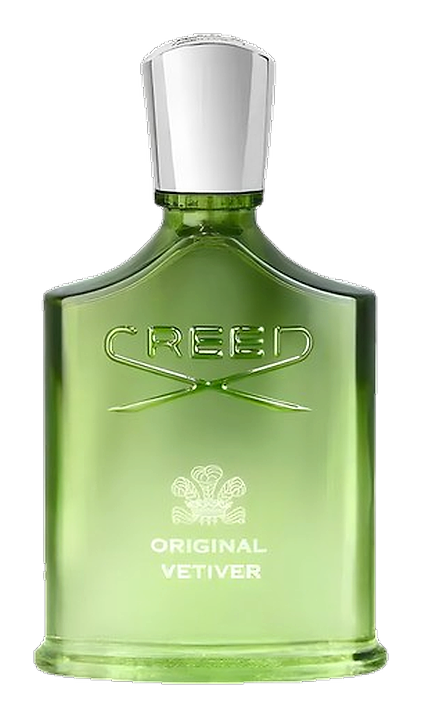
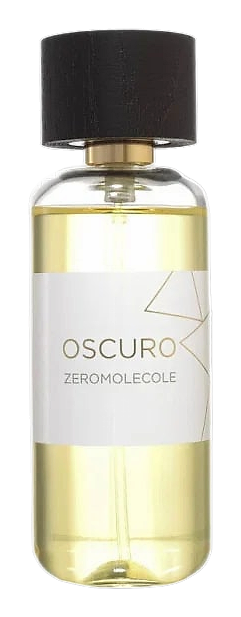
Fragrances featuring Vetiver leaf
Brands
Brands known for Vetiver leaf
Good to know
Questions, answered
The essentials on Vetiver leaf in perfumery: how it smells, where it comes from, and how it behaves on skin.
What does vetiver smell like?
Vetiver smells earthy, smoky, and woody with an amber-like warmth. It carries undertones of fresh cut grass and a subtle bitterness that gives it remarkable complexity and depth on the skin.
Where does vetiver essential oil come from?
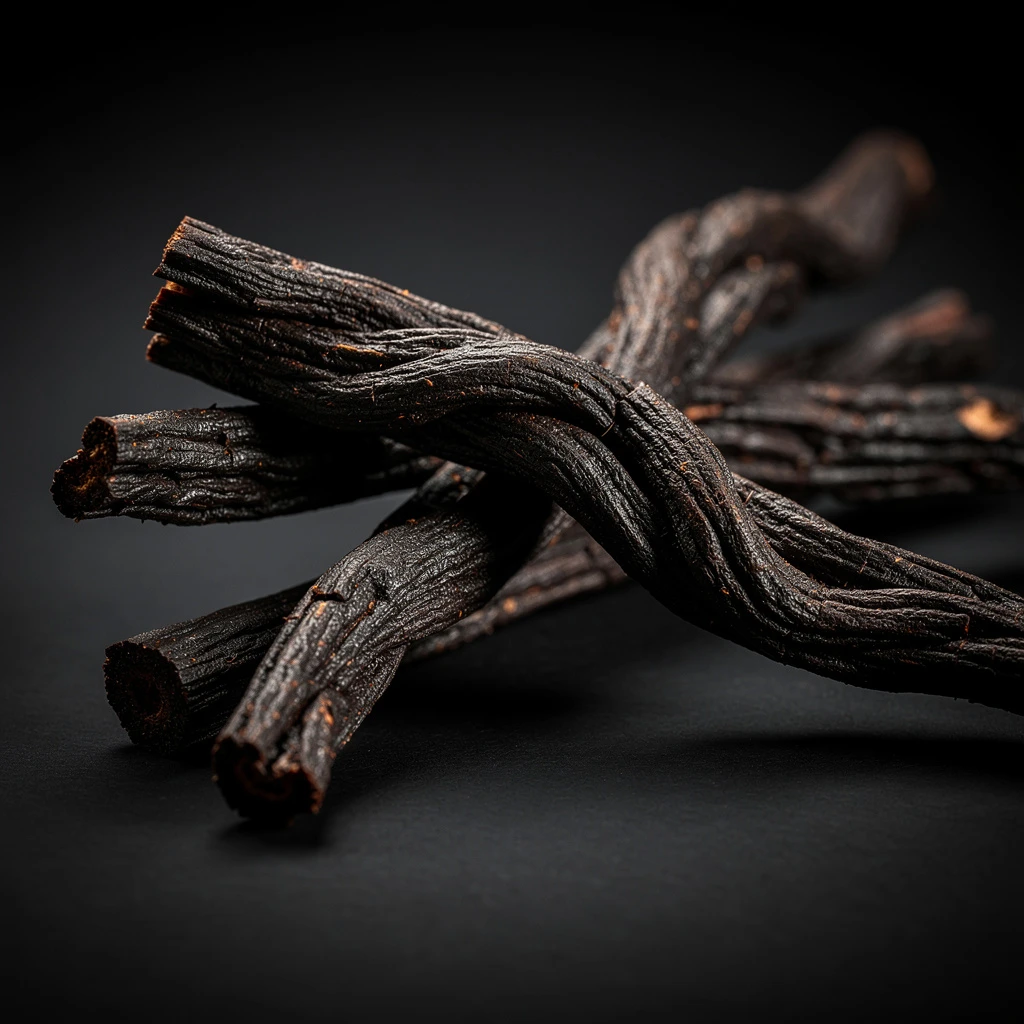
Vetiver essential oil is extracted from the roots of Chrysopogon zizanioides. Haiti, Indonesia, and Sri Lanka are the primary producers, while India is the plant's country of origin.
How is vetiver oil extracted?
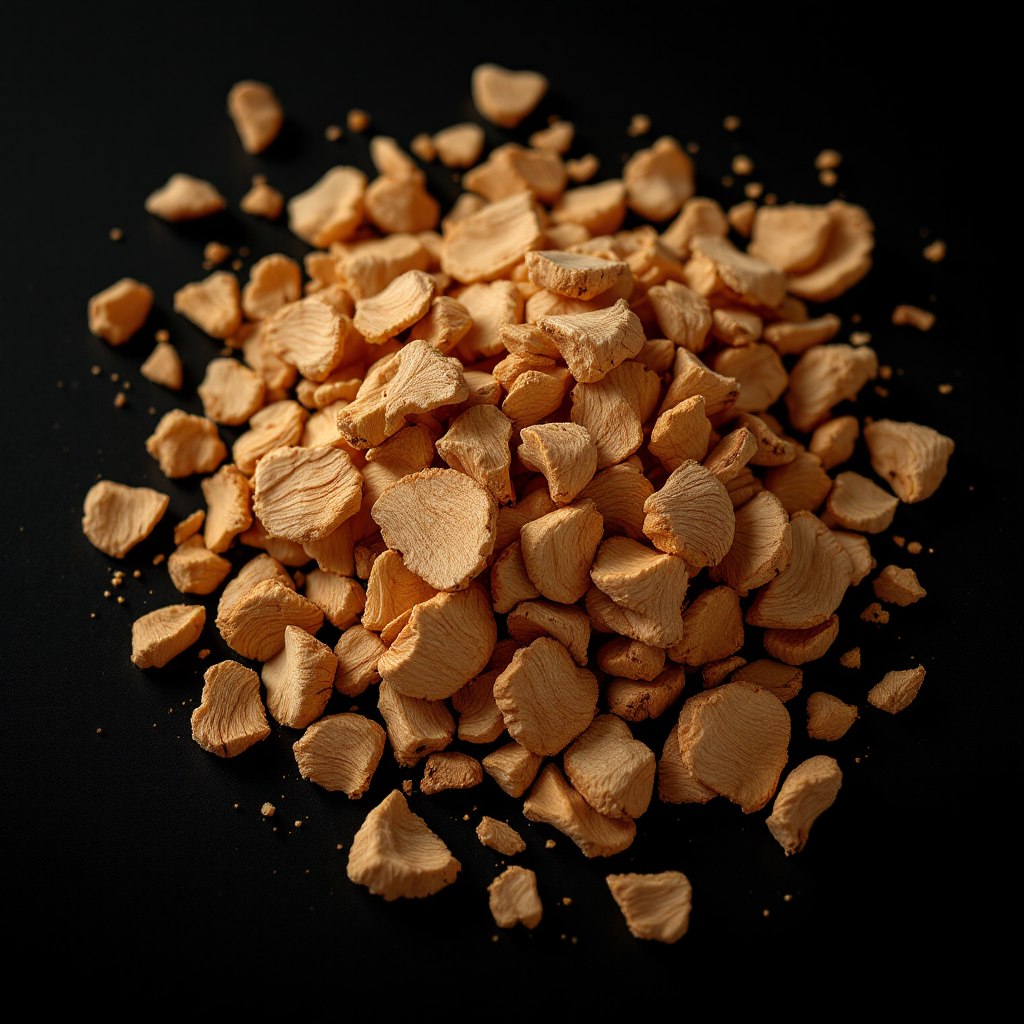
Steam distillation extracts vetiver oil from dried roots and rhizomes. The roots are harvested, cleaned, sun-dried, then distilled for 8-24 hours to yield a thick amber-brown oil.
Why is vetiver so expensive?
Vetiver oil yields only 0.5-2% from dried roots, and the roots must come from mature plants. This low yield, combined with labor-intensive harvesting, makes it one of the more costly natural base notes in perfumery.
How long has vetiver been used in perfumery?
Vetiver has ancient roots, with documented use dating to the Babylonian Empire around 1792-1750 BCE. In perfumery specifically, Arab peoples began distilling vetiver oil around the 12th century.
Does vetiver come from the leaves or roots?
Vetiver in perfumery comes exclusively from the roots and rhizomes, not the leaves. The plant's deep root system is what contains the aromatic compounds that steam distillation captures.
What fragrance families use vetiver?
Vetiver appears predominantly in woody, aromatic, and fougère fragrances. It serves as a powerful base note that provides longevity and depth in both masculine and gender-neutral compositions.
What makes Haitian vetiver different from Indonesian vetiver?
Haitian vetiver tends toward sweeter, smokier notes with prominent vanilla undertones. Indonesian vetiver typically presents a more medicinal, camphoraceous character with sharper earthy qualities.