Vegetal Amber
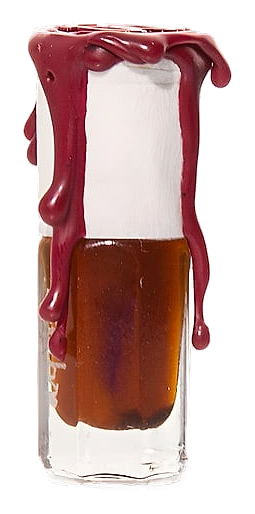
Vegetal amber reconstructs the warm, resinous character of traditional amber using plant-based materials and modern chemistry. This accord captures the golden depth once reserved for rare natural substances, making the signature warm-amber scent widely accessible to perfumers and fragrance enthusiasts.
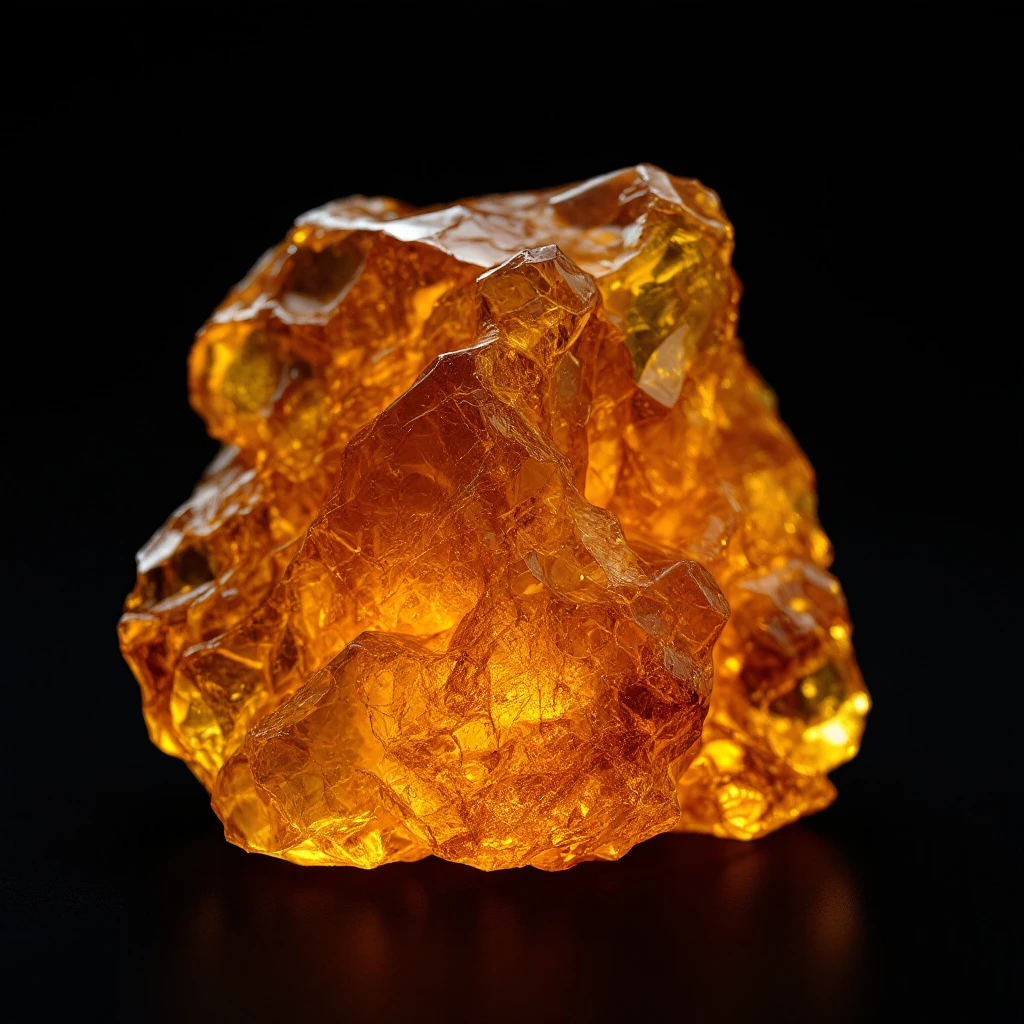
Character
How it smells
Warmth captured from ancient botanicals.
The modern amber accord emerged in the late 1800s when synthetic vanilla (vanillin) was first combined with natural resins, creating a scent profile that redefined perfumery.

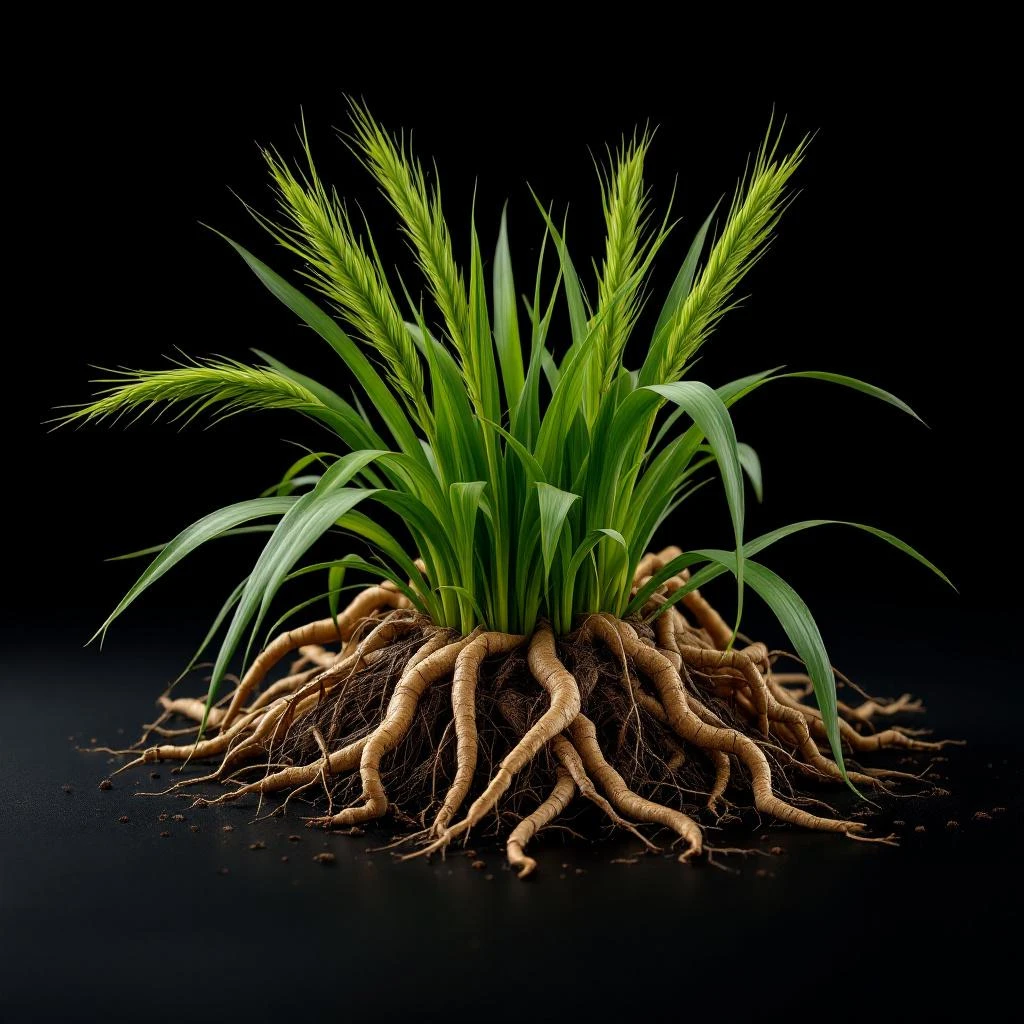
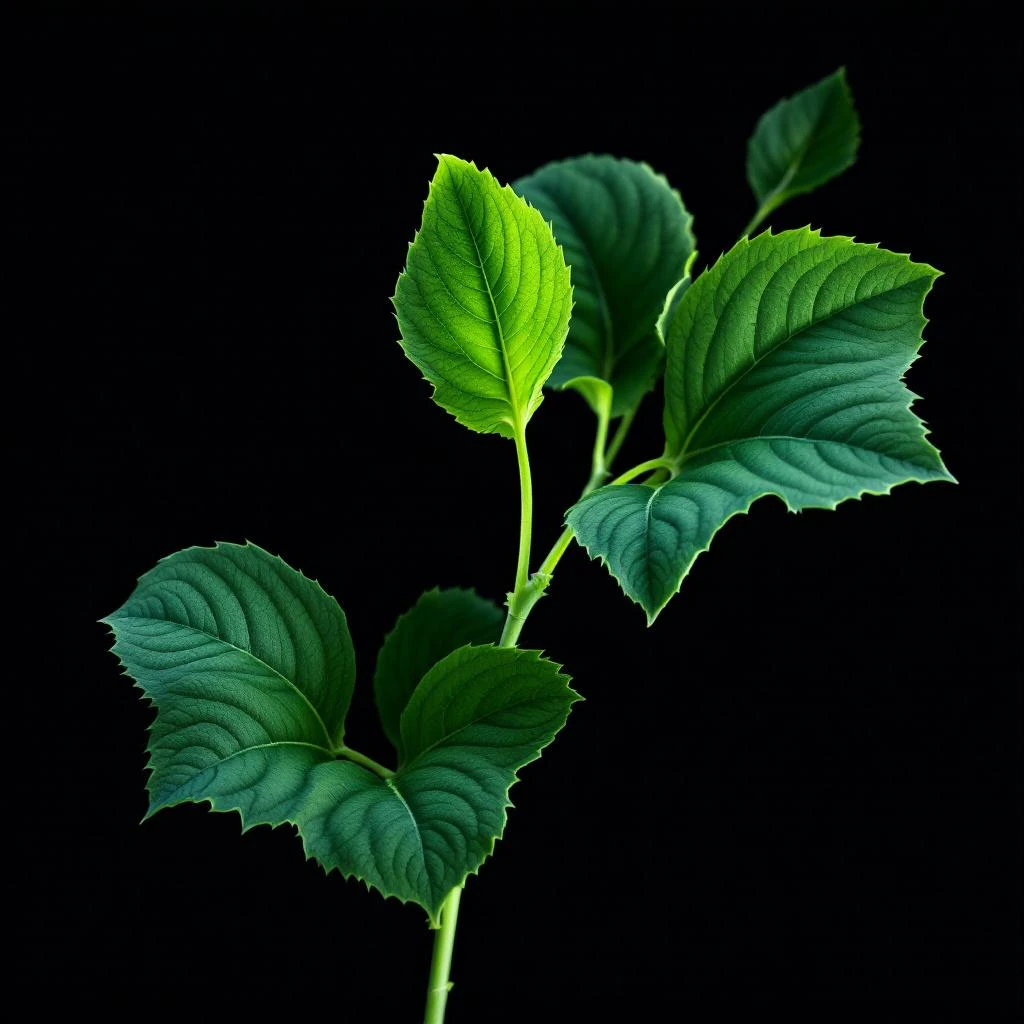



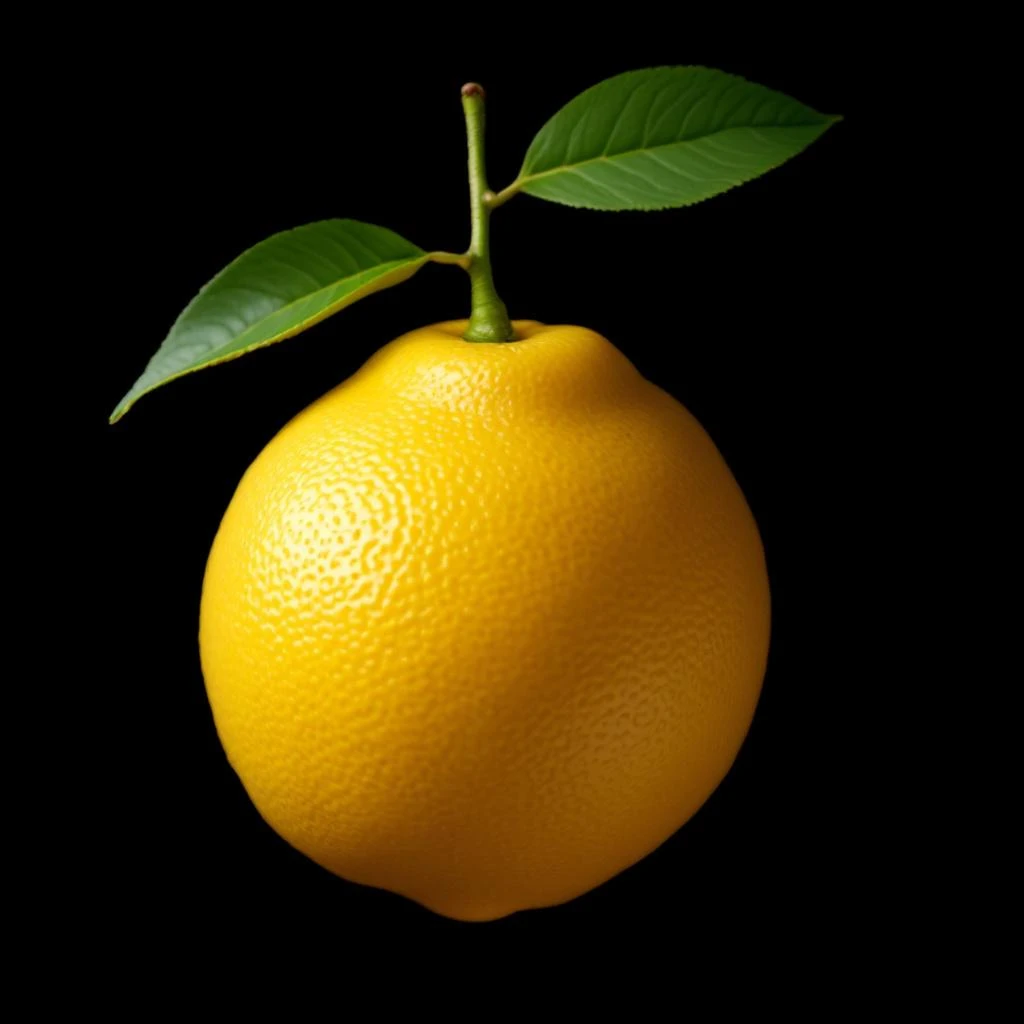

Origin
Mediterranean Region
True amber originates from fossilized tree resin, sometimes exceeding 100 million years old, found primarily along Baltic coastlines where ancient conifer forests once flourished. Ancient Egyptians burned amber as incense during funerary rites, believing it carried spiritual significance. Roman merchants valued amber highly enough to trade it alongside precious metals.
However, the substance remained scarce and expensive throughout history. In the late 1800s, the synthesis of vanillin changed everything. Chemists discovered they could combine this synthetic vanilla compound with natural resinous materials like labdanum and benzoin to create an amber accord that captured the warmth and depth of traditional amber without relying on limited natural supplies.
This innovation democratized the amber note, allowing perfumers to use it freely in compositions ranging from orientals to soft florals. The term vegetal amber emerged to distinguish this plant-based approach from ambergris, the animal-derived substance once used for similar purposes.
Wears it best
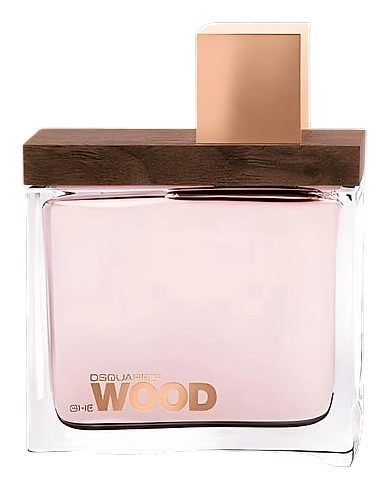
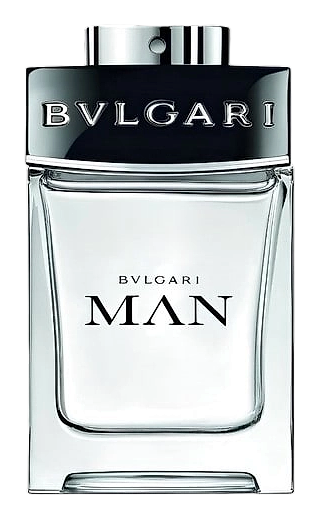
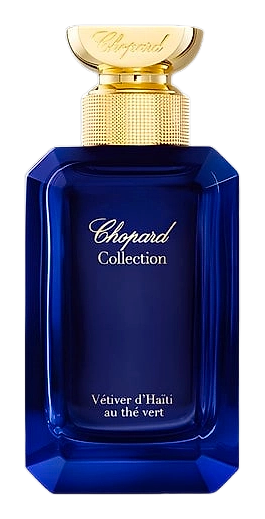
Fragrances featuring Vegetal Amber
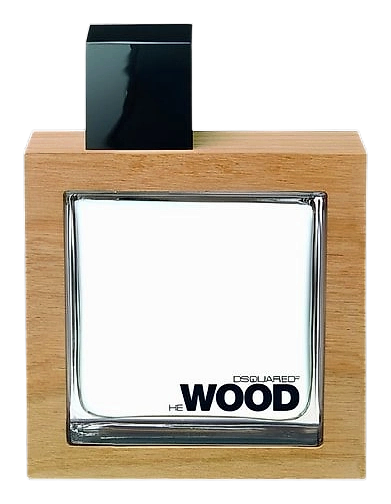
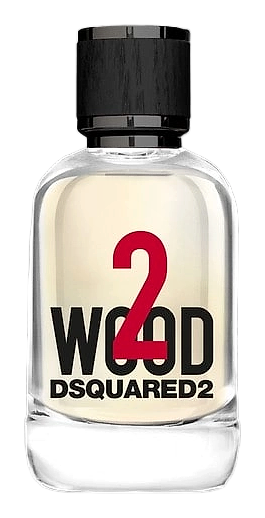
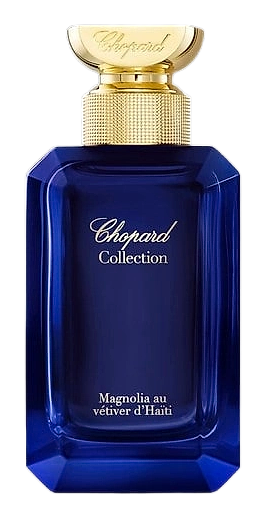
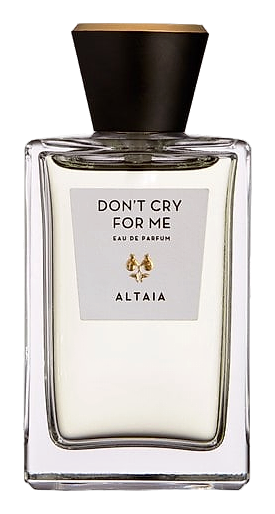
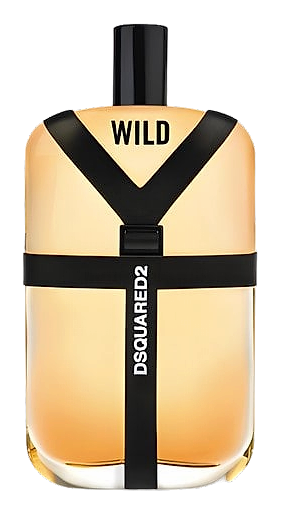
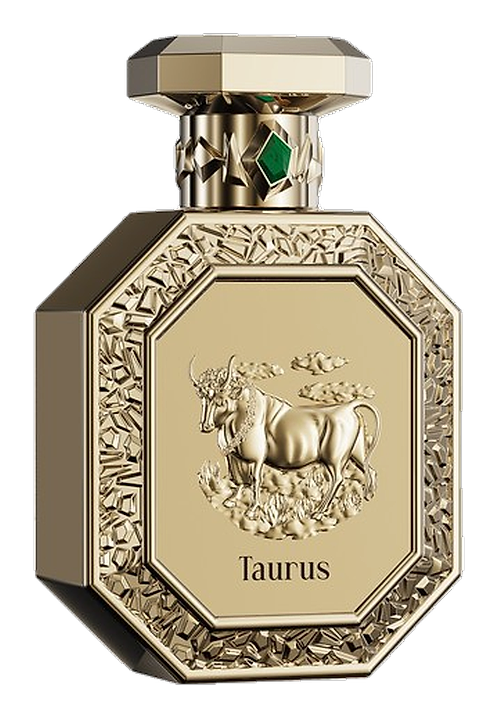
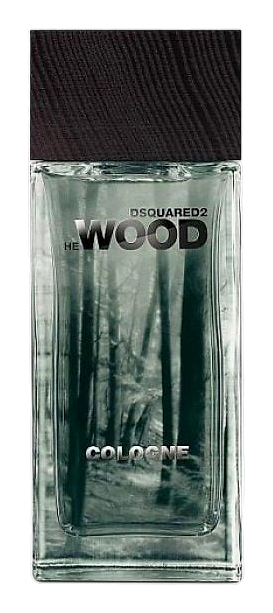
Brands
Brands known for Vegetal Amber
Good to know
Questions, answered
The essentials on Vegetal Amber in perfumery: how it smells, where it comes from, and how it behaves on skin.
What is vegetal amber?
Vegetal amber is a fragrance accord that recreates the warm, resinous character of traditional amber using plant-based materials like labdanum, benzoin, and vanilla combined with modern synthetic compounds.
How does vegetal amber differ from natural amber?
Natural amber refers to fossilized tree resin aged millions of years, while vegetal amber is a modern perfumery accord that mimics amber's characteristic warmth using available botanical and synthetic ingredients.
When did vegetal amber first appear in perfumery?
The vegetal amber accord emerged in the late 1800s following the invention of synthetic vanillin, which perfumers combined with natural resins to create an amber profile without relying on rare natural substances.
What ingredients compose vegetal amber?
Typical formulations combine labdanum absolute, benzoin resinoid, vanilla extract, and balsamic materials like tolu or peru balsam, often reinforced with synthetic molecules such as vanillin or coumarin.
Is vegetal amber vegan-friendly?
Yes. Unlike ambergris (derived from sperm whales), vegetal amber uses only plant-based materials and synthetics, making it suitable for vegan fragrance formulations.
What fragrances typically feature vegetal amber?
Vegetal amber appears widely in oriental fragrances, warm florals, and gourmand compositions. It adds depth and staying power to perfumes across many fragrance families.
Does vegetal amber smell the same as traditional amber?
Vegetal amber closely approximates the sensory profile of traditional amber, offering the same warm, resinous, slightly sweet character that defines classic amber fragrances.
Where does the botanical base of vegetal amber originate?
The primary botanical sources include Cistus shrubs from the Mediterranean region, Styrax trees from Southeast Asia, and vanilla orchids primarily cultivated in Madagascar and Mexico.