Vegetables
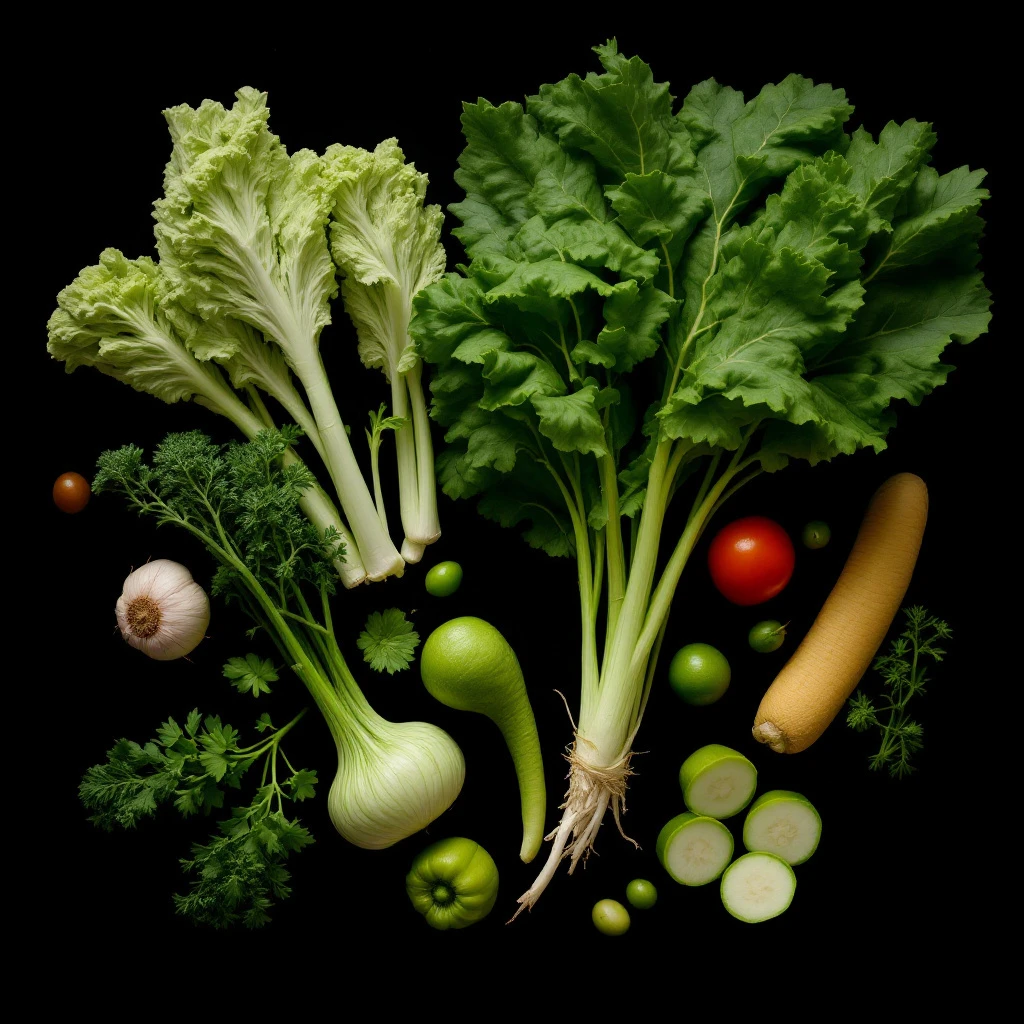
Vegetable-derived ingredients bring unexpected depth to fragrance, from earthy carrot seed to crisp cucumber. These unexpected materials add complexity and natural authenticity.
Character
How it smells
Unexpected freshness from the garden to the bottle
Carrot seed oil contains over 40 identified aroma compounds despite its simple origin, giving perfumers a complex palette to work with.








Origin
France
Perfumery's relationship with vegetables stretches back further than many realize. Ancient Egyptian perfumers used pressed cucumber juice in their preparations, while medieval European apothecaries valued carrot seed preparations for their aromatic properties.
The Apiaceae family, which includes carrots, celery, and parsnips, emerged as particularly valuable for fragrance work. Carrot seed oil became commercially significant in French perfumery during the early 20th century when Grasse distillers began offering it to fragrance houses.
Modern botanical research identified the specific compounds responsible for its characteristic warmth, confirming what traditional perfumers knew through centuries of trial. Today, vegetable-derived ingredients represent a niche but growing category as perfumers seek natural complexity.
Wears it best
Fragrances featuring Vegetables

Brands
Brands known for Vegetables
Good to know
Questions, answered
The essentials on Vegetables in perfumery: how it smells, where it comes from, and how it behaves on skin.
What vegetable ingredients appear in fine fragrances?
Carrot seed oil ranks as the most established, appearing in numerous fragrances for its warm, earthy base notes. Cucumber absolute, tomato leaf, and celery seed oil also see regular use. These ingredients typically appear in modest concentrations, lending authenticity rather than dominating compositions.
Does vegetable matter smell like vegetables in a fragrance?
Vegetable-derived fragrance ingredients rarely smell like their culinary counterparts. Carrot seed oil reads as earthy and woody rather than carroty. Celery seed oil provides a warm, amber-like quality. The extraction process transforms these materials into something entirely different from eating the vegetable.
Why do perfumers use vegetable ingredients?
Vegetables contribute what chemists call natural complexity. A single carrot seed oil contains dozens of identified aroma compounds, each present in trace amounts. This complexity is difficult to replicate synthetically and adds depth that becomes apparent in the dry-down of a fragrance.
Are vegetable fragrance ingredients sustainable?
Seed-based materials like carrot seed oil often derive from crops grown for food, with the seeds being a byproduct. This makes them relatively efficient compared to rare botanicals. However, quality depends heavily on cultivation practices and proper seed storage before distillation.
Which fragrance families use vegetable ingredients most?
Vegetable-derived materials appear most often in woody, aromatic, and chypre compositions. They bridge fresh top notes and deep base notes, adding an organic quality that reads as natural complexity. Niche and natural fragrance houses use these ingredients most prominently.
How is carrot seed oil different from carrot seed absolute?
Steam-distilled carrot seed oil contains primarily sesquiterpene compounds and reads warm, dry, and woody. Solvent-extracted absolute captures more polar molecules, offering richer, more complex aromatics with slight floral undertones. Both are valid perfumery materials with different applications.
Can I smell vegetable notes in any well-known fragrances?
Several landmark fragrances from the late 20th century incorporated carrot seed oil in their base compositions. The warm, earthy quality helps these fragrances develop over several hours of wear. Natural-focused fragrance houses have since made vegetable ingredients more central to their concepts.
Do vegetable ingredients cause skin reactions?
Carrot seed oil and celery seed oil contain naturally occurring compounds like limonene in low concentrations. Both have established safety records in cosmetic and perfumery applications at recommended dilutions. As with any natural material, patch testing remains advisable for sensitive skin.