Vanilla Glaze
Vanilla Glaze delivers a confectionery sweetness that feels baked rather than bottled, wrapping warm resinous depth with a sugared finish. A gourmand note that bridges dessert and sophistication.
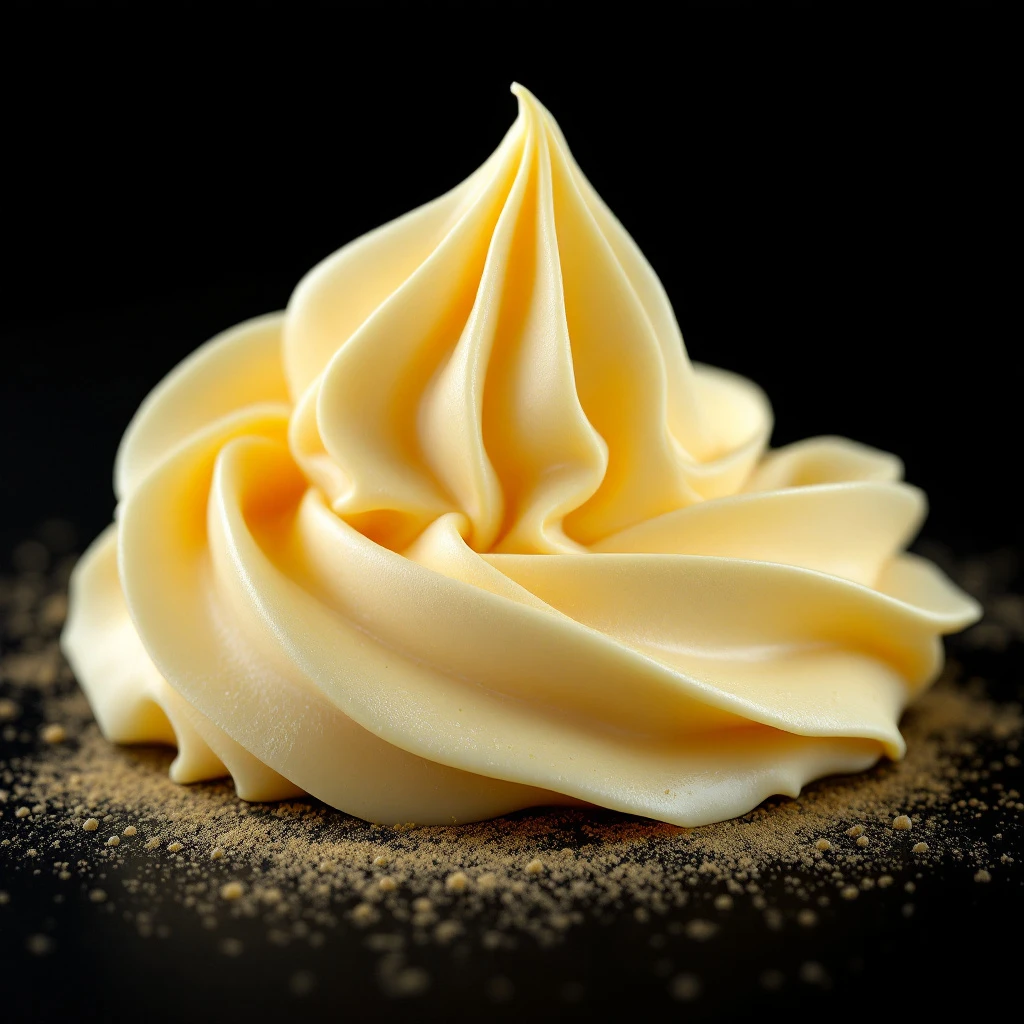
Character
How it smells
Sugared warmth with quiet depth
Vanilla comes from an orchid fruit, and the beans must be hand-pollinated outside Mexico, where its native pollinator bee does not survive.
Pairs beautifully with
Origin
Mexico
Vanilla entered European perfumery in the 16th century after Spanish conquistadors encountered it in Mesoamerica, where the Aztecs had long used Vanilla planifolia pods to fragrance cocoa drinks and ceremonial spaces. By the 1500s it had reached royal courts, appearing in perfumed gloves, sachets, and pomanders alongside amber and civet.
For two centuries Mexico held a near-monopoly, since the orchid's natural pollinator, the Melipona bee, exists only there. That changed in 1841 when Edmond Albius, a 12-year-old enslaved boy on Réunion, discovered a hand-pollination technique that opened cultivation to Madagascar, Tahiti, and beyond.
The molecule vanillin was first isolated in 1858, and by 1876 synthetic routes emerged, making vanilla one of perfumery's earliest lab-produced ingredients. Guerlain's Jicky (1889) is often credited as the first major fragrance to weave vanilla into a modern oriental structure, a blueprint still followed today.
Wears it best
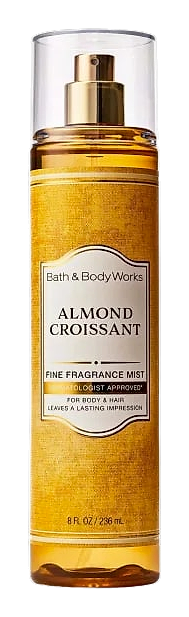
Fragrances featuring Vanilla Glaze
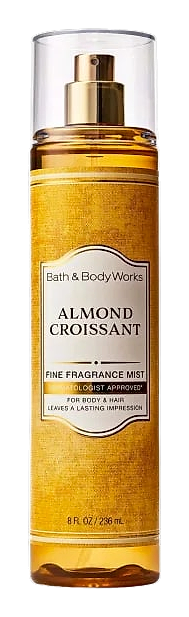
Brands
Brands known for Vanilla Glaze
Good to know
Questions, answered
The essentials on Vanilla Glaze in perfumery: how it smells, where it comes from, and how it behaves on skin.
What does Vanilla Glaze smell like in a fragrance?
Vanilla Glaze smells warm, sweet, and slightly balsamic, like sugar slowly browning. It carries creamy depth without the sharp alcohol note of pure vanillin, giving gourmand perfumes their soft, edible character.
Is Vanilla Glaze natural or synthetic?
It can be either, or a blend. Natural vanilla absolute comes from cured Vanilla planifolia pods, while most commercial Glaze accords combine it with synthetic vanillin or ethyl vanillin for consistency and cost.
Why is vanilla so expensive in perfumery?
Vanilla planifolia is the only orchid commercially grown for its fruit, and every flower must be hand-pollinated. Combined with a months-long curing process, this labor keeps natural vanilla absolute costly.
What is the difference between vanilla and vanillin?
Vanilla absolute contains hundreds of aromatic compounds, while vanillin is a single molecule first isolated in 1858. Vanillin provides the recognizable sweet note, but lacks vanilla's smoky, resinous, and animalic complexity.
When was vanilla first used in perfumery?
Vanilla reached European courts in the 16th century after Spanish explorers brought it from Mexico, where the Aztecs had used it in cocoa drinks. It appeared in perfumed gloves and sachets within decades.
What fragrance family does Vanilla Glaze belong to?
Vanilla Glaze sits within the oriental and gourmand families, acting as a base note and fixative. It anchors florals, spices, and woods, extending their longevity while adding confectionery sweetness.
Who first synthesized vanillin?
Vanillin was first isolated from vanilla pods in 1858. Synthetic routes emerged in 1874 from coniferin, and later from clove-derived eugenol, making vanillin one of perfumery's earliest synthetic aroma ingredients.
Can Vanilla Glaze cause skin sensitivity?
Vanilla absolute is generally well tolerated, but some people react to trace residues from solvent extraction. IFRA standards regulate coumarin levels in finished fragrances, which is worth checking for sensitive skin.





