Vanilla Bitters
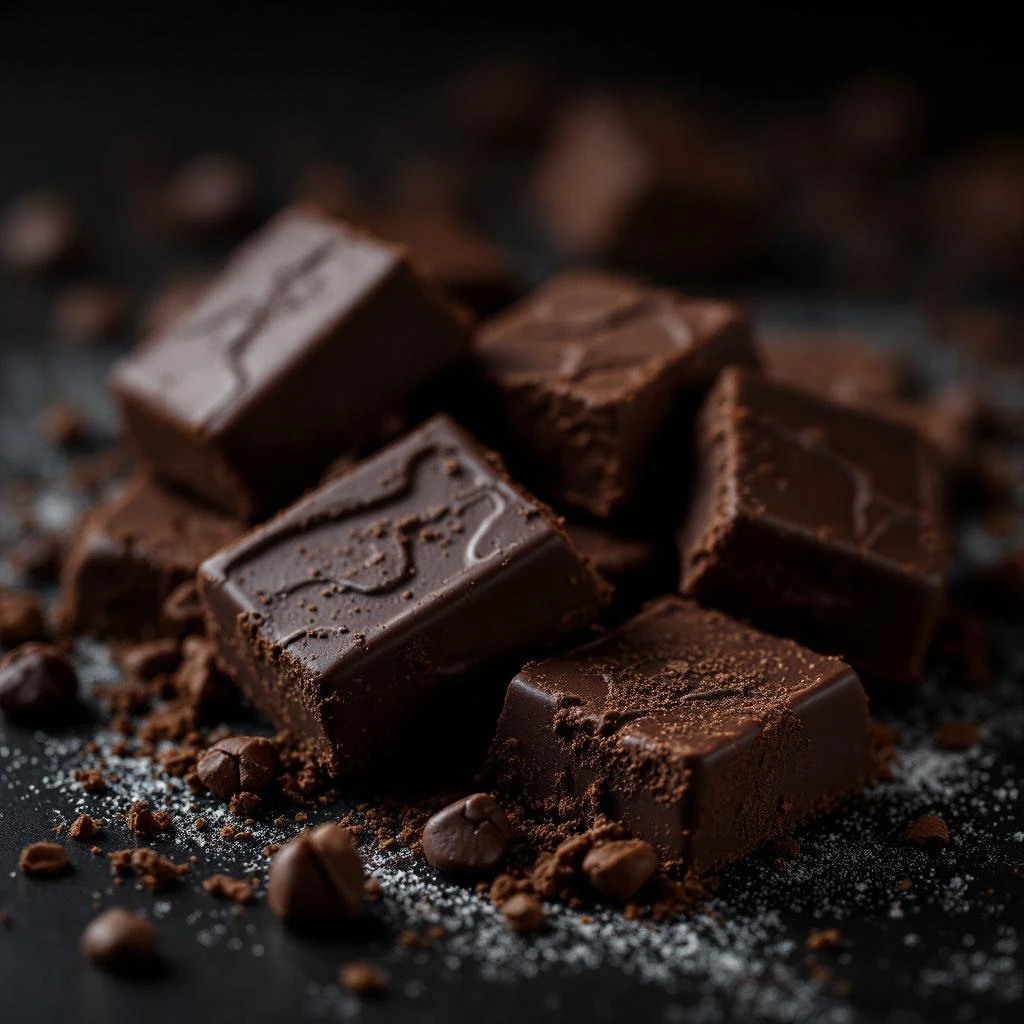
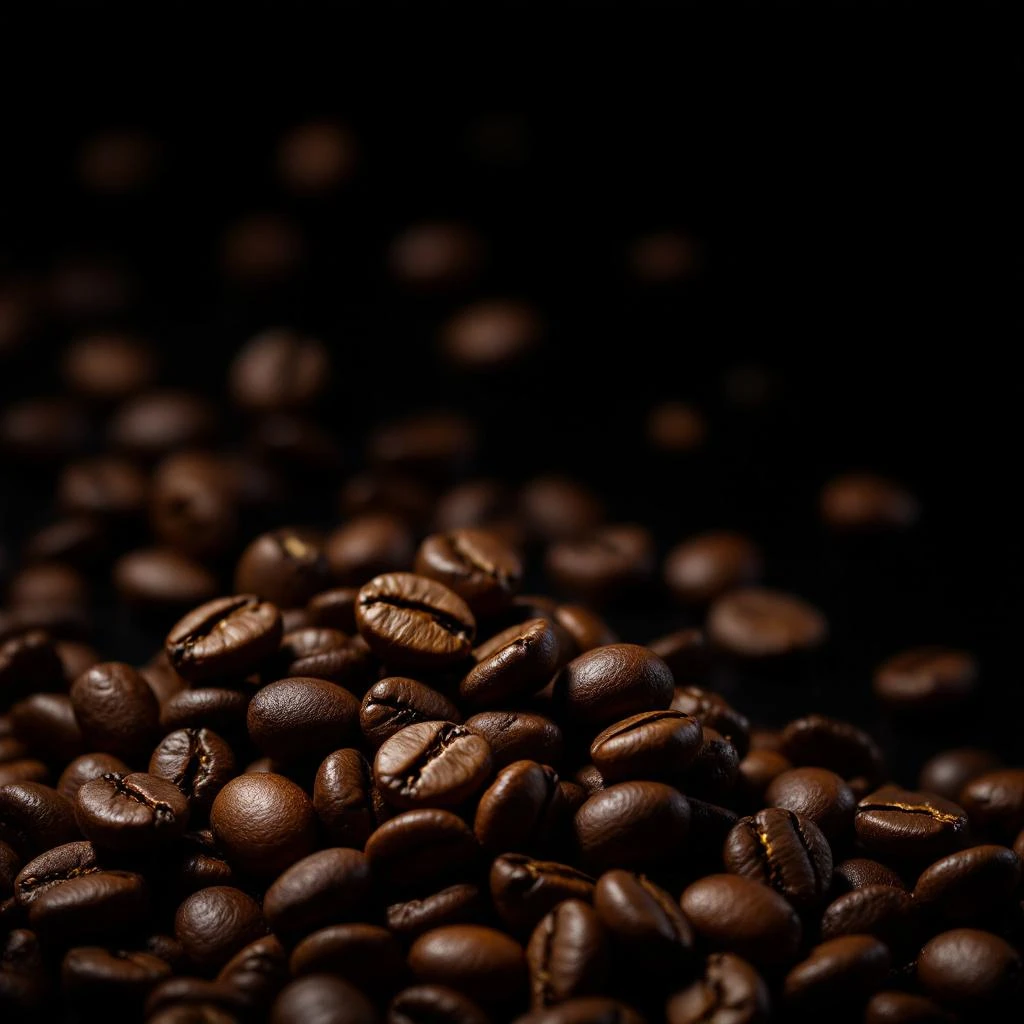
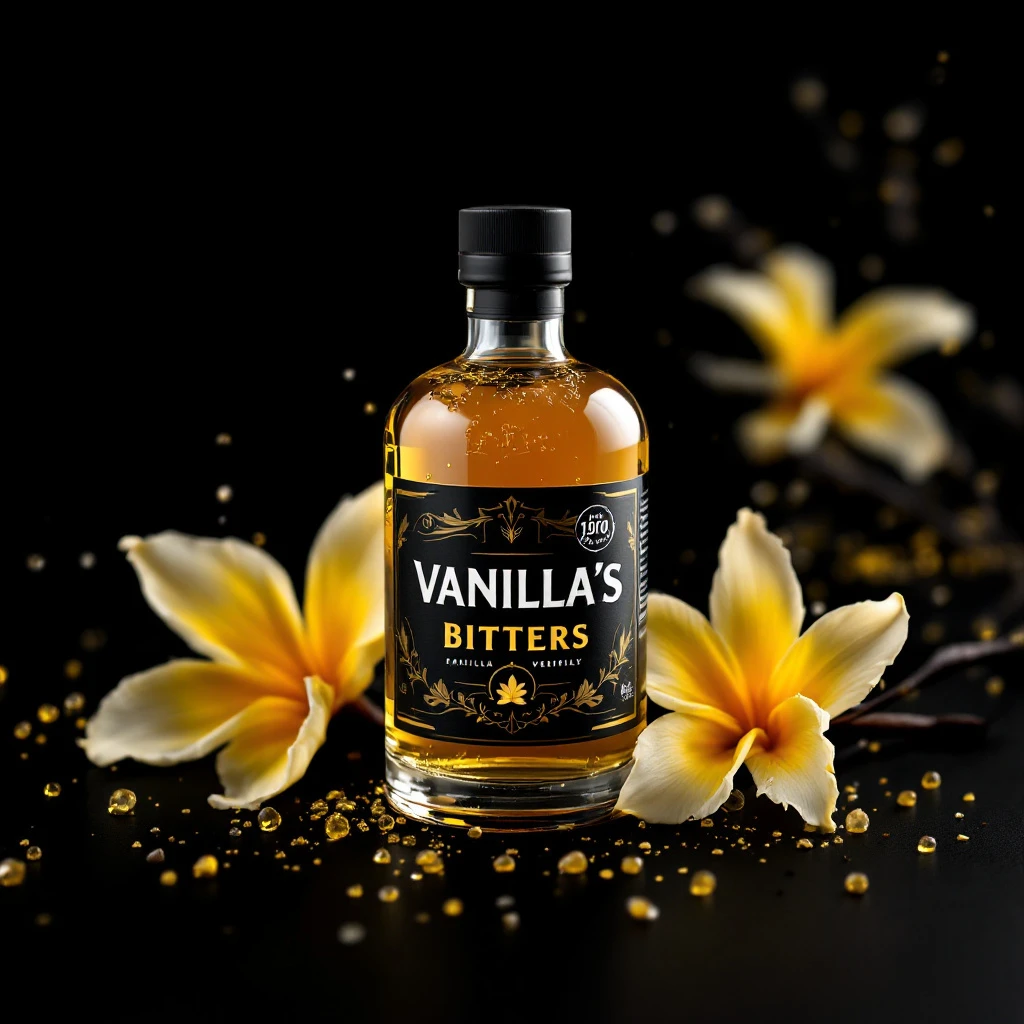
Vanilla Bitters captures the raw, resinous soul of the vanilla bean before sugar softens its edges. This tincture-forward material delivers a dark, almost medicinal sweetness that perfumers reach for when they need vanilla with teeth.
Character
How it smells
The untamed side of vanilla's sweet kingdom.
One vanilla flower must be hand-pollinated to produce a single pod. The plant rarely sets fruit without human intervention outside its native Mexico.
Pairs beautifully with



Origin
Mexico
Vanilla's journey from Aztec royalty to perfumery staple spans centuries. Mesoamerican civilizations prized vanilla as a luxury ingredient, combining it with cacao for elite beverages. Spanish colonizers brought it to Europe, where it remained rare until 19th-century cultivation methods improved.
The 1880s marked vanilla's formal entry into modern perfumery. Fougere Royale first employed vanillin in 1884, followed by Jicky in 1889, which paired synthetic vanillin with natural vanilla in a groundbreaking hybrid approach. The tropical orchid's slow maturation and hand-pollination requirements made it historically expensive, contributing to its prestigious status in fine fragrances.
Today, Madagascar produces over 80 percent of the world's vanilla, yet Mexican origins still carry cachet among perfumers seeking the plant's most complex expressions.
Wears it best
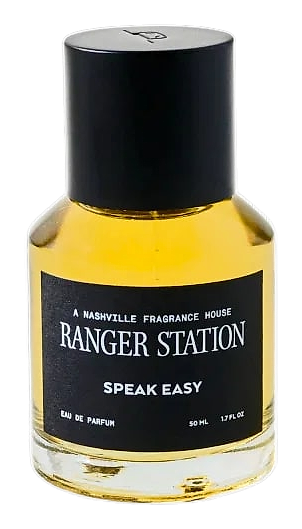
Fragrances featuring Vanilla Bitters
Brands
Brands known for Vanilla Bitters
Good to know
Questions, answered
The essentials on Vanilla Bitters in perfumery: how it smells, where it comes from, and how it behaves on skin.
What does Vanilla Bitters smell like?
Vanilla Bitters opens with a sharp, resinous sweetness followed by a dry, almost medicinal bitterness. The scent lacks the soft, dessert-like character of vanilla extract, instead offering a raw, grounding quality that anchors compositions rather than sweetening them.
How is Vanilla Bitters different from vanilla extract?
Standard vanilla extract uses gentle alcohol extraction and dilution for food use. Vanilla Bitters employs prolonged maceration to pull the bean's full aromatic range, including bitter compounds and resinous notes that more processed versions minimize.
Why is it called Bitters?
The name reflects its unrefined character. This material captures vanilla before any sweetening or smoothing treatment, retaining natural bitter and astringent qualities that mass-market vanilla materials lose during processing.
Where does vanilla for perfumery originate?
Modern cultivation spans tropical regions globally, though vanilla remains native to Mexico. Madagascar produces over 80 percent of the world's supply, followed by Indonesia, India, and Uganda. Mexican vanilla retains particular significance in perfumery circles.
How long does vanilla tincture take to produce?
Traditional tinctures macerate for several weeks to months. Extended contact between alcohol and dried beans extracts a broader aromatic profile than quick extraction methods allow, resulting in a more complex final material.
Can Vanilla Bitters replace vanillin in formulations?
Vanilla Bitters provides vanilla's aromatic character plus bitter and resinous notes that pure vanillin lacks. Perfumers often combine both materials to achieve a complete vanilla representation in a fragrance.
What fragrance families pair well with Vanilla Bitters?
Vanilla Bitters performs best in oriental and gourmand compositions where its anchoring quality supports sweeter elements. It also adds unexpected depth to tobacco, leather, and dark floral formulations.
Is Vanilla Bitters natural or synthetic?
The material is naturally derived through maceration of cured vanilla beans. Some producers supplement with naturally identical vanillin to standardize certain aromatic qualities across batches.