Turkish juniper berry
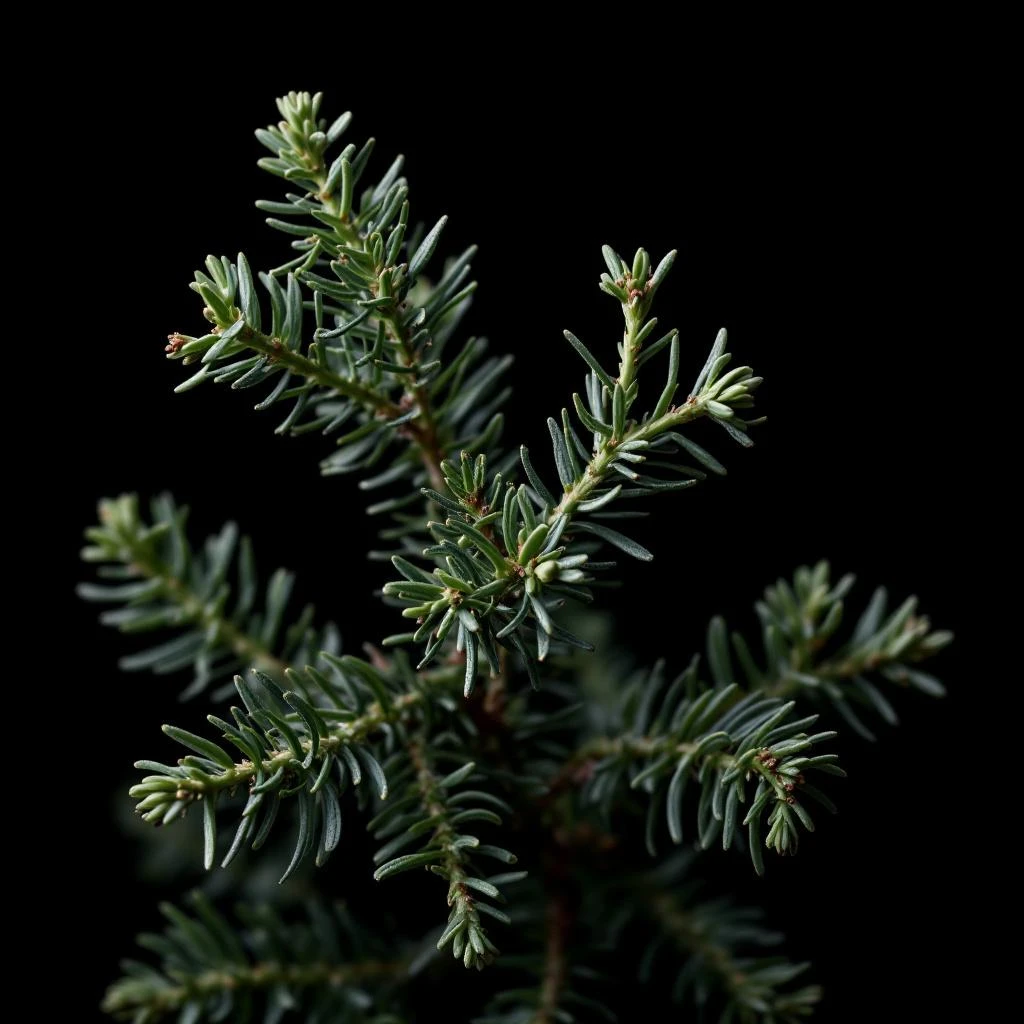
From slow-ripening blue seed cones of Juniperus communis, Turkish juniper berry delivers a sharp, resinous freshness that anchors masculine fragrances and gin-inspired compositions.
Character
How it smells
Sharp, piney, and bracingly fresh
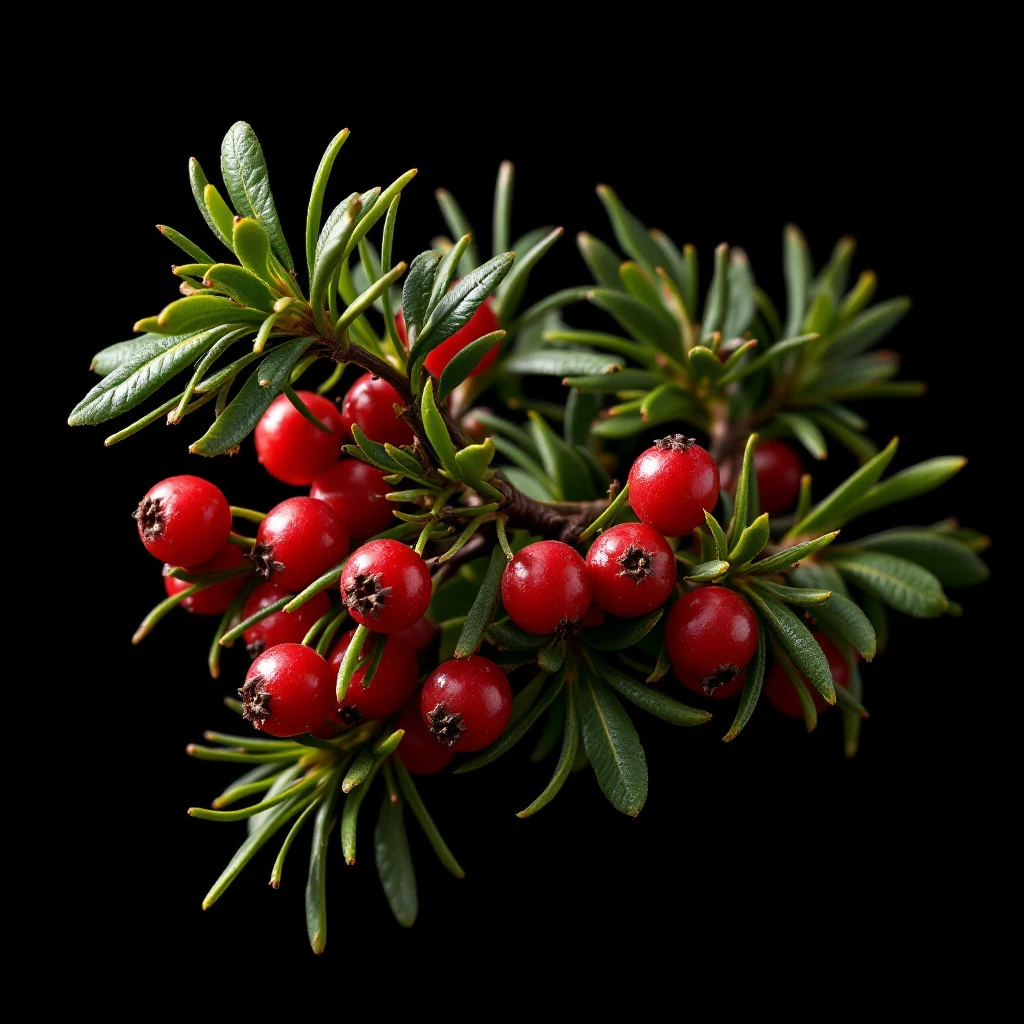
These are not true berries. Juniper 'berries' are technically fleshy seed cones that take three full years to ripen on the branch.




Origin
Turkey
Juniper holds ancient roots across Anatolia and the broader Near East, where communities have harvested the berry for thousands of years. Ancient texts describe juniper in medicinal preparations and ritual contexts throughout the Ottoman Empire's territories.
Turkish communities traditionally used the berries in culinary applications and folk remedies long before perfumers adopted the ingredient. The ingredient's modern fragrance identity traces to 17th century Holland, where distillers first created gin by flavoring spirit with juniper berry, creating a flavor that would eventually influence perfume compositions.
The gin connection gave juniper berry its unmistakable masculine attribution in perfumery. Turkey's juniper forests, particularly those in highland regions of central and eastern Anatolia, have supplied the fragrance industry for decades, with production scaling up significantly as global demand for natural aromatics increased through the late 20th century.
Wears it best
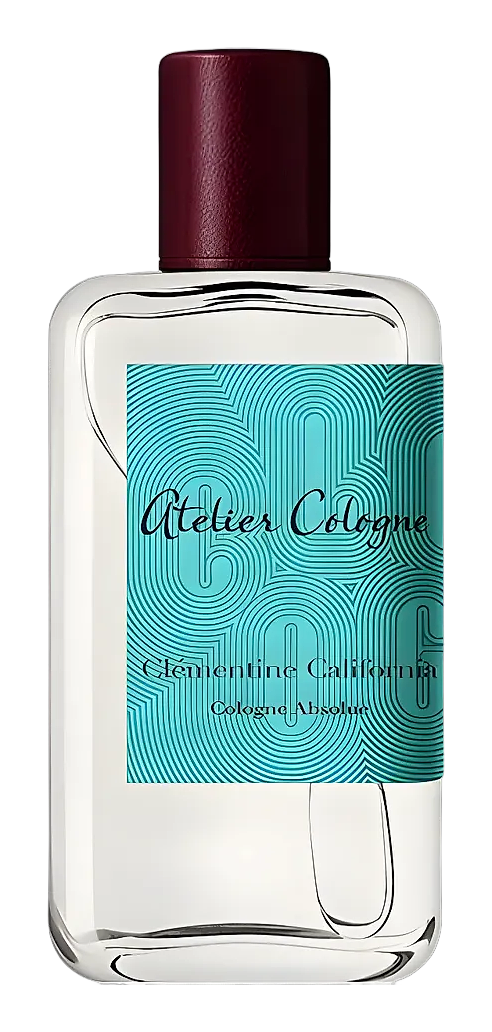
Fragrances featuring Turkish juniper berry
Brands
Brands known for Turkish juniper berry
Good to know
Questions, answered
The essentials on Turkish juniper berry in perfumery: how it smells, where it comes from, and how it behaves on skin.
What does Turkish juniper berry smell like?
Turkish juniper berry oil has a sharp, fresh, pine-like scent with resinous undertones. It carries a distinctive bracing quality that many compare to gin, with subtle fruity and slightly bitter facets. The composition varies based on harvest region and berry maturity.
How long does it take juniper berries to ripen?
Juniper berries require three full years to fully ripen on the branch. This slow maturation allows aromatic compounds to accumulate, resulting in berries with complex scent profiles that steam distillation effectively captures.
Why is Turkey significant for juniper berry production?
Turkey has become a major juniper berry oil producer due to extensive Juniperus communis forests across Anatolia's mountain regions. The country's diverse altitudes and climates produce berries with distinctive compositional profiles that fragrance manufacturers value.
What extraction method produces juniper berry oil?
Steam distillation is the standard method. Distillers crush dried berries and pass live steam through the material, vaporizing aromatic compounds that condense into oil. This technique preserves delicate fragrance molecules without solvent residues.
Are juniper berries actually berries?
Botanically, juniper 'berries' are fleshy seed cones of the Juniperus communis evergreen. This classification places juniper in the Cupressaceae family alongside cypress and cedar. The cones resemble true berries in appearance and texture.
Which perfumes commonly feature juniper berry?
Juniper berry appears frequently in masculine fragrances and aromatic fougère compositions. It also shows up in gin-inspired unisex perfumes. The ingredient provides a fresh, sharp opening note that balances herbal and coniferous characteristics.
Does juniper berry oil composition vary by origin?
Research confirms juniper essential oil composition shifts based on plant age and geographic origin. Altitude, soil conditions, and regional climate all influence the balance of aromatic compounds in the resulting oil.
Can juniper berry be synthesized rather than extracted?
Synthetic alternatives exist for certain juniper aromatic compounds. However, natural steam-distilled juniper berry oil remains preferred in fine fragrance for its complexity and authenticity. Synthetics typically lack the full range of trace compounds found in natural extracts.