Provençal cypress
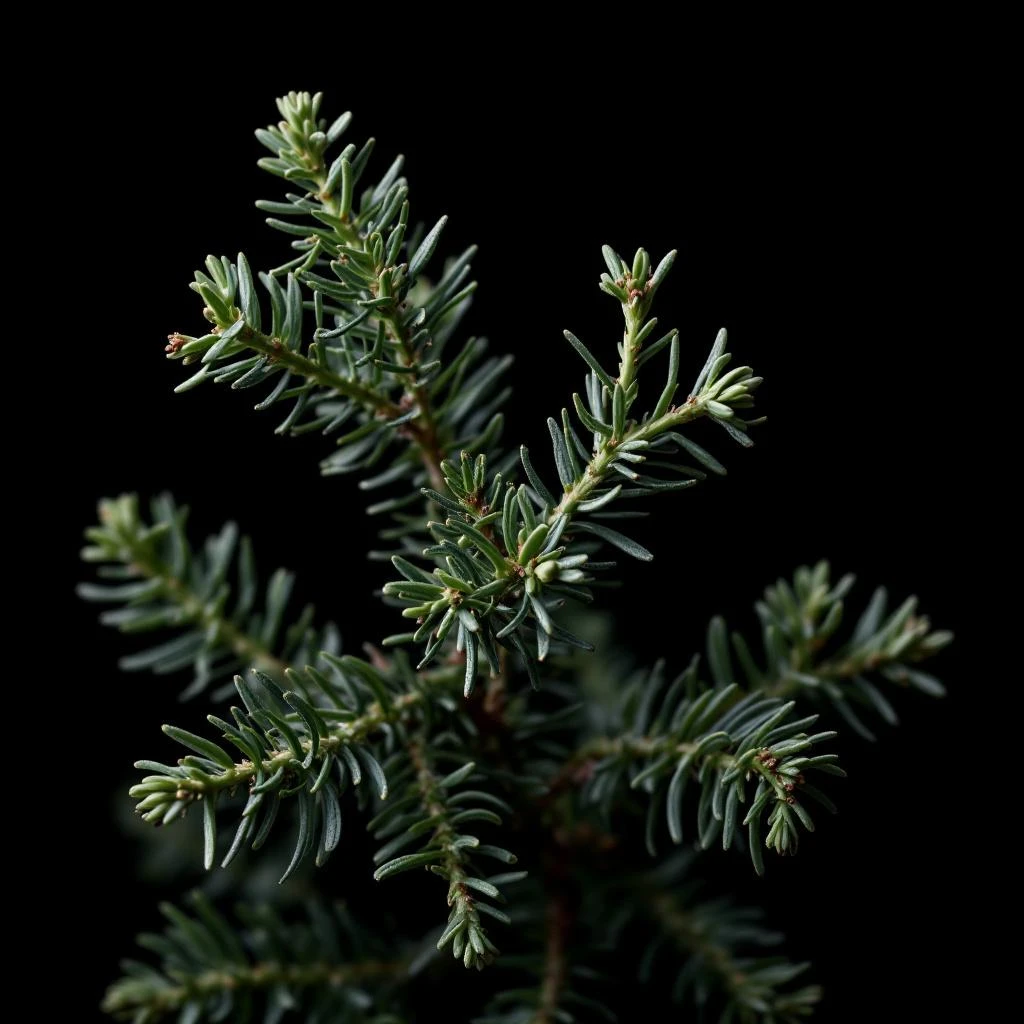
Tall, columnar, and deeply aromatic, Provençal cypress (Cupressus sempervirens) has shaped Mediterranean landscapes and fine perfumery for centuries. Its leaves yield a crisp, coniferous essential oil prized for its dry, resinous freshness.
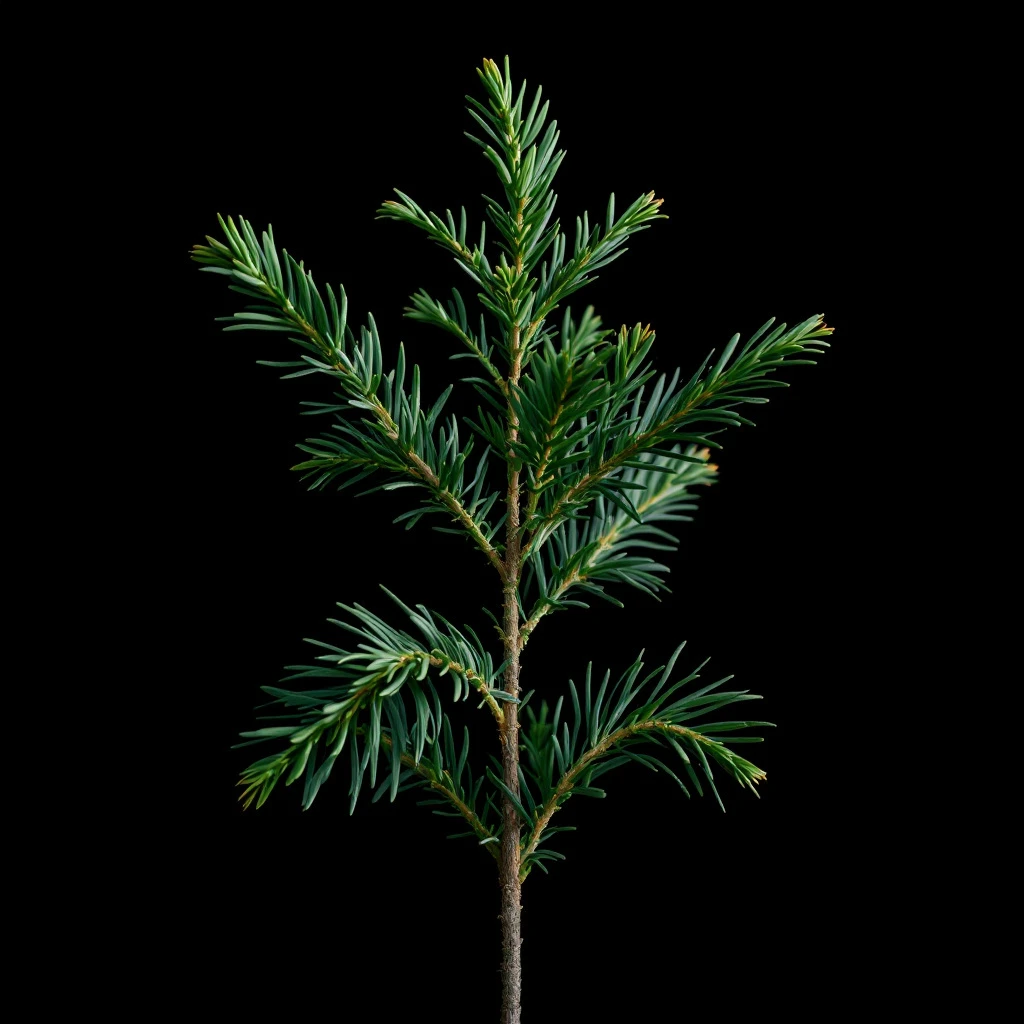
Character
How it smells
Tall, dry, and unmistakably Mediterranean.
Catherine de Médicis brought Italian perfumery knowledge to France when she married Henry II in 1533, planting the seeds of the Grasse industry we know today.



Origin
France
Cupressus sempervirens arrived in the Mediterranean basin from Persia long before the rise of ancient Greece. The Greeks and Romans both prized cypress for ritual purposes, using its oil in sacred contexts and as a refined aromatic. The wood's resistance to decay reinforced its association with eternity, embedding the tree into funerary and spiritual traditions that persisted through the medieval period.
Grasse, nestled in the hills above the Côte d'Azur, had been processing aromatic botanicals since at least the Renaissance, originally focused on leather-tanning and medicinal preparations. The turning point came in the sixteenth century when Catherine de Médicis married King Henry II of France, crossing the Alps with Italian perfumery knowledge in tow. Under her influence and that of her successors, Grasse shifted decisively toward luxury fragrance production.
Cypress cultivation suited the regional terroir perfectly, and its essential oil became a staple in the formulation of masculine and unisex fragrances requiring a dry, woody backbone. Today, Provençal cypress remains a marker of authenticity in classical perfumery, representing a direct link between ancient Mediterranean tradition and modern French craftsmanship.
Wears it best
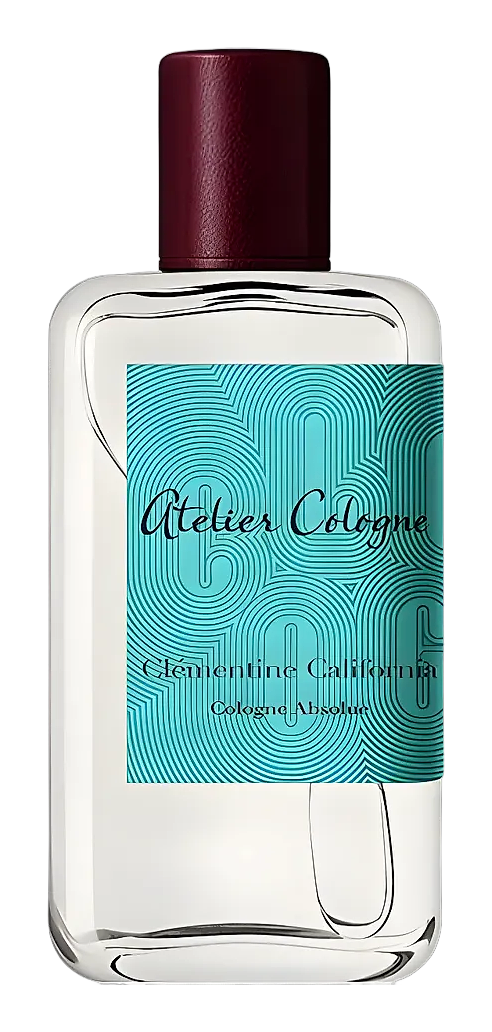
Fragrances featuring Provençal cypress
Brands
Brands known for Provençal cypress
Good to know
Questions, answered
The essentials on Provençal cypress in perfumery: how it smells, where it comes from, and how it behaves on skin.
What does Provençal cypress smell like?
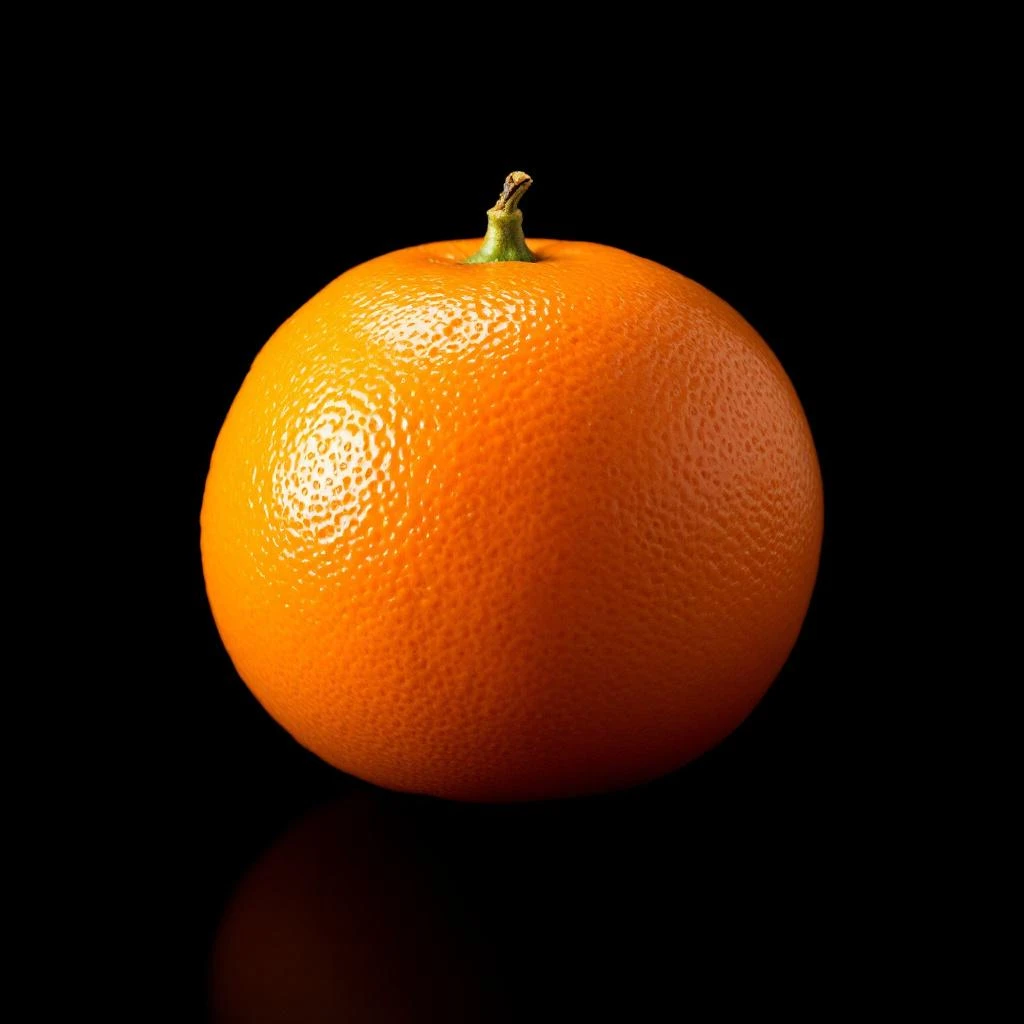
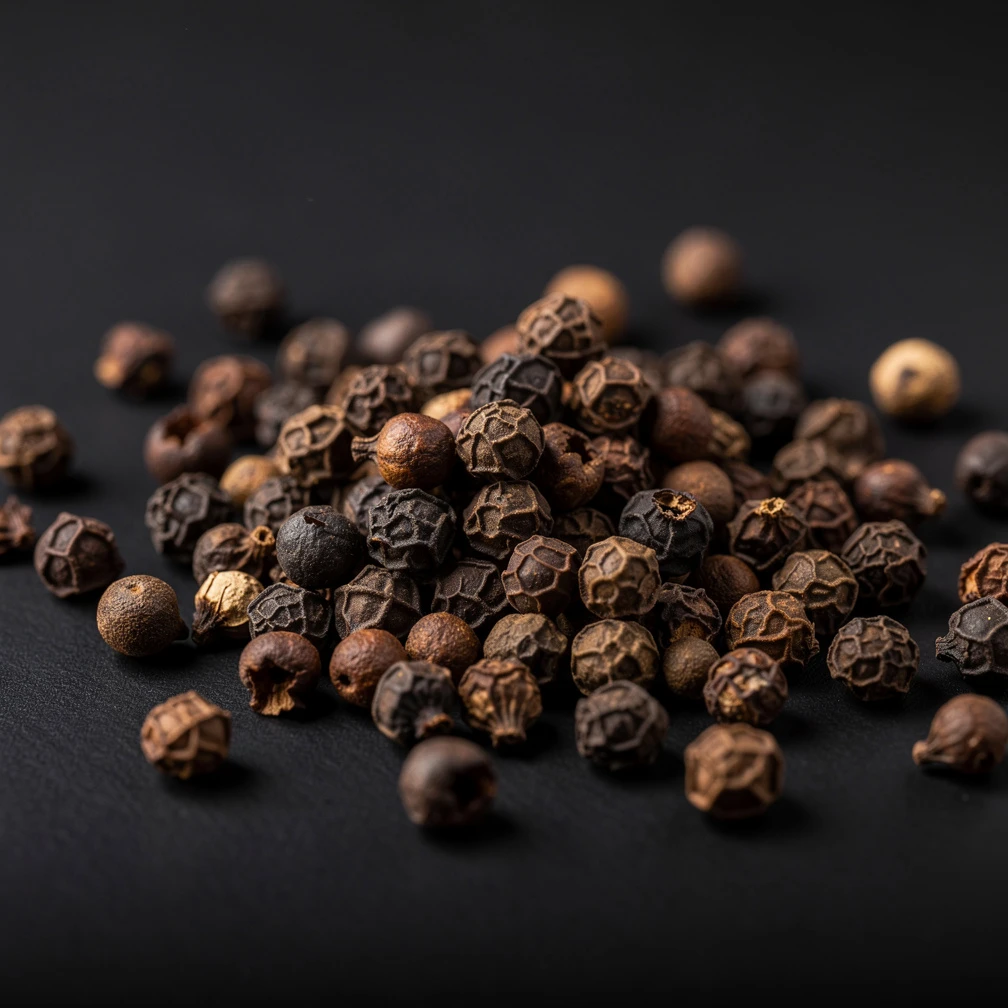
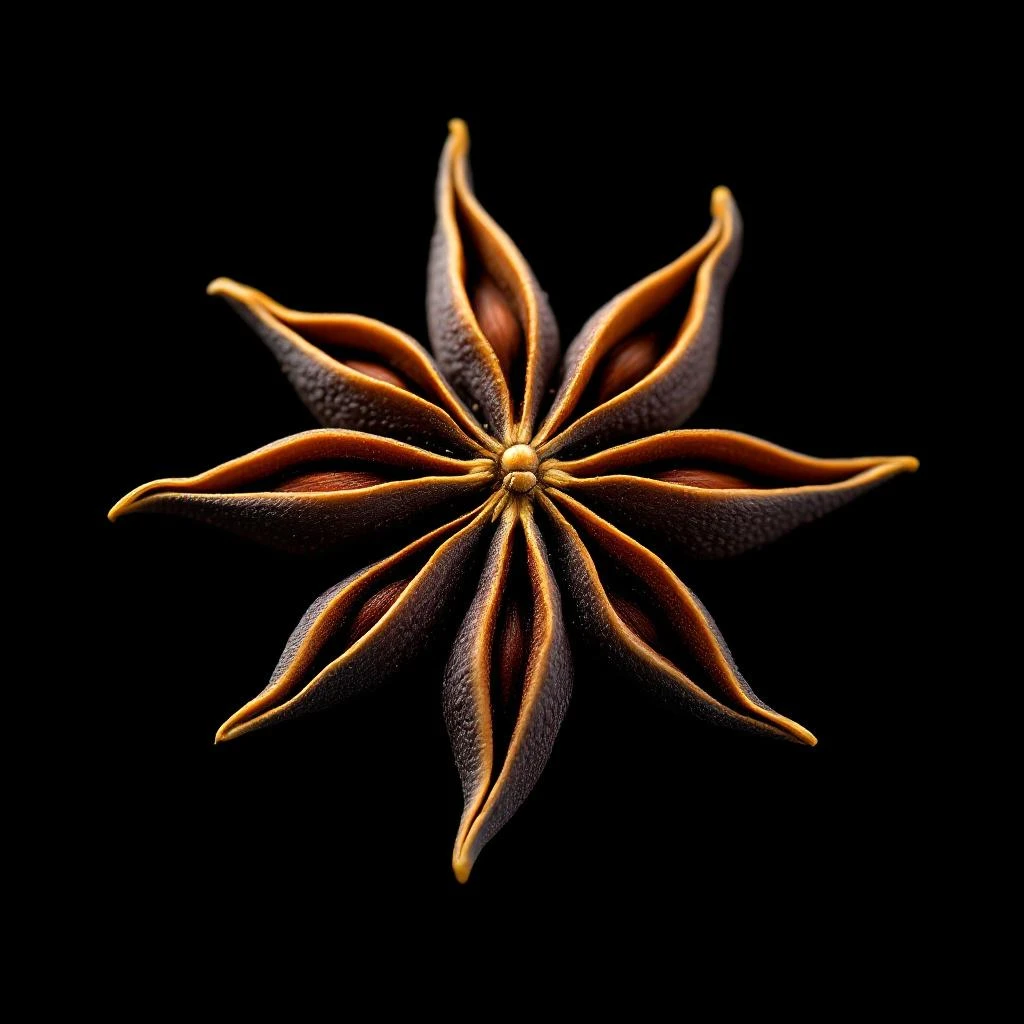
Provençal cypress smells fresh, woody, and dry with a sharp coniferous quality. The leaf oil carries subtle resinous and faintly citrus undertones that give it remarkable versatility in masculine and aromatic fragrance compositions.
Why is Provençal cypress significant in perfumery?
The terroir around Grasse, where limestone plains and mistral winds stress the foliage, produces cypress oil with a uniquely concentrated aromatic profile. This regional specificity makes it a sought-after ingredient in fine fragrance.
How is cypress oil extracted?
Steam distillation of fresh cypress foliage yields the essential oil. Steam passes through the plant material, carrying volatile compounds into a condenser where the mixture separates into aromatic oil and hydrosol.
What compounds define cypress leaf oil's scent?
The oil is dominated by monoterpenes like alpha-pinene and delta-3-carene, which deliver the sharp, fresh-conifer character. Minor sesquiterpenes add depth and resinous warmth to the overall profile.
How has cypress been used historically?
Ancient Greeks and Romans employed cypress in ritual and funerary contexts, valuing its aromatic and symbolic associations with eternity. The tree's naturally rectangular growth form and resistance to decay reinforced its sacred status.
What distinguishes cypress from cedar in perfumery?
Cypress and cedar belong to entirely different botanical genera. Cypress leaf oil is extracted from foliage via steam distillation, while cedarwood oil typically comes from heartwood. Their scent profiles differ accordingly.
Which historical figure helped establish French perfumery?
Catherine de Médicis carried Italian perfumery knowledge to France when she married King Henry II in 1533. Her patronage proved foundational to the rise of the Grasse fragrance industry.
Can cypress oil be blended with other ingredients?
Cypress oil pairs well with bergamot, lavender, clary sage, and vetiver. Its dry, woody character anchors fresh citrus top notes and adds structure to complex fragrance constructions.